
Medacure
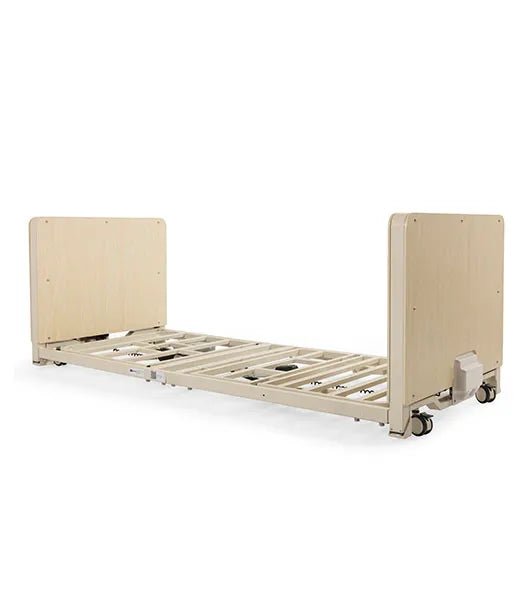
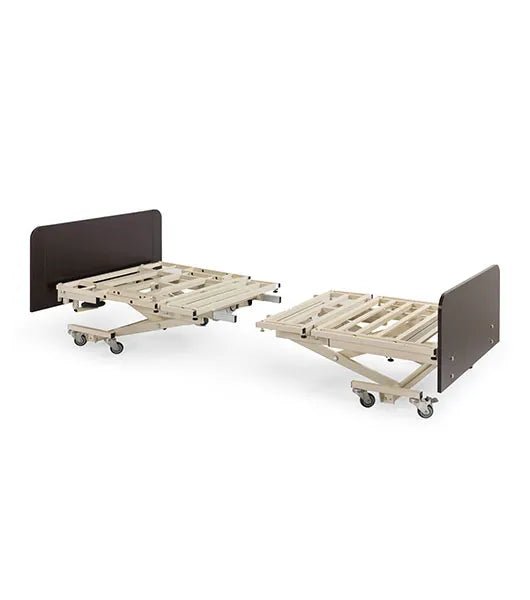
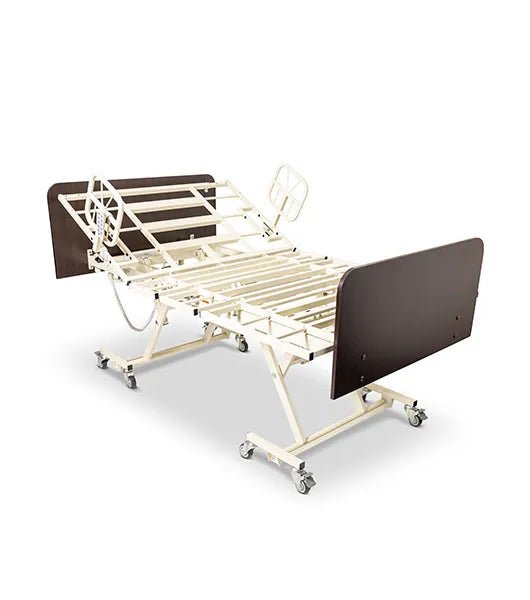
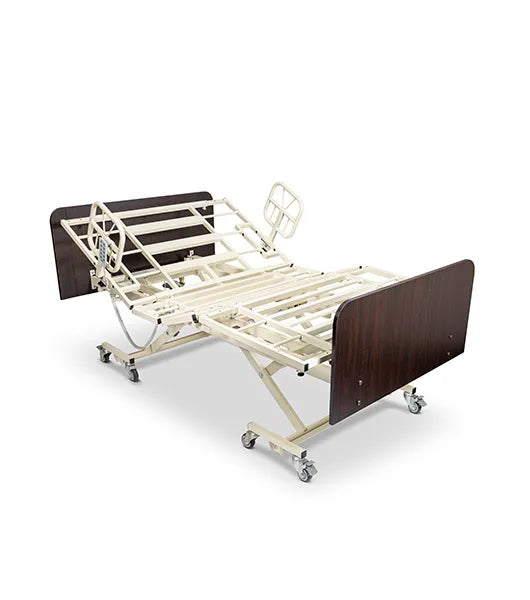
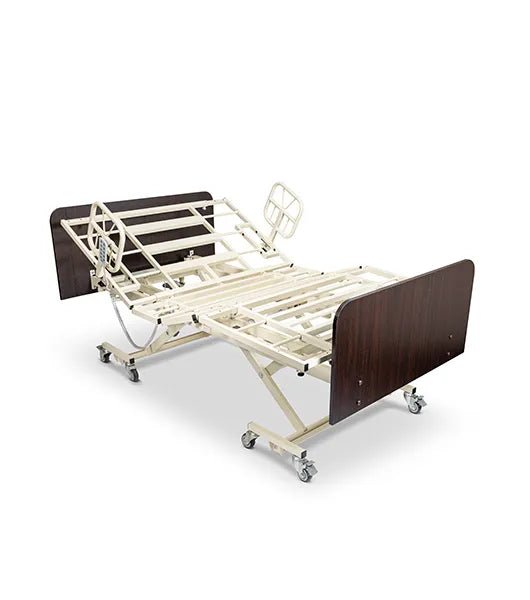
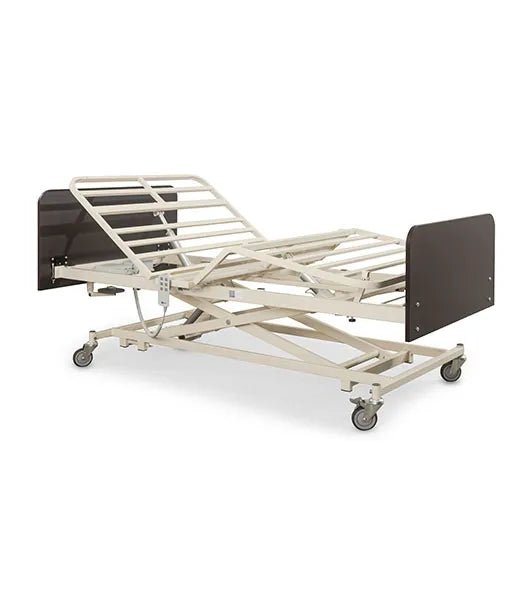
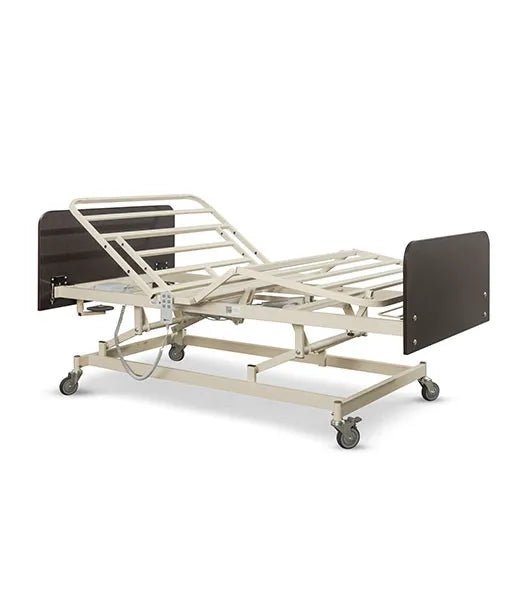
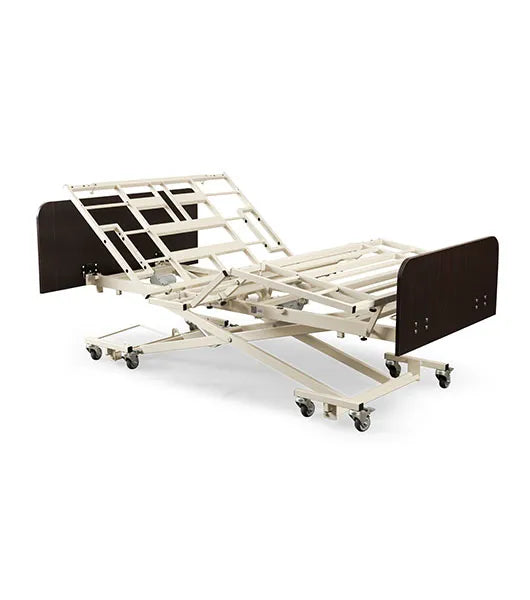
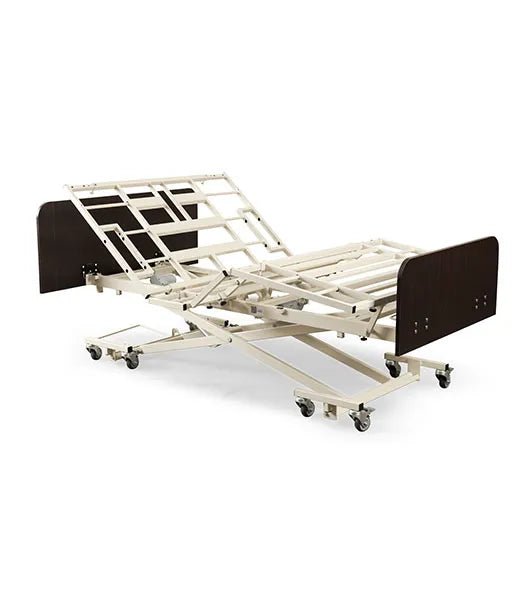
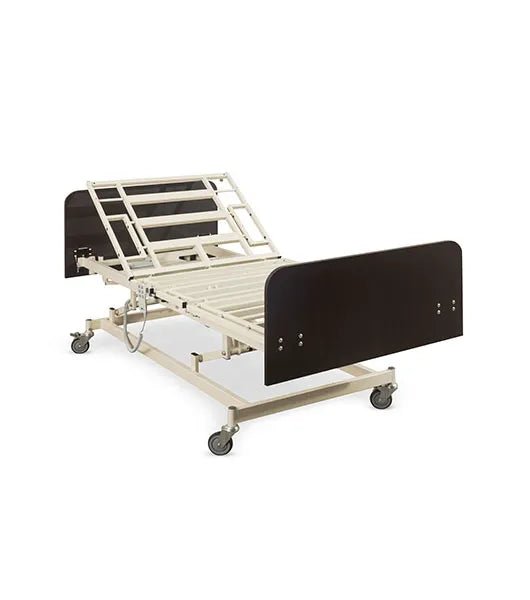
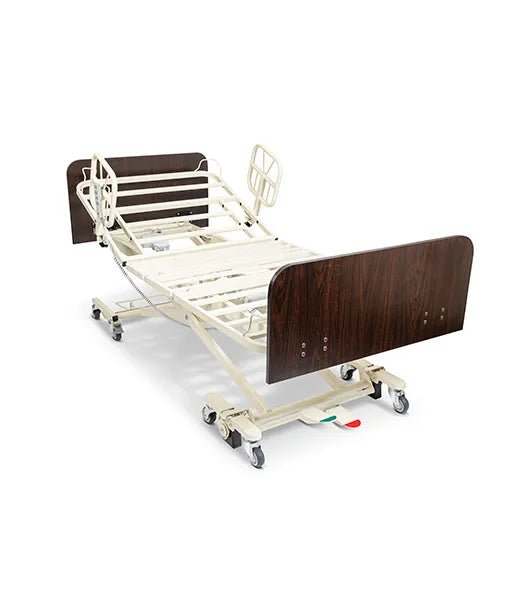
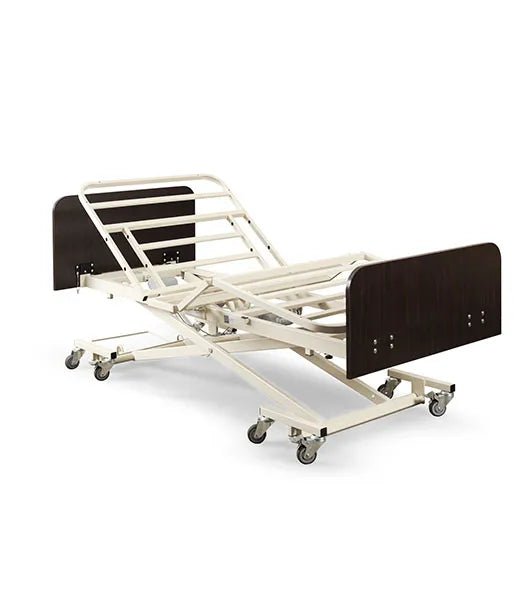
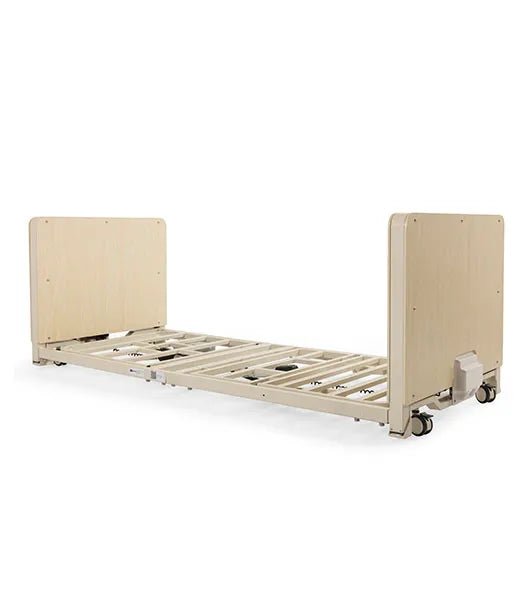
Medacure ULB3.9-42 | Ultra-Low 42″ Bed | Long Term Care Bed Frame | Custom Finish & Rail Options
From $1,319.99
Is the person you're caring for spending more time in bed than out of it, and you're wondering whether a regular bed is putting both of you at risk? That's the question that sends most families toward home hospital beds in the first place. These beds aren't just for facilities. More and more, they're going into living rooms and converted guest spaces where someone needs positioning support, fall protection, and a safer height for transfers.
A standard mattress sits too low and too flat for anyone who struggles to sit up, reposition, or get in and out safely. Home hospital beds fix that. Adjustable head and foot sections take pressure off the lower back and make eating, reading, or breathing easier for someone who's bedbound for long stretches.
The height adjustment matters more than people expect. Raising the deck to a caregiver's waist level saves your back on every single transfer, and over months that adds up. Side rails add a layer of fall protection, though they're not a restraint and shouldn't be treated like one.
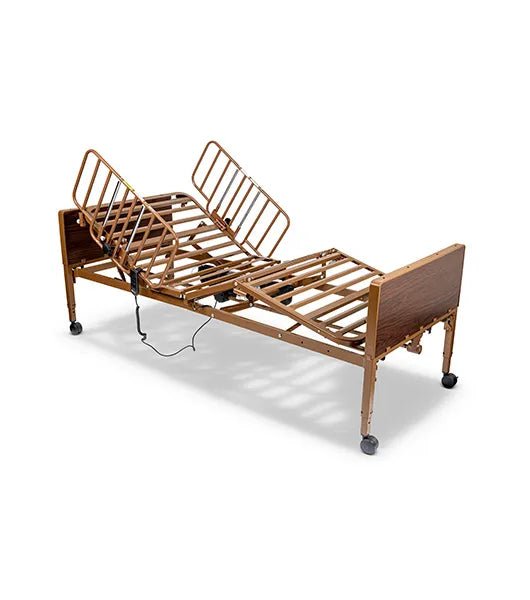
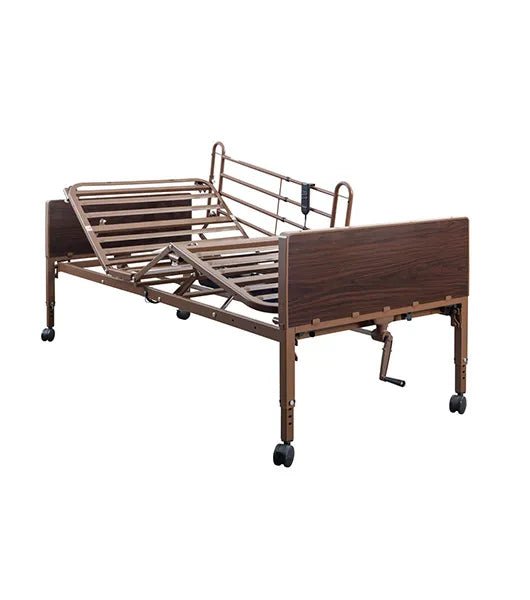
Home hospital beds generally fall into a few buckets. Manual beds use hand cranks for height and positioning. Semi-electric models power the head and foot but leave height on a crank. Full-electric beds run everything off a hand control, and for a caregiver doing multiple adjustments a day, that's the one I'd point you toward.
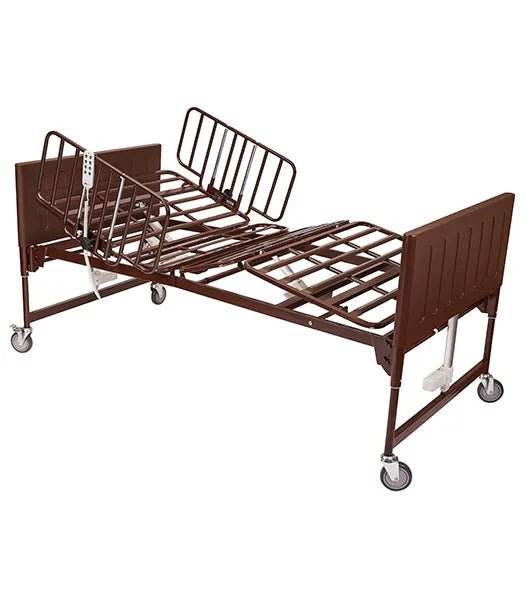
Our home hospital bed lineup is Medacure semi-electric and full-electric homecare beds, including bariatric full-electric models in wider frames. We also carry Medacure long term care, ultra-low and expandable bariatric bed frames for home settings where fall risk or patient size calls for them. Weight capacity varies by frame, so check the rated limit on the specific bed before anything else. For example, the Medacure HCFE36 full electric homecare bed is rated for 450 lbs and comes in Walnut or Black finish with full or half rail options.
Family caregivers are the biggest group by far, usually someone setting up a room for an aging parent or a spouse recovering from surgery. They want something safe that won't look like a hospital took over the house.
Home health agencies and hospice providers buy these too, often in small batches, and they lean toward durable frames that hold up to repeated placements. Rehab patients coming home after a joint replacement or a stroke are another common case, where the need might be temporary but the safety stakes are still high during recovery.
Start with weight capacity and deck dimensions. A bed that's rated too light or too narrow is a safety problem, not a comfort one. Match the frame to the person, then worry about features.
Full-electric is my honest recommendation if there's a caregiver involved daily, because adjusting a bed by hand a dozen times a day gets old fast. Look at the mattress separately. The bed frame and the surface are two decisions, and a good pressure-relief mattress matters just as much for anyone at risk of skin breakdown. See our Hospital Bed Mattresses for options.
If you're outfitting a space that also needs transfer equipment, it's worth browsing our Patient Lifts alongside the bed, since a bed and a lift usually get bought together. For the full catalog of beds, see all of our Hospital Beds.
Here's the short version. If budget is the only thing driving the decision and the patient is largely independent, a semi-electric bed does the job. But for anyone with a dedicated caregiver, daily repositioning needs, or long-term use ahead, full-electric is the smarter spend.
The cost difference feels big up front and shrinks fast when you factor in caregiver strain and how much more consistently an electric bed actually gets used.
The right home hospital bed changes how a room feels and how safe the whole setup is, so take a minute and see which frames are in stock right now.
Coverage depends on your plan, your physician's documentation and the supplier, so check with your insurance provider or plan before you buy. We can't tell you what a specific plan will cover.
Semi-electric beds power the head and foot sections but require a hand crank for height. Full-electric beds motorize all three, including height, which is the feature caregivers appreciate most for daily transfers.
Anyone with real positioning needs, fall risk, or a caregiver handling frequent transfers. Consumer adjustable beds don't offer the height range, rail options, or weight ratings that recovery and long-term home care often require.
Yes. Our lineup includes Medacure bariatric full-electric homecare beds in 42, 48 and 54 inch widths, plus expandable bariatric frames. Check each product page for rated capacity and options.