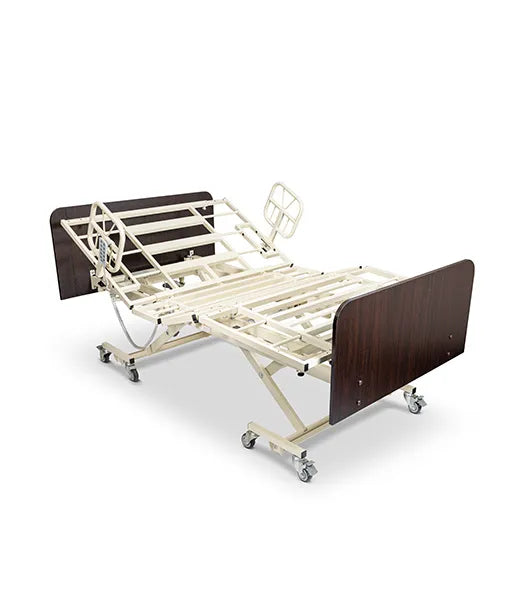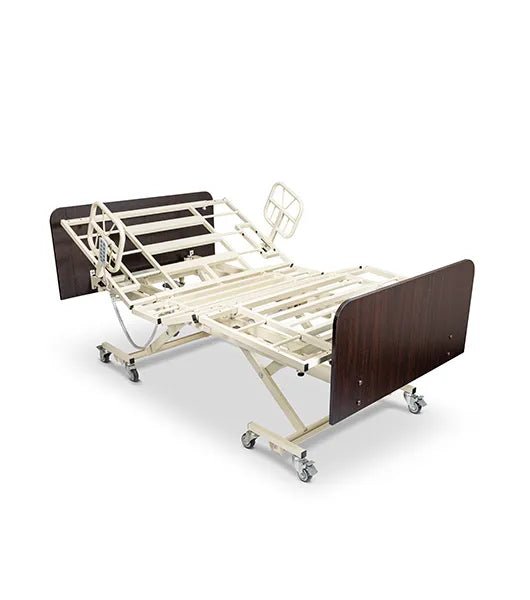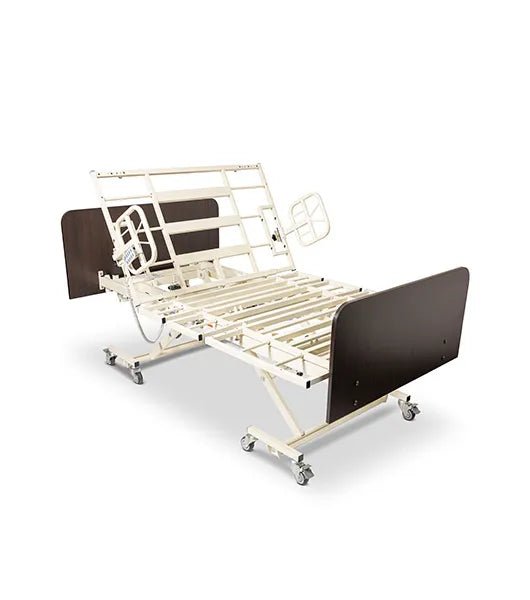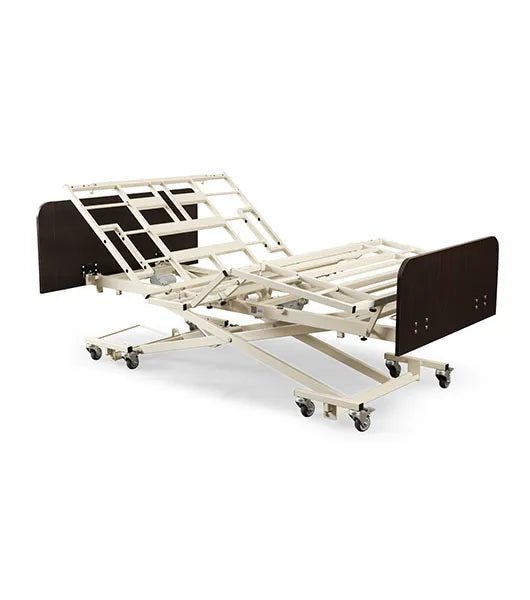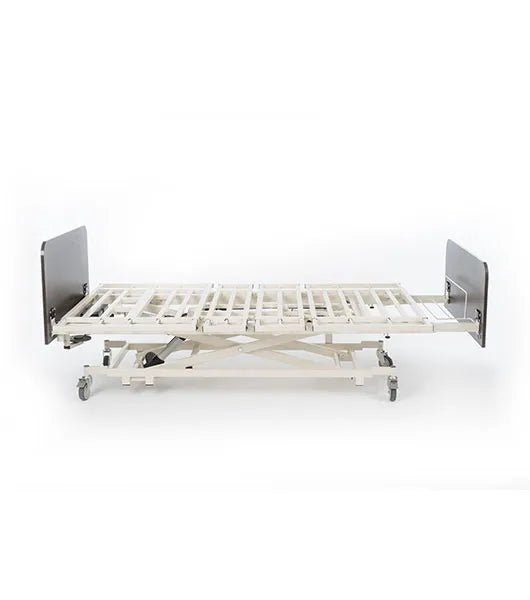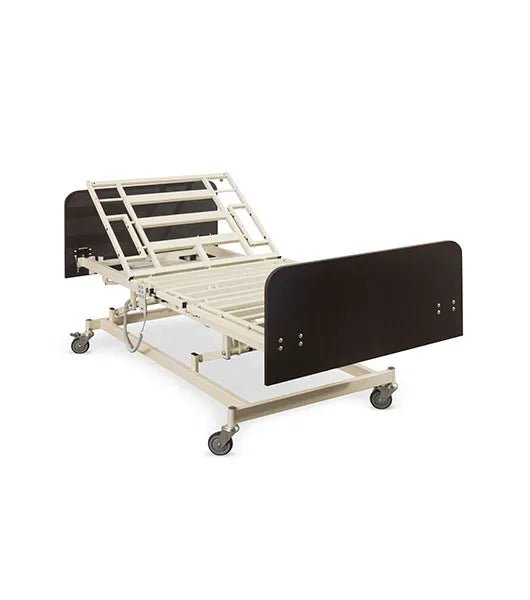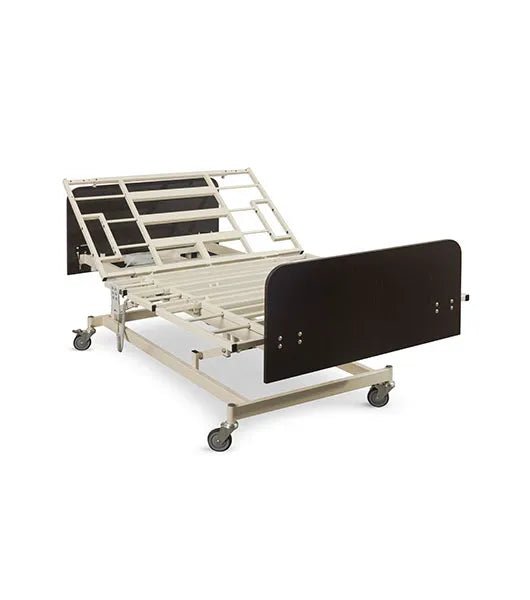
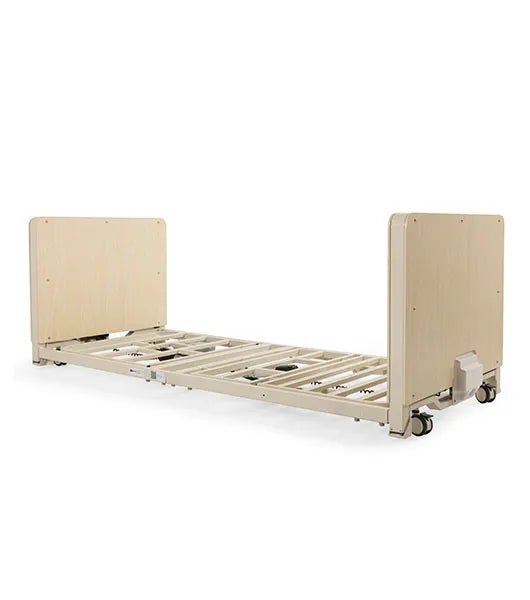
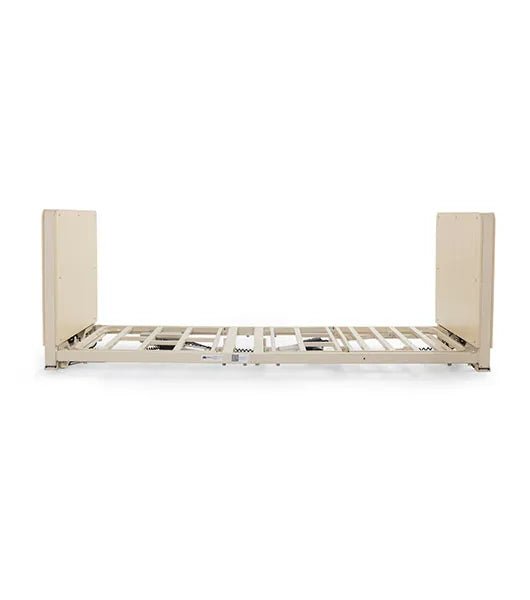
Shop Electric Hospital Beds for Facilities & Home Care
5 products
Showing 1 - 5 of 5 products
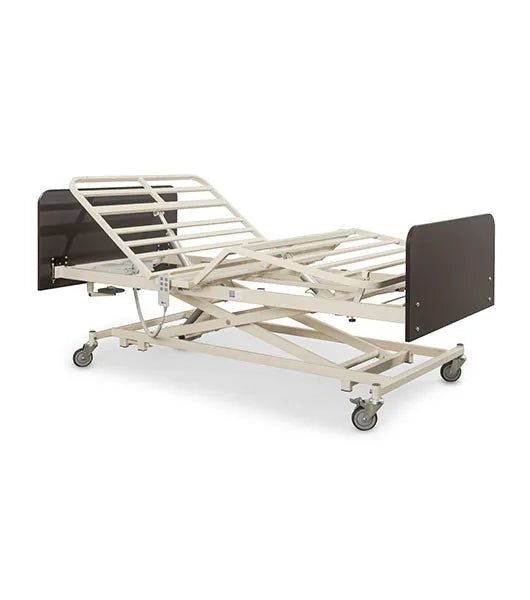
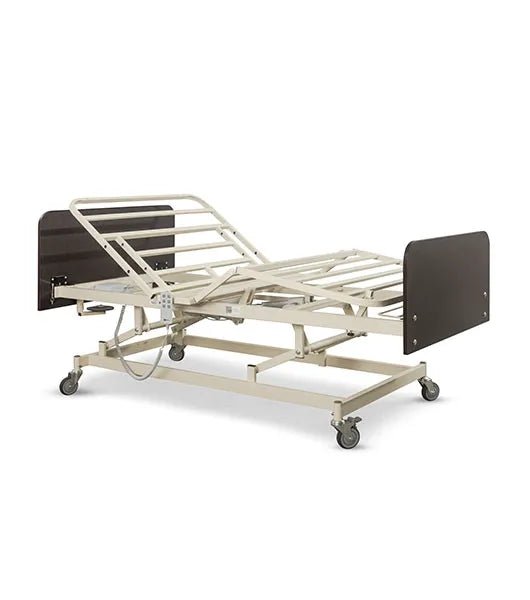
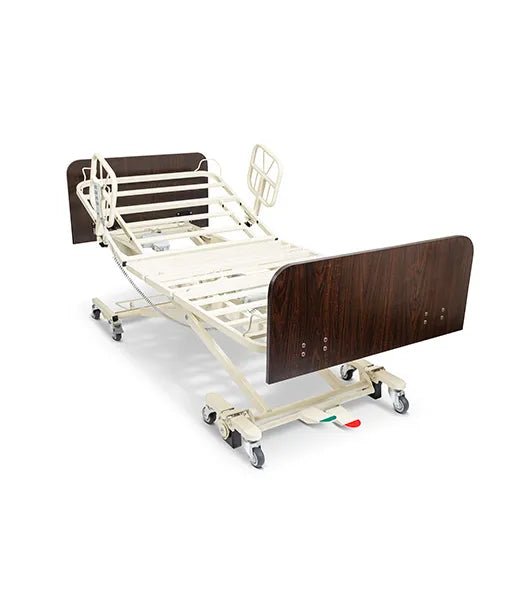
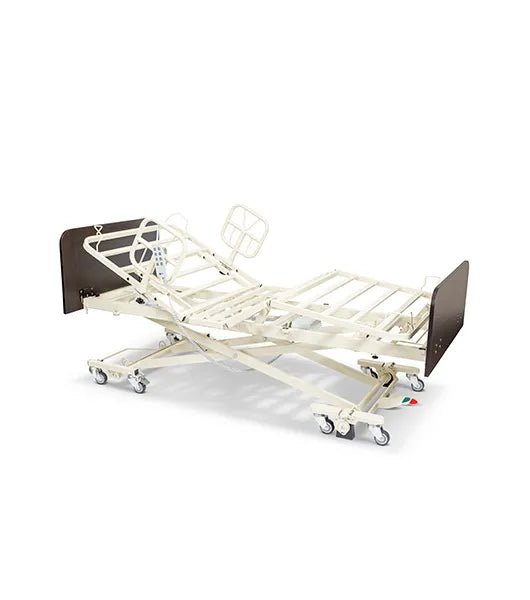
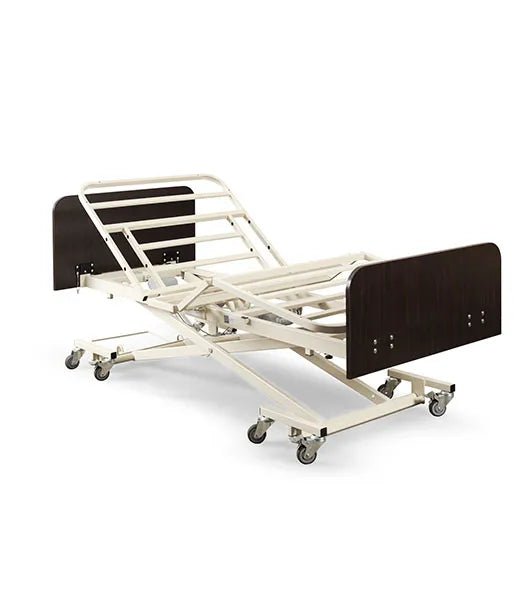
A caregiver at 3 a.m., trying to reposition a patient by hand on a frame that won't move, is exactly the situation an electric hospital bed is built to prevent. Push a button, the head raises. Push another, the whole deck lowers so a fall risk isn't sleeping four feet off the floor. That's the daily reality this equipment solves, whether it's a nursing home, a rehab wing, or a family caring for someone at home.
What an Electric Hospital Bed Actually Changes for Care
The manual crank is fine until someone has to use it fifty times a shift. An electric hospital bed shifts that work to a motor, which cuts strain on staff and makes small adjustments something you'll actually do instead of putting off.
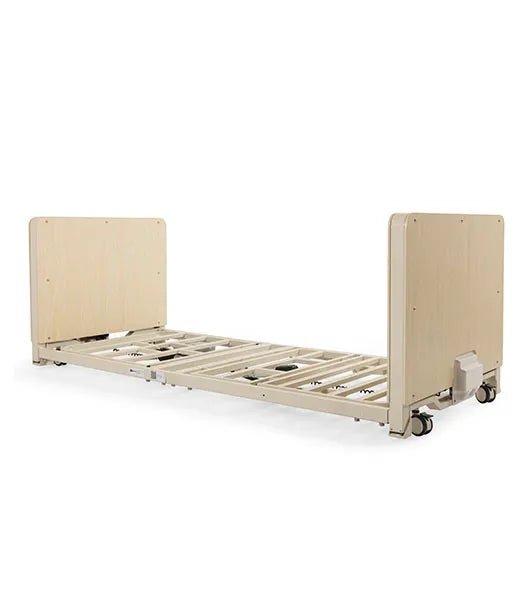
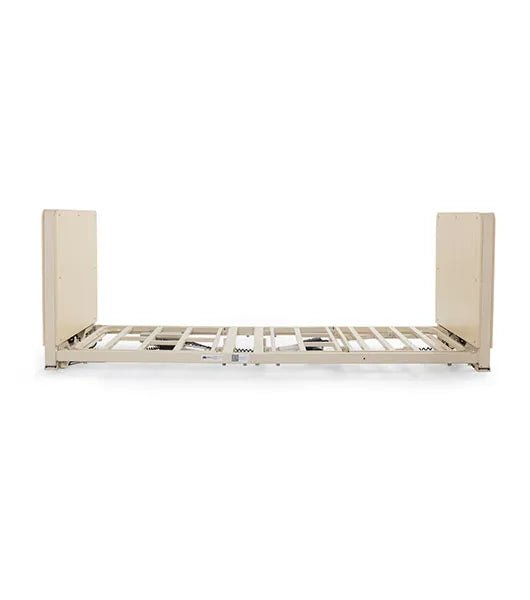
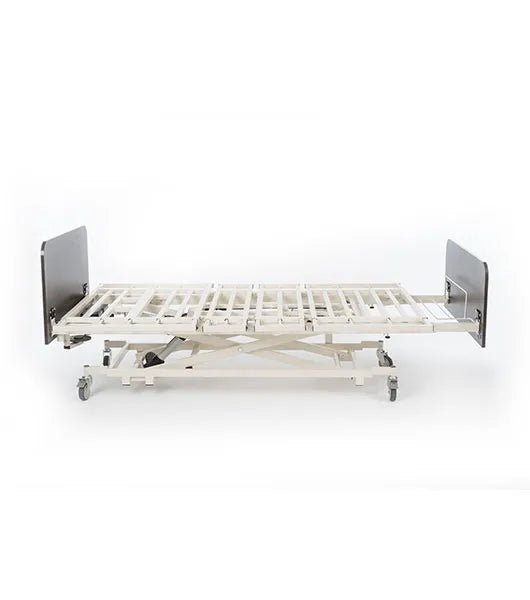
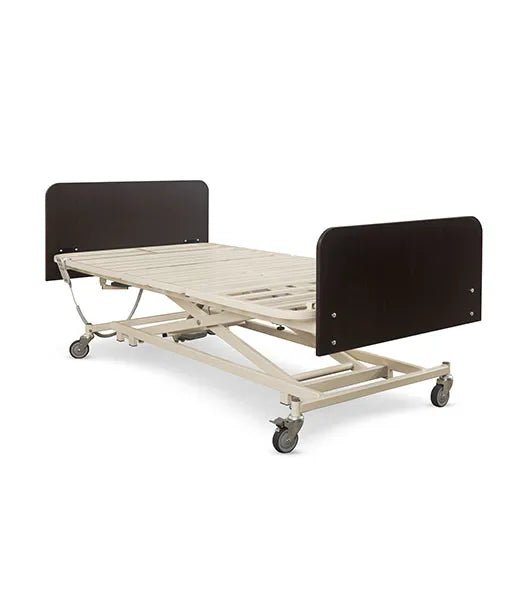
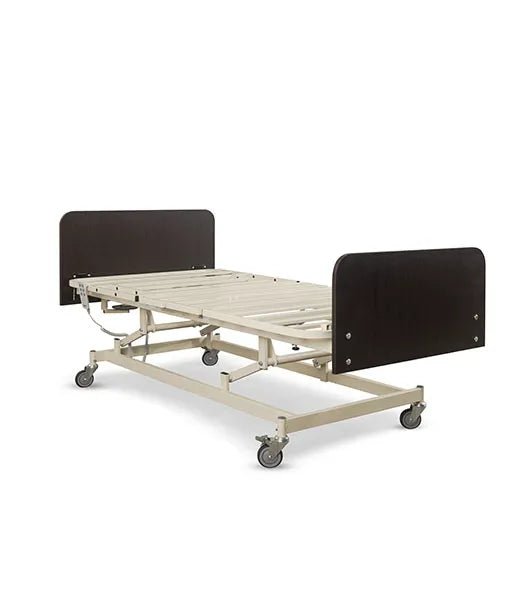
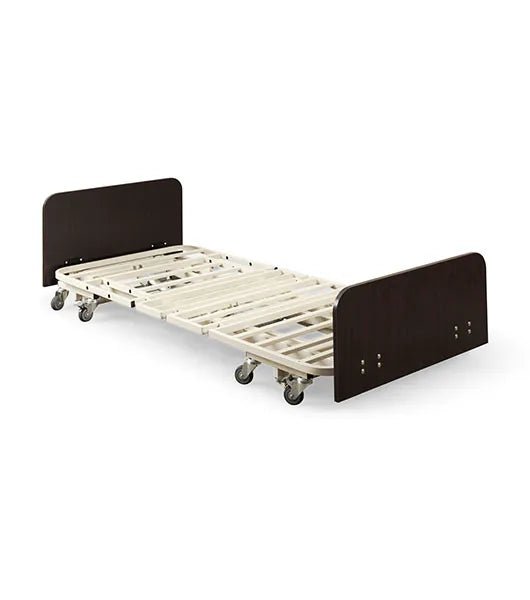
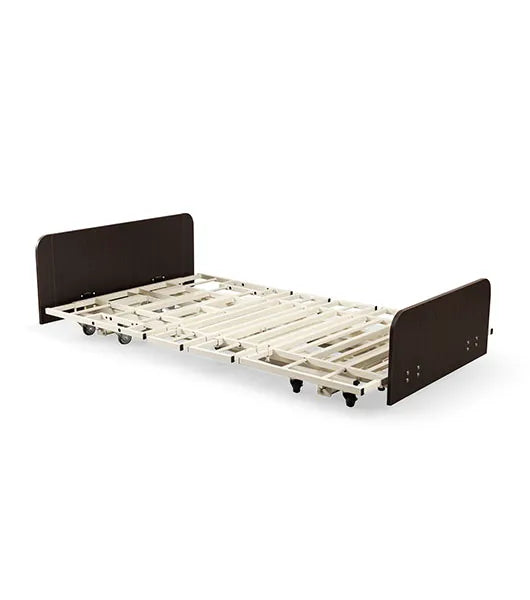
Height adjustment is the part people underestimate. A low deck height reduces fall injury risk for patients who wander at night. Raise the whole bed and a caregiver isn't bending over to change linens or provide care. It's ergonomics for the patient and the person doing the lifting.
Full-Electric, Semi-Electric, and Bariatric Options
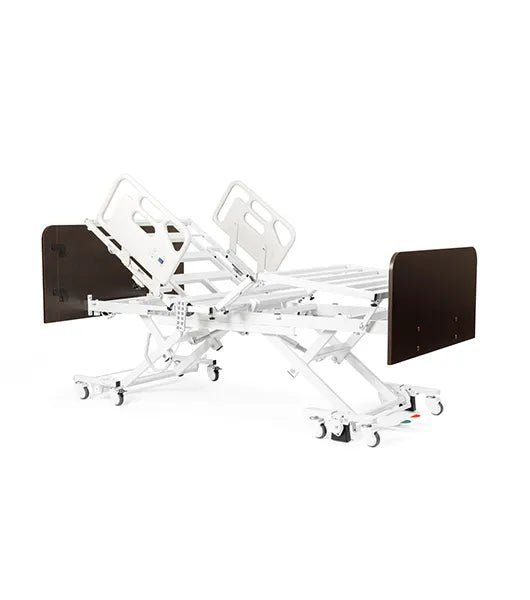
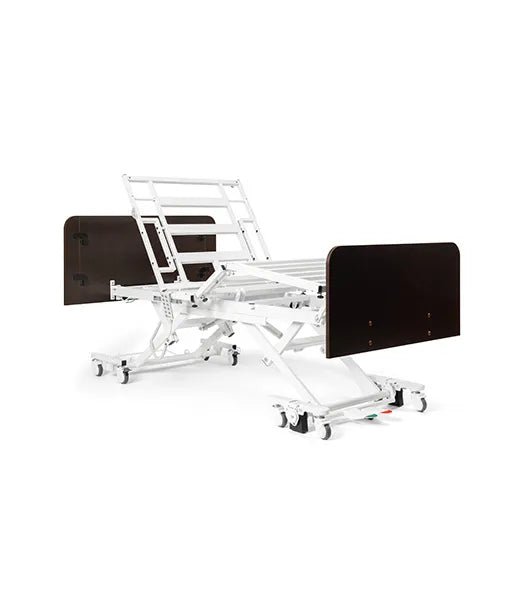
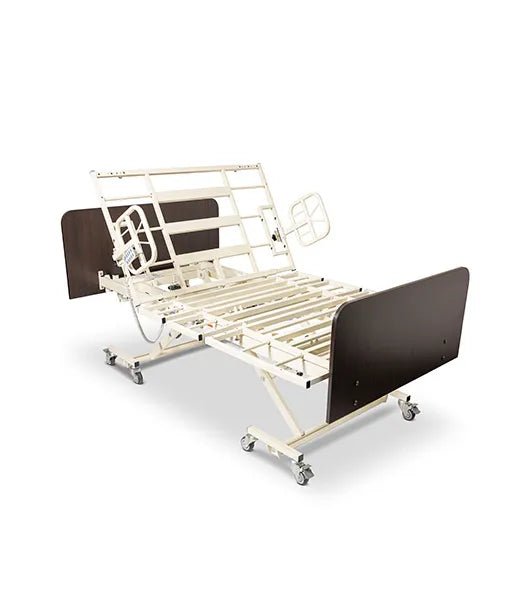
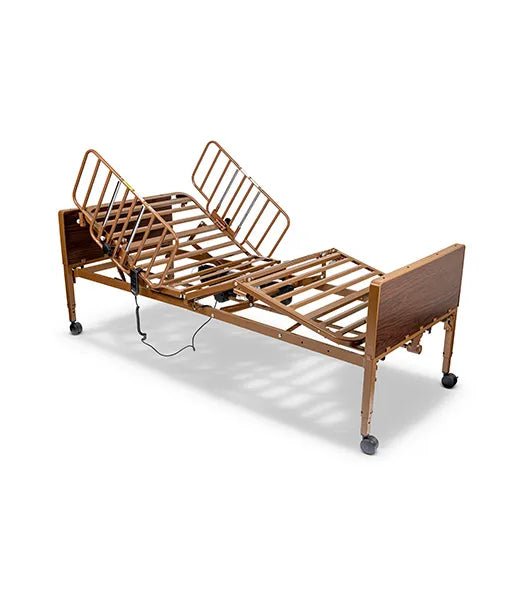
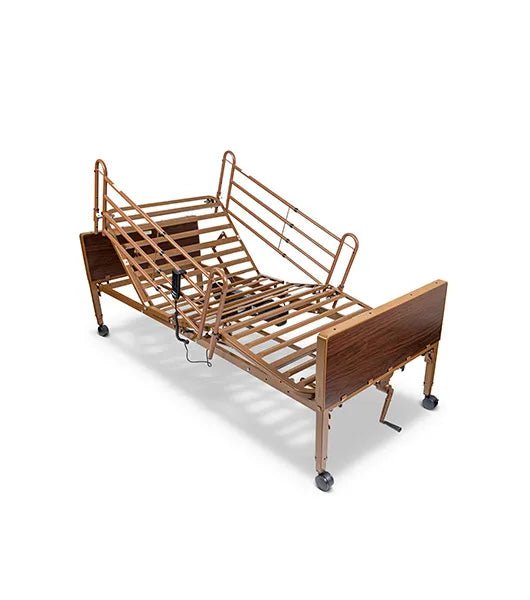
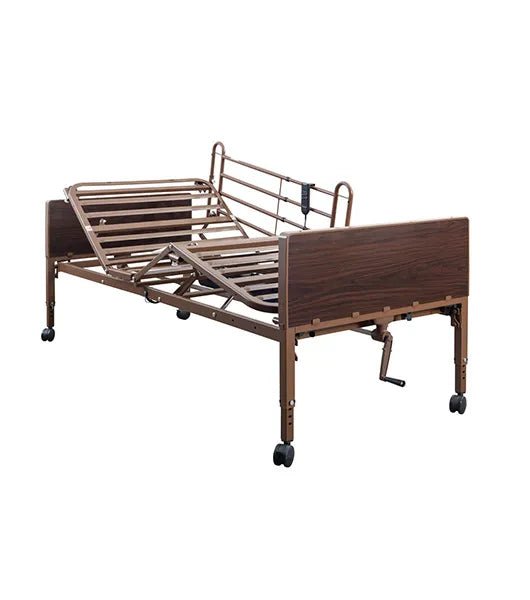
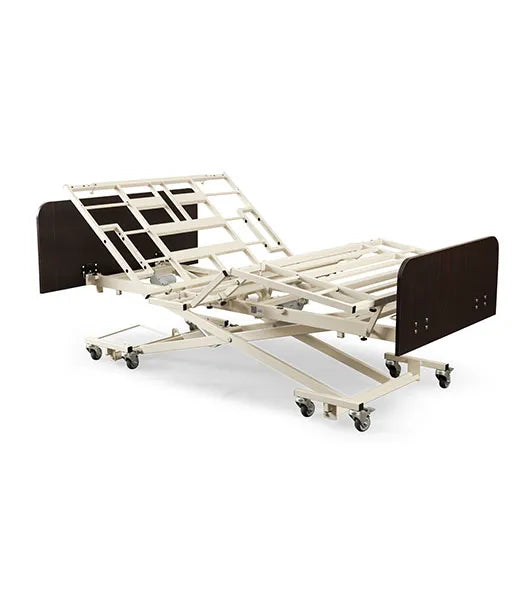
Most shoppers are choosing between two builds. A semi-electric bed powers the head and foot articulation but keeps a manual crank for overall height. A full-electric hospital bed powers all three functions, which is what most facilities want when staff are moving fast.
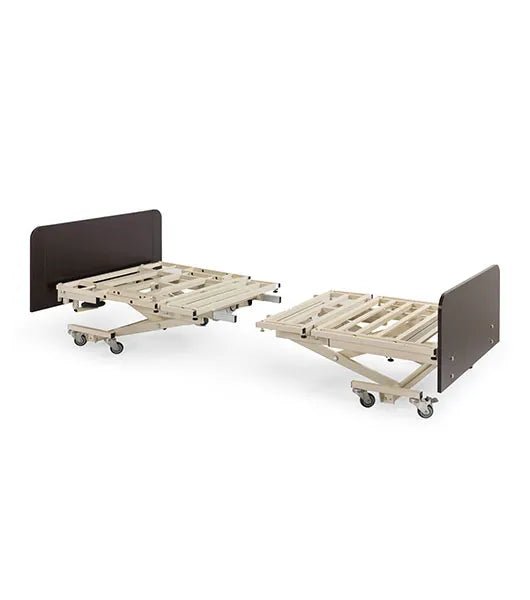
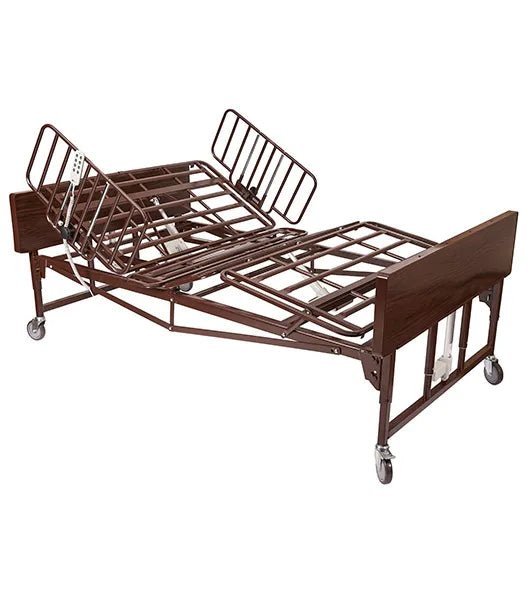
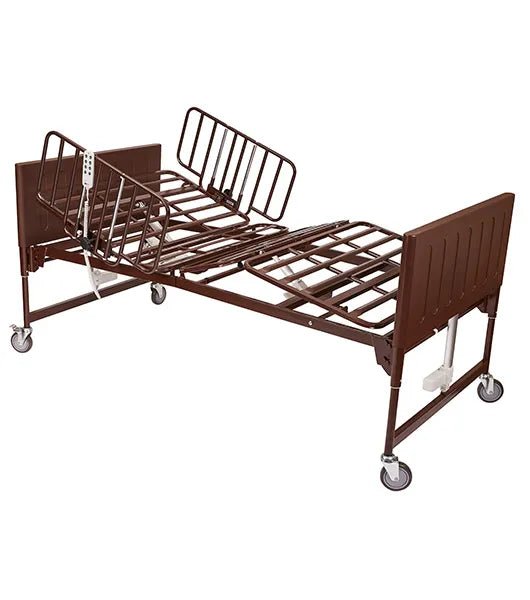
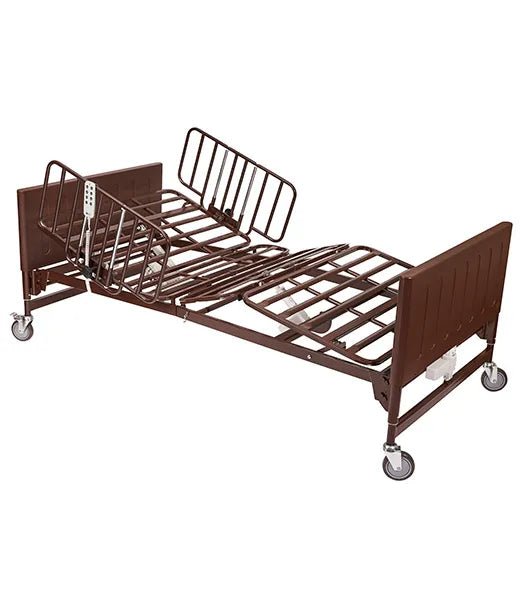
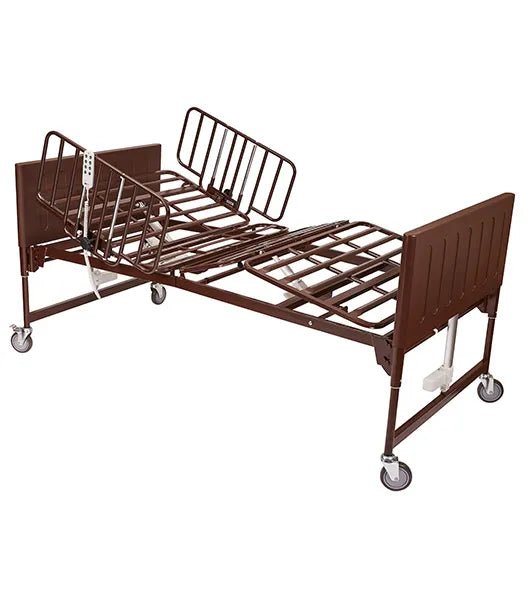
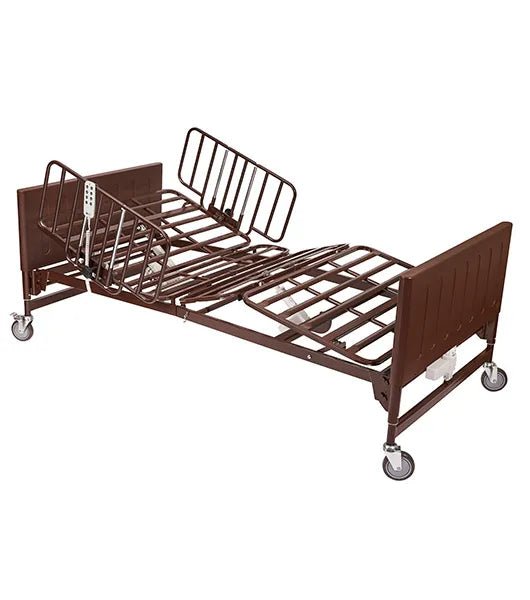
Then there's the bariatric category. These are wider, reinforced frames intended for larger patients, and they're a separate purchase decision from a standard bed. Our full-electric homecare range runs from a standard 36" frame up through 42", 48" and 54" bariatric widths, so if patient size is a factor at your site, don't try to make a standard frame work. Match the frame to the population.
Pressure-relief support surfaces are worth pairing with any bed order. Browse our hospital bed mattresses alongside the frames, since the mattress does half the work on skin protection.
Who's Buying These Beds
Skilled nursing and long-term care facilities buy in volume, and they care most about durability and staff safety over years of heavy use. Rehab centers want reliable articulation for patients recovering from surgery.
Home care buyers are a different animal. A family purchasing an electric hospital bed for a parent usually wants something a single caregiver can operate, quiet motors, and a footprint that fits a bedroom. Hospitals themselves lean toward full-electric with the extra positioning features their protocols call for.
We stock equipment for all of these buyers. You can see the broader catalog on our hospital beds collection and compare across the patient lifts we carry.
What to Look For When You Choose One
Weight capacity comes first. If there's any chance a heavier patient will use the bed, size up now instead of buying twice.
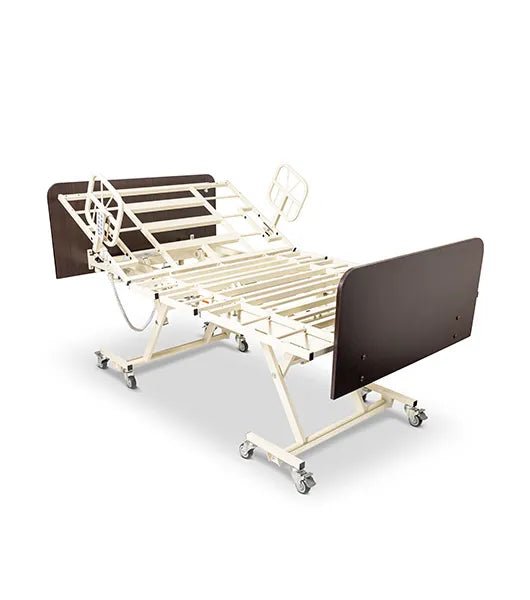
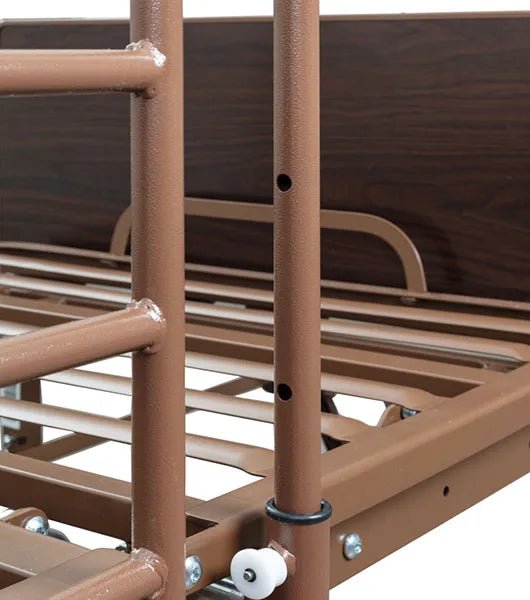
Side rails matter more than people expect. Half rails, full rails, split rails, each affects fall prevention and how easily a patient can get in and out. Our homecare frames come with full rail and half rail options, so think about the actual patient, not a generic one.
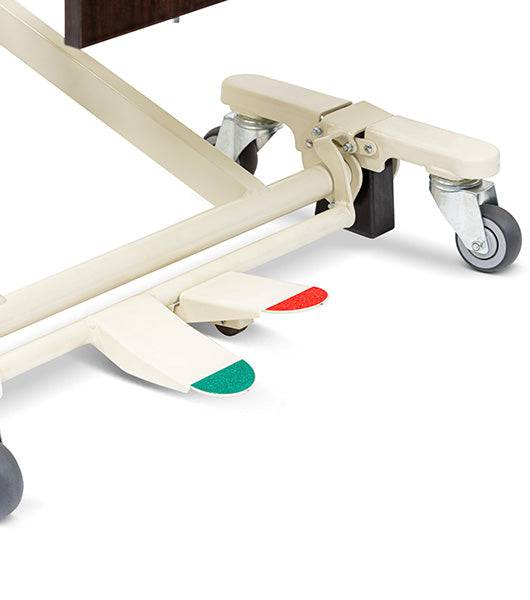
Deck height range is the spec I'd push you to check. A bed that goes truly low protects fall-risk patients at night. Bed exit and entry gets easier the lower it drops. Also consider caster locks, motor noise, and whether the control layout makes sense for the person using it at 3 a.m. Skip the fanciest positioning features if your patients don't need them, they add cost you won't use.
Semi-Electric vs Full-Electric: Which Way to Go
Semi-electric makes sense when budget is the binding constraint and staff won't be adjusting bed height often. You still get powered head and foot articulation, which covers most comfort and feeding positions.
Here's my honest take. If a single caregiver is doing hands-on care every day, pay for full-electric. Powered height is the function that saves backs, and it's the one you can't add later. For a facility standardizing an entire wing, full-electric also keeps training simple because every bed behaves the same way. The beds are below, take a look.
Electric Hospital Bed FAQ
Q: What's the difference between a full-electric and semi-electric hospital bed?
A: A full-electric bed powers the head, foot, and overall height with motors. A semi-electric powers the head and foot but uses a manual crank for height. Full-electric is easier on staff who adjust beds constantly; semi-electric usually costs less.
Q: Are bariatric beds just wider versions of a standard electric hospital bed?
A: No. Bariatric frames are reinforced for higher weight capacities and built wider for larger patients, so they're a distinct product decision. If patient size is a real factor, choose the bariatric frame rather than pushing a standard bed past what it's designed for.
Q: Who typically buys an electric hospital bed?
A: Skilled nursing facilities, rehab centers, hospitals, and home care families are the main buyers. Facilities focus on durability and staff safety across heavy daily use, while home care buyers want quiet, single-caregiver operation and a size that fits a bedroom.
Q: What widths are available?
A: Our full-electric homecare beds run from a standard 36" frame up through 42", 48" and 54" bariatric widths. Choose the width against the patient's size and the room's clearances, and confirm the rail configuration you need before ordering.