Bariatric Beds for Sale, Shop Heavy-Duty Patient Beds
8 products
Showing 1 - 8 of 8 products
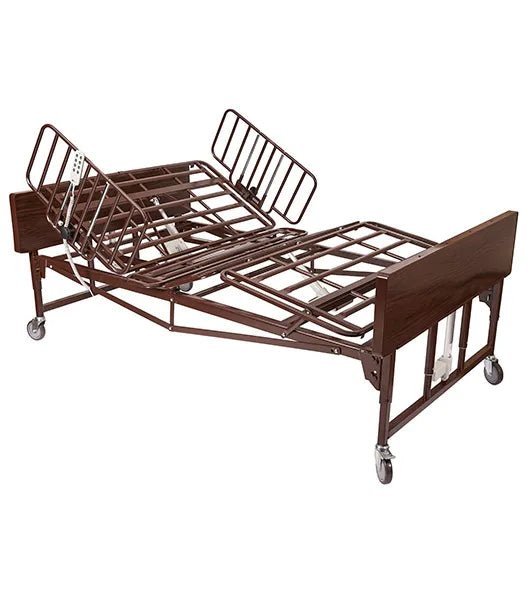
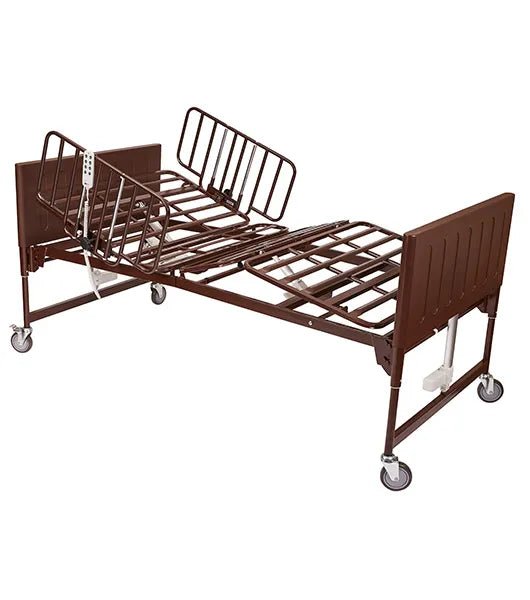
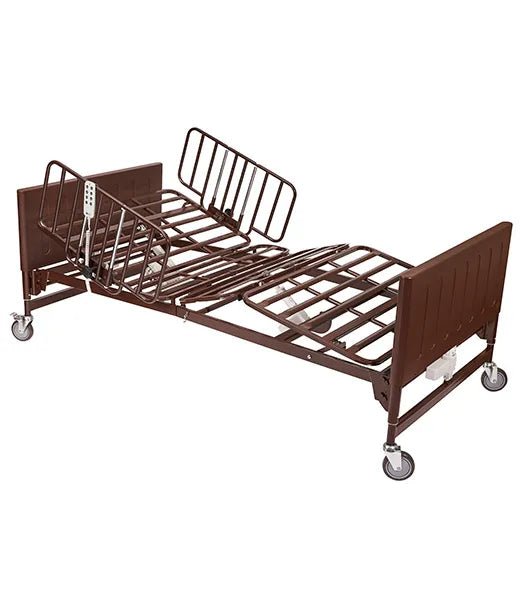
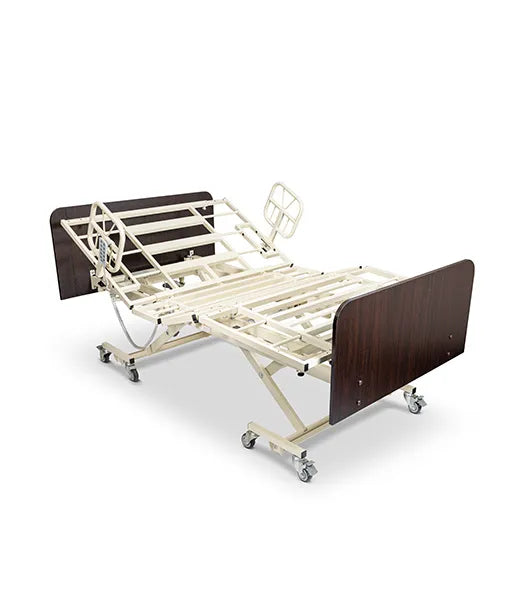
A bariatric bed is the piece of equipment most facilities underestimate until they're stuck moving a larger patient on a standard frame that wasn't built for it. These beds are wider, stronger, and rated for higher weight capacities than a typical hospital bed. And they're not a luxury upgrade. For a lot of facilities they're a safety requirement, both for the patient and the staff doing the lifting and repositioning.
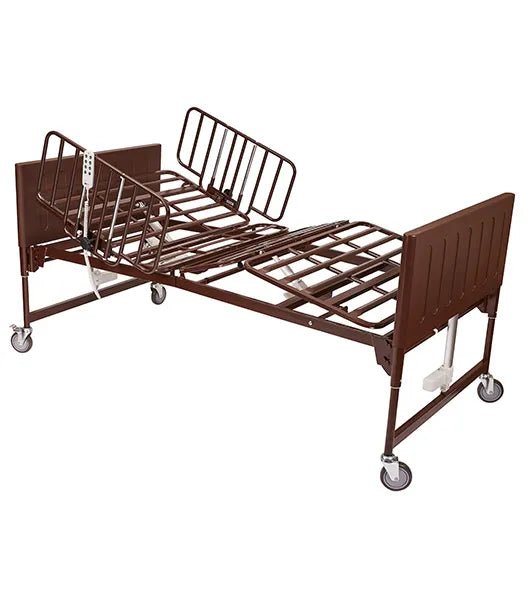
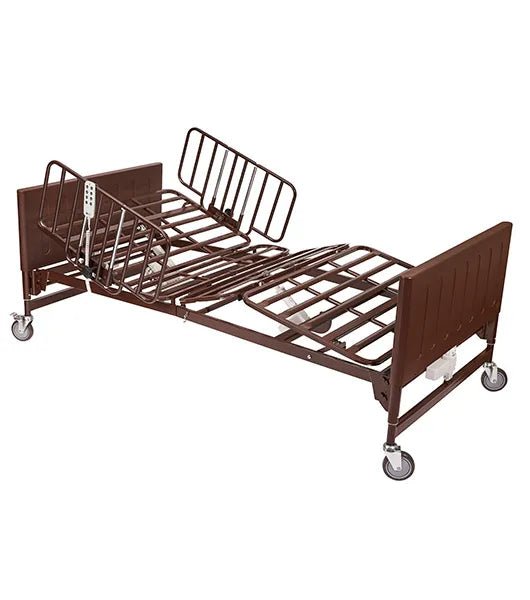
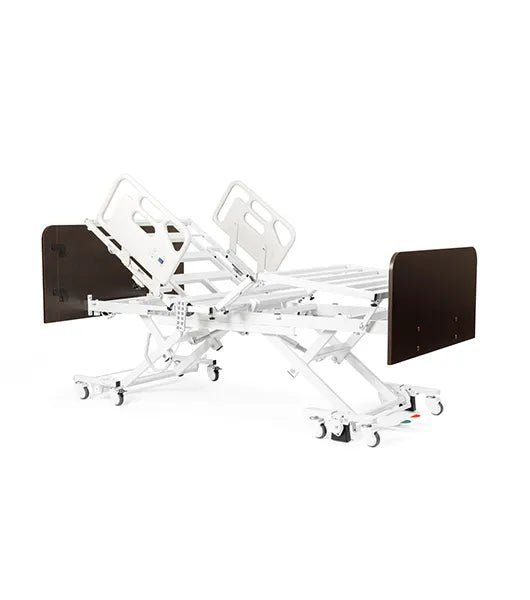
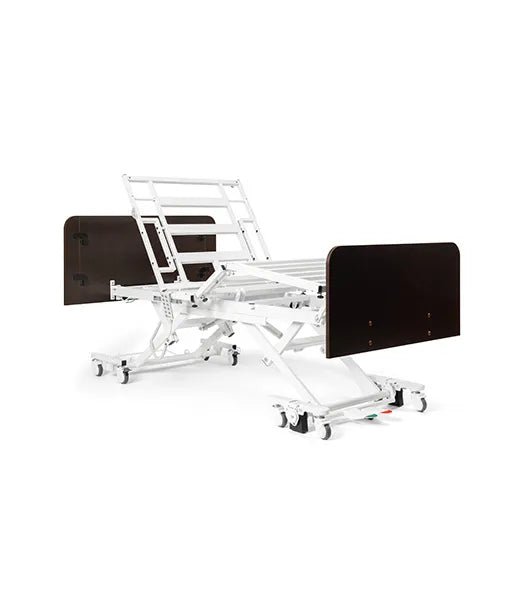
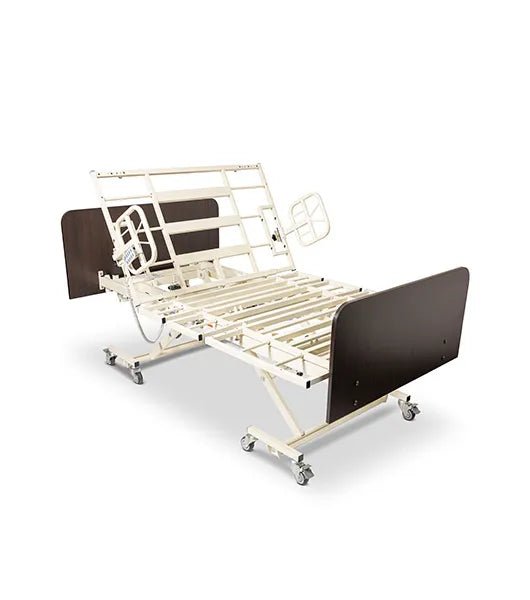
We stock expandable bariatric frames built for real clinical and homecare use.
Why a Bariatric Bed Isn't Just a Bigger Hospital Bed
People assume a bariatric bed is a regular bed scaled up. It's more than that. The frame, the motors, the deck, and the side rails all have to handle heavier loads without flexing or failing over years of daily use.
That extra width matters too. A wider sleep surface reduces the risk of pressure injuries and gives caregivers room to reposition safely. A standard-width frame forces staff into awkward, unsafe angles. That's how injuries happen, and that's the whole reason these beds exist.
Bariatric Bed Types and Configurations Buyers Ask About
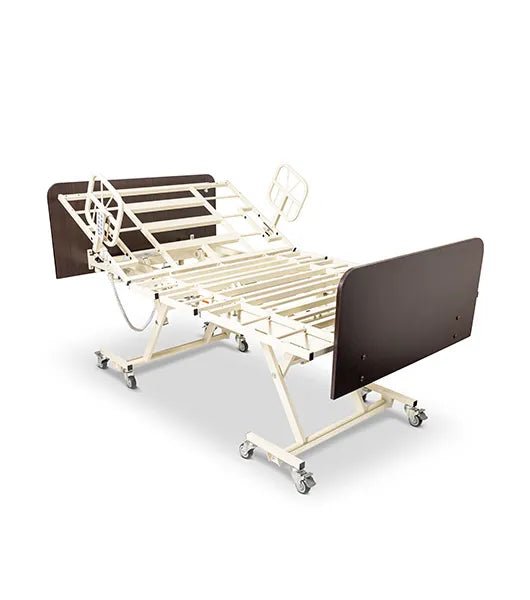
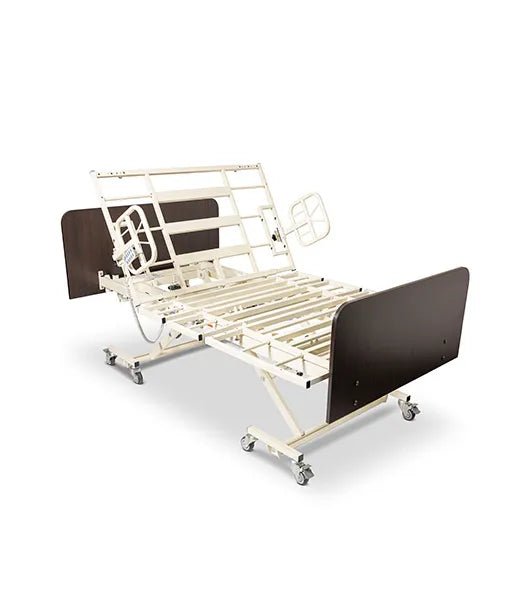
Most buyers are choosing between a few configurations. Full electric beds let the patient and caregiver adjust head, foot, and height with hand controls, which is the norm in acute and long-term care. Semi-electric options are cheaper and common in homecare, though the bariatric frames here are all full electric.
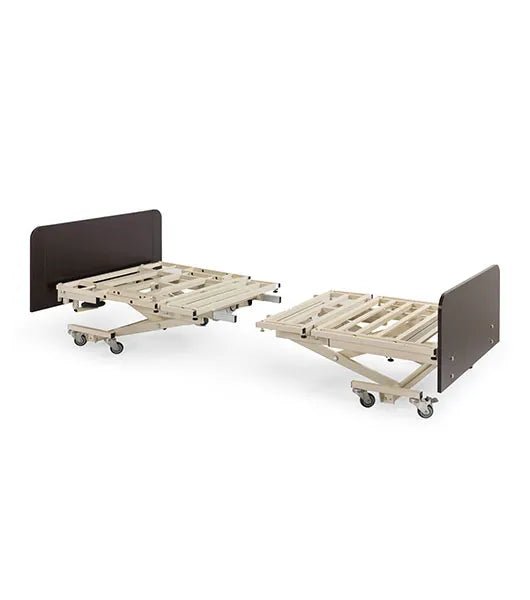
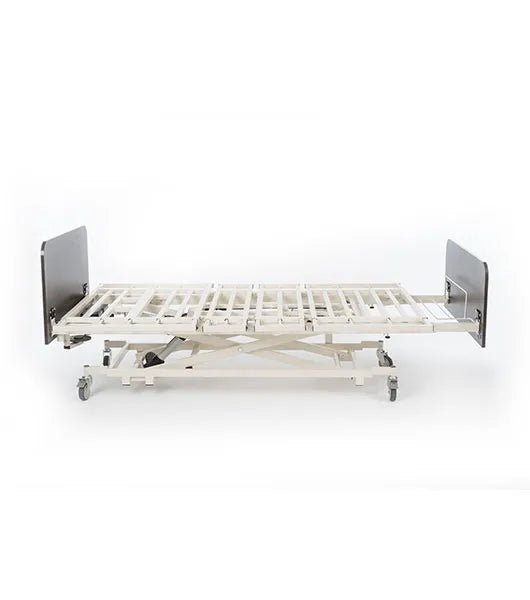
You'll also see differences in deck width, expandable frames that grow as needs change, and low beds designed to sit closer to the floor for fall-risk patients. Weight capacity is the number everyone checks first, and rightly so. It should always exceed the patient's weight with a real safety margin, not just barely clear it.
Pairing the bed with the right surface matters as much as the frame. Browse our full lineup of Beds and Mattresses to match a bariatric-rated mattress to the deck.
Who Buys Bariatric Beds and What They Actually Need
Hospitals and acute care units need full-electric bariatric beds that integrate with their existing patient handling workflow. Height range, brake quality, and durability under constant use are the priorities here.
Long-term care and skilled nursing facilities buy for the long haul, so refurbished bariatric beds often make sense when the frame and motors are solid. Homecare buyers and family caregivers usually want something safe and manageable without hospital-grade pricing. And bariatric care rarely stops at the bed. Facilities moving larger patients also need rated lifts and slings, so it's worth looking at Patient Lift Slings and the rest of our Patient Transport Equipment at the same time.
What to Look for When Choosing a Bariatric Bed
Start with weight capacity and don't cut it close. Pick a bed rated well above the heaviest patient you expect, because a margin protects both the patient and the warranty on the frame.
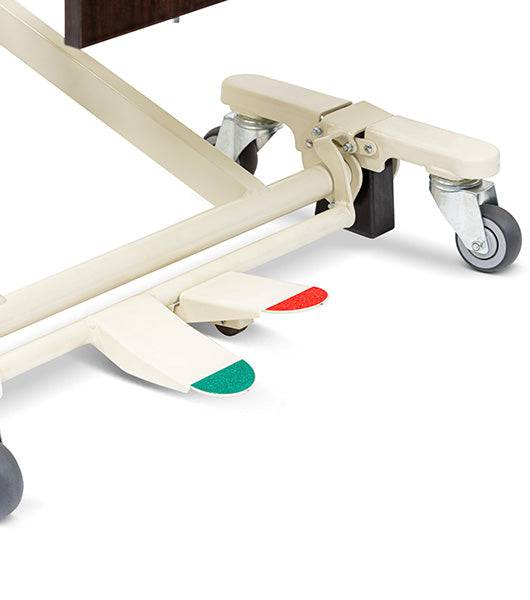
Deck width comes next. Wider is safer for repositioning and reduces skin breakdown risk, but measure your room and doorways first (a bed that won't fit through the door is a very expensive mistake). Look at the electric adjustments, the quality of the side rails, and how easy the brakes and casters are to operate under load.
Then think about the mattress. A great frame with a thin, non-rated mattress defeats the purpose. Match a bariatric mattress to the deck and the patient's pressure-injury risk. Refurbished beds are a smart way to stretch a budget, as long as the motors, deck, and rails have been properly inspected.
New vs Refurbished Bariatric Beds, Which Makes Sense
Here's my honest take. If you're a hospital running acute care with heavy daily turnover, buy new for the newest motors and the longest service life. The uptime is worth the premium.
For long-term care, homecare, and facilities watching every dollar, a well-refurbished bariatric bed is often the smarter buy. The frames on these beds are built to last, so a properly inspected refurbished unit can give you years of safe service at a fraction of new pricing. Skip refurbished only if you can't verify the motors and deck were checked. The bariatric frames listed here are new; ask us about refurbished availability before you decide.
Bariatric Bed FAQ
Q: What weight capacity should a bariatric bed have? A: It depends on your patient population, but the rule is simple: pick a capacity that clears the heaviest expected patient with a real margin, never one that barely meets it. Common bariatric ratings run well above standard hospital beds, and staying under the limit protects both the patient and the bed's structure.
Q: What's the difference between full electric and semi-electric bariatric beds? A: Full electric beds power the head, foot, and height adjustments with hand controls, which is standard in hospitals and acute care. Semi-electric versions power the head and foot but adjust height manually, making them a lower-cost choice common in homecare settings.
Q: Are bariatric beds worth it for homecare, not just hospitals? A: Yes, especially when a family caregiver is repositioning a larger loved one at home. The extra width and higher weight rating protect both the patient and the caregiver's back, and semi-electric or refurbished options keep the cost manageable outside a hospital budget.
Q: Is a refurbished bariatric bed a safe way to save money? A: It can be, as long as the motors, deck, side rails, and casters were properly inspected before resale. Bariatric frames are built heavy-duty, so a well-checked refurbished bed often delivers years of safe use for far less than new, which is why long-term care and homecare buyers lean toward them.