

A reliable spo2 sensor is one of those small parts that quietly holds up your whole monitoring setup, and when it fails mid-transport or mid-shift, everyone feels it. These sensors read blood oxygen saturation and pulse rate, feeding that data straight into your monitor or defibrillator. We stock replacement and add-on options built for the equipment EMS crews, hospitals and clinics already run every day.
What a SpO2 Sensor Does and Why It Matters
A spo2 sensor clips or wraps onto a patient's finger, toe, or earlobe and uses light to estimate oxygen saturation. That reading shows up as a number and waveform on your monitor. Simple concept. Big consequences when the signal drops out.
Most agencies don't think about their sensors until one stops tracking properly. Cables fray, connectors loosen, and clips lose their grip after months of real-world use. Keeping spare sensors on hand isn't overkill, it's just good planning.
Types of SpO2 Sensors: Reusable vs Disposable
There are two broad camps here, and the right pick depends on how you work.
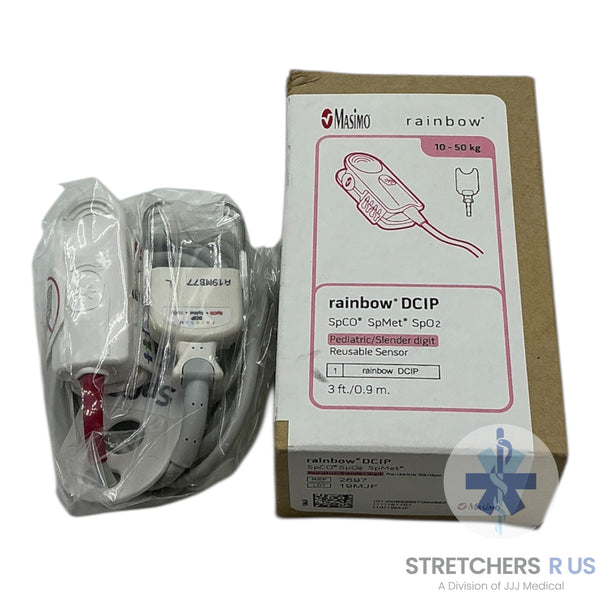
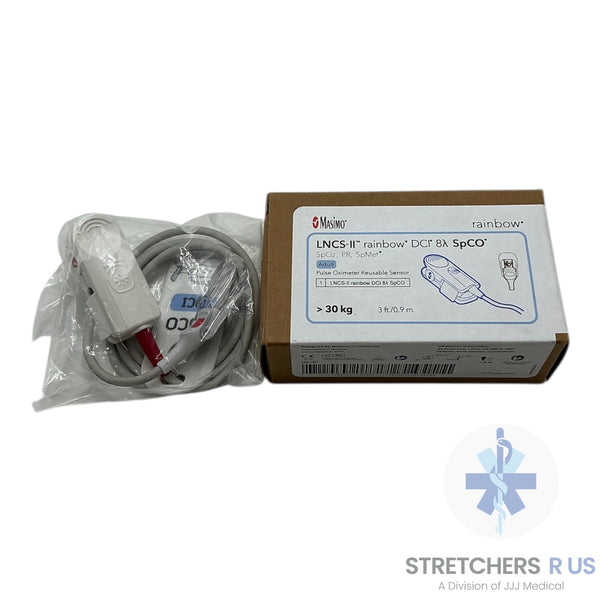
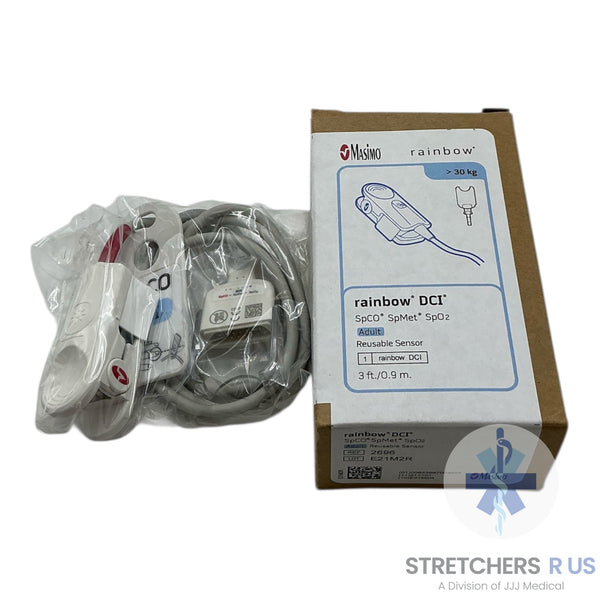
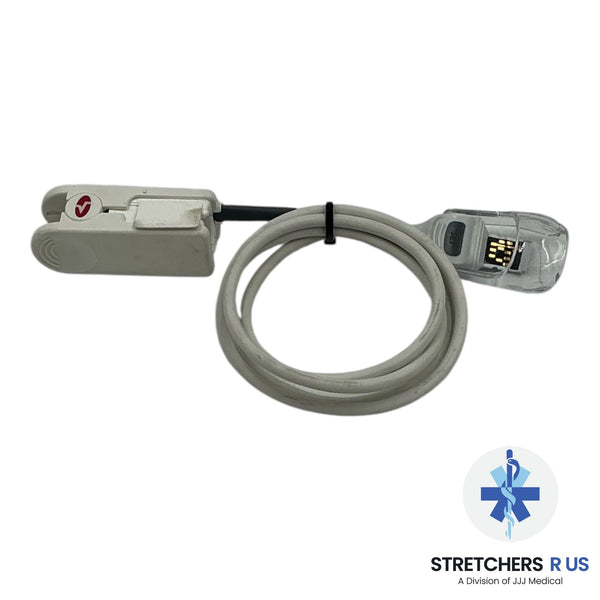
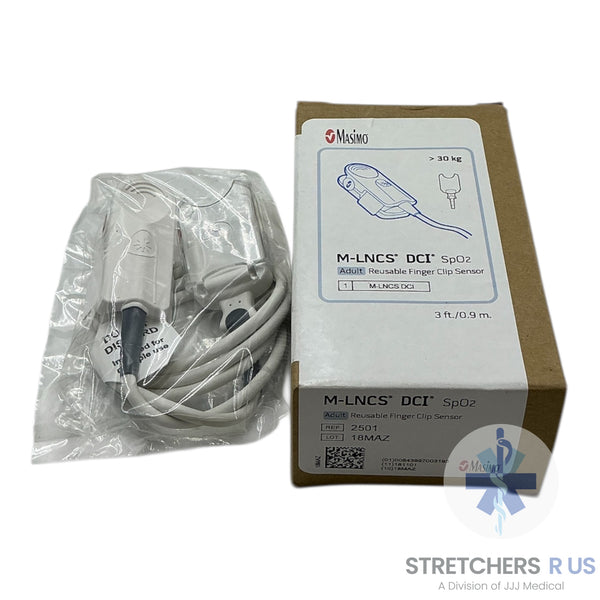
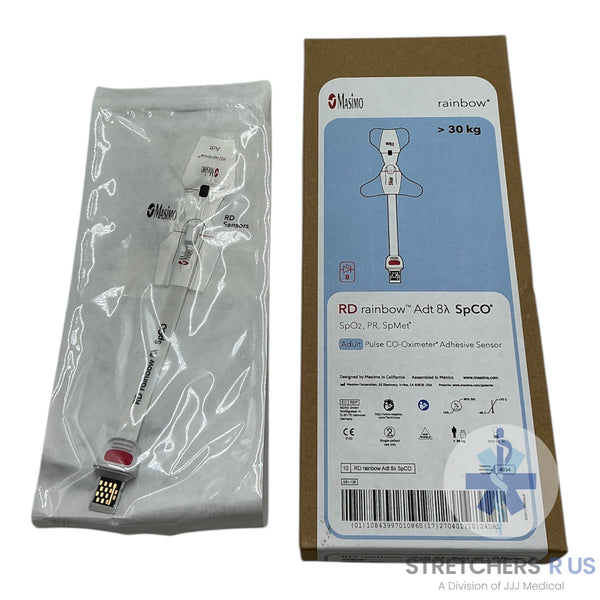
Reusable sensors cost more upfront but pay off over time if you're cleaning and reusing them between patients. Think finger clips, soft wraps, and multi-site sensors that hold up to repeated use. Disposable adhesive sensors get used once and tossed, which is why hospitals lean on them for infection control and for pediatric patients where fit and hygiene matter most.
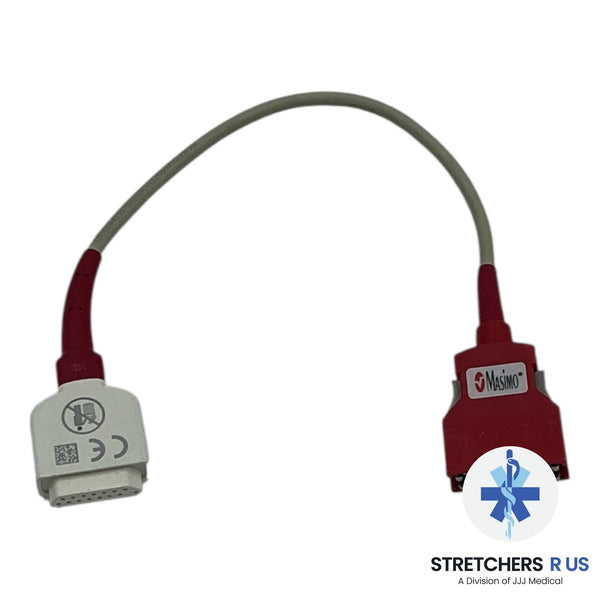
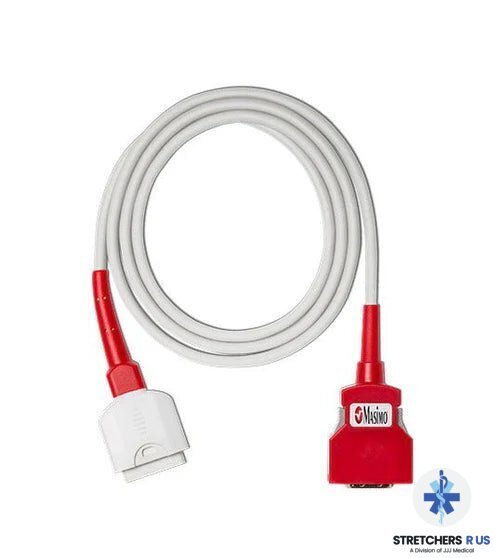
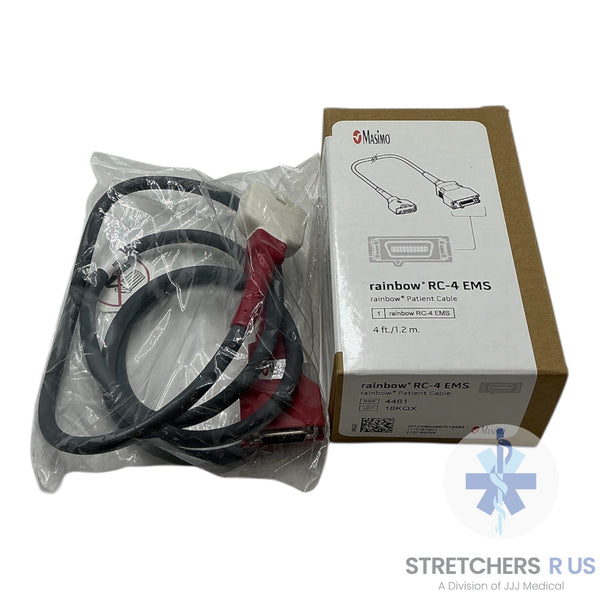
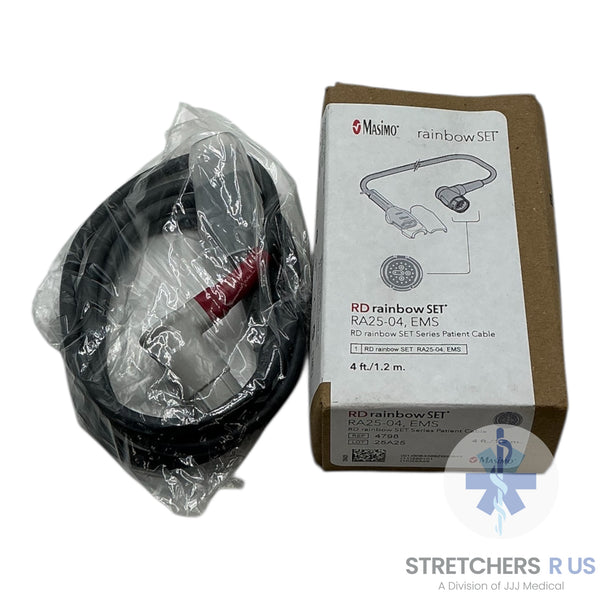
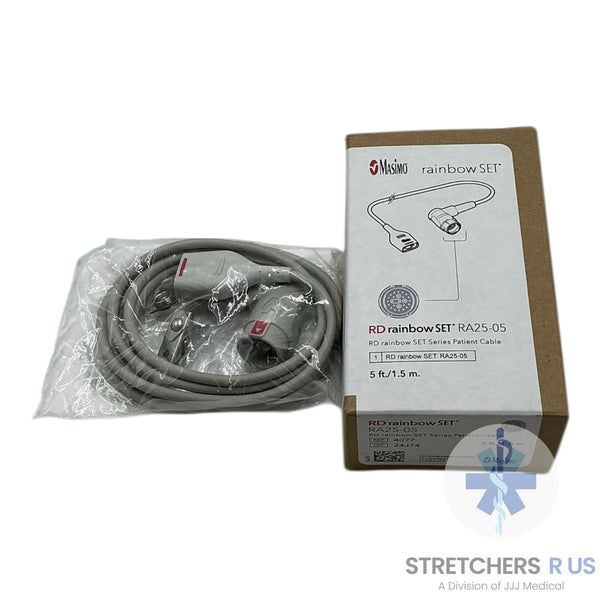
You'll also see sensors sorted by patient size, adult and pediatric. And connector type matters just as much. A spo2 sensor has to match your specific monitor's cable and pin configuration, or it won't talk to the device at all.
Who Buys SpO2 Sensors
EMS agencies buy them to keep cardiac monitors and portable pulse oximeters ready between calls. If your crews run ZOLL units or other field monitors, a compatible sensor and cable set is part of staying call-ready.
Hospitals and clinics go through a lot of disposable sensors because of turnover and infection protocols. Bedside monitors, crash carts, and step-down units all need them. First aid squads and school health offices usually want a couple of reusable clips they can rely on without a big spend.
Homecare is its own thing. Families and visiting nurses managing patients at home tend to want a simple, durable finger sensor that pairs with a basic monitor and lasts. Different buyers, same goal: a clean, accurate reading.
What to Look For When Buying a SpO2 Sensor
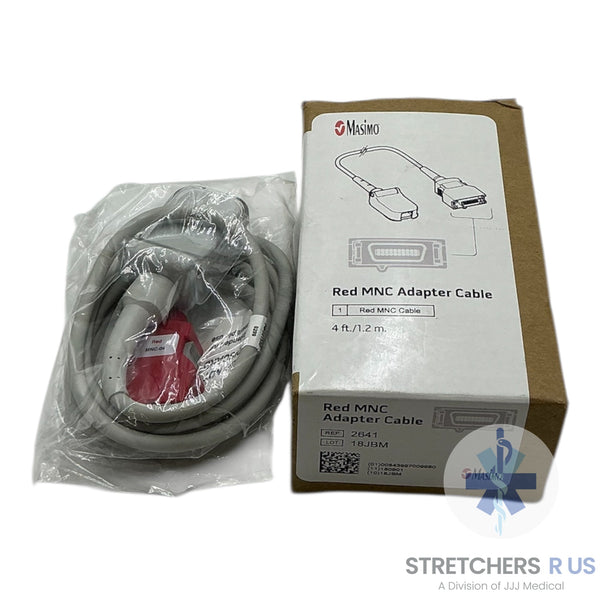
Start with compatibility. Match the sensor to your monitor brand and its connector, or check that the cable adapter you're buying bridges the two. This is the number one reason a new sensor gets returned, so confirm it before you order.
Next, think about patient population. A pediatric clinic needs different sizing than an adult transport unit. If you serve a mixed population, a reusable multi-site sensor gives you flexibility.
Durability is worth paying for on the EMS side. Field gear takes abuse. Look for reinforced cables and solid strain relief where the wire meets the connector, because that joint is usually the first thing to go. Pair your sensors with the defibrillators and medical devices they connect to so everything speaks the same language. And if you're outfitting rigs, our patient transport equipment and Stryker lines round out the setup.
Reusable or Disposable: Which Should You Buy?
Here's my honest take. If you're a hospital dealing with infection control and high patient turnover, disposable sensors win. The per-unit cost is low and you skip the cleaning and cross-contamination worry entirely.
If you're an EMS agency or a smaller clinic where the same crew handles equipment, reusable sensors are the smarter money. You'll spend more per sensor, but you're not restocking every week. Buy a couple of quality reusable clips, keep one disposable box for pediatric or isolation cases, and you've covered nearly every situation. Skip the ultra-cheap generic sensors if patient data actually drives your decisions, because a wobbly reading helps no one.
Sort by your monitor brand, grab the spo2 sensor that fits, and get your gear back to full readiness.
Frequently Asked Questions
Q: Are SpO2 sensors compatible with any monitor?
A: No. A spo2 sensor has to match your monitor's brand, connector type, and pin configuration, or the device won't read it. Check your monitor model and cable before ordering, or choose an adapter cable that bridges the two.
Q: What's the difference between reusable and disposable SpO2 sensors?
A: Reusable sensors are cleaned and used across multiple patients, which lowers long-term cost for EMS and small clinics. Disposable adhesive sensors are single-use, preferred in hospitals for infection control and for pediatric patients where fit and hygiene are priorities.
Q: Which SpO2 sensor is right for pediatric patients?
A: Smaller patients need size-specific sensors, such as a pediatric reusable clip rather than an adult finger clip. Many facilities use disposable adhesive sensors here for a secure fit and cleaner handling between patients.
Q: How much should I budget for SpO2 sensors?
A: Prices vary by type and whether it's reusable or disposable, so budget by usage pattern rather than a single sticker number. Reusable sensors cost more per unit but last longer, while disposables are cheaper each but add up with volume. Buying sensors matched to your exact monitor avoids waste from incompatible returns.


Shop by Collection
- Stryker Stretchers
- Ambulance Stretchers
- Ferno Stretchers
- Used Ferno Stretchers
- Stryker Power-PRO XT
- Stryker Power-PRO 2
- Stryker MX-PRO
- Stryker Electric Stretchers
- Stryker Stair Chairs
- Ferno Stair Chairs
- Stryker Powered Stair Chairs
- Stryker Accessories
- Stryker Stretcher Parts
- Stryker Parts Online
- Stryker Fasteners
- Ferno Accessories
- Ferno Stair Chair Parts
- Stretcher Straps
- Stryker Stretcher Mattresses
- Wheelchair Lift Parts
- Braun Wheelchair Lift Parts
- LIFEPAK 15
- LUCAS Chest Compression
- Medical Devices
- Spine Boards
- Scoop Stretchers
- Transfer Boards
- ZOLL
- Patient Transport Equipment
- Stryker
- Ferno