

The one thing shoppers forget to measure before ordering bed rails for seniors is the mattress height, and it trips up more families than any spec on the box. A rail that sits too low gives nothing to push against. Too high and it becomes an obstacle. Measure from the floor to the top of the mattress first, then shop. It saves a return and a few choice words at the loading dock.
Why Bed Rails for Seniors Make Such a Difference
Getting in and out of bed is where a lot of falls happen, especially at night when the lights are off and reflexes are slow. A good rail gives a fixed point to grip while sitting up, swinging legs over, and standing. That's the whole job.
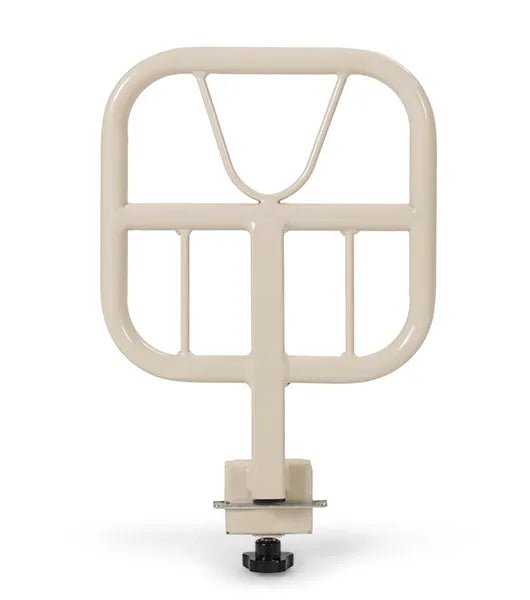
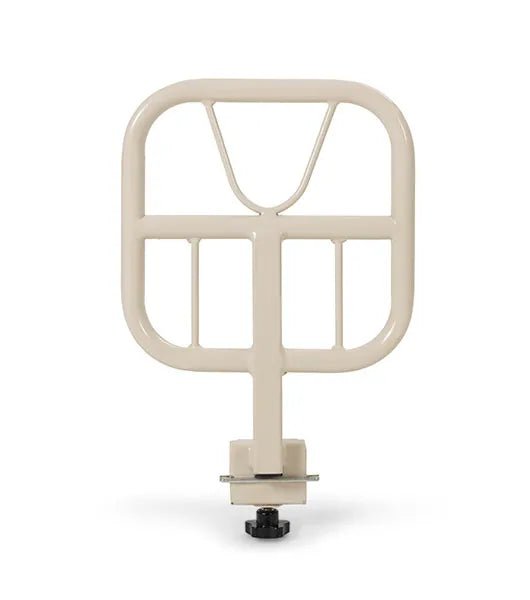
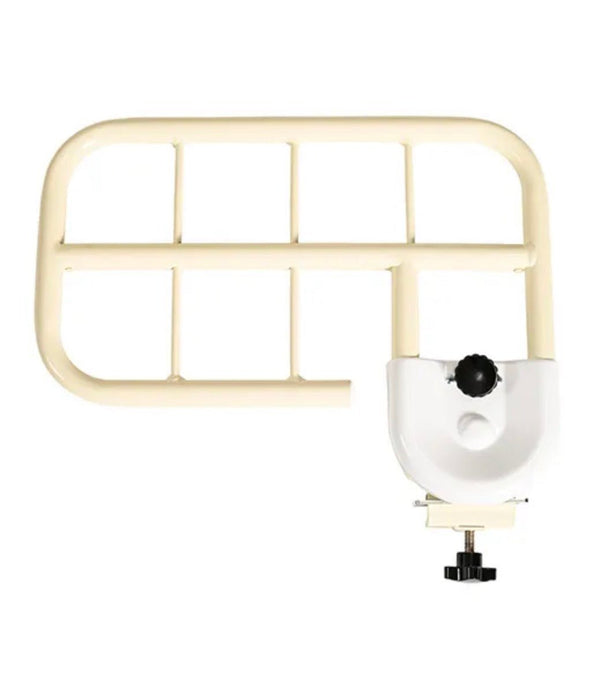
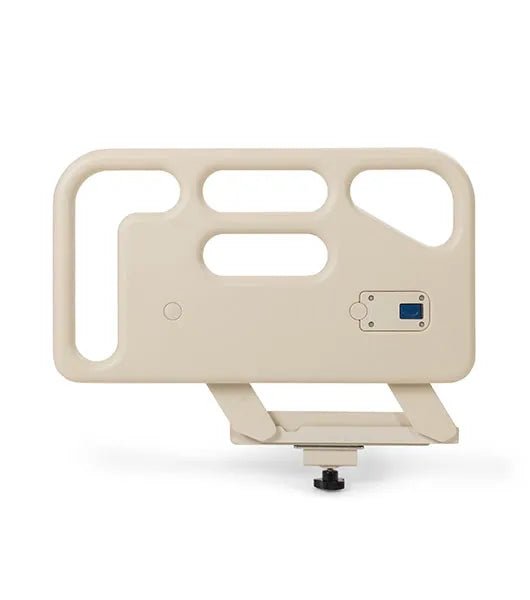
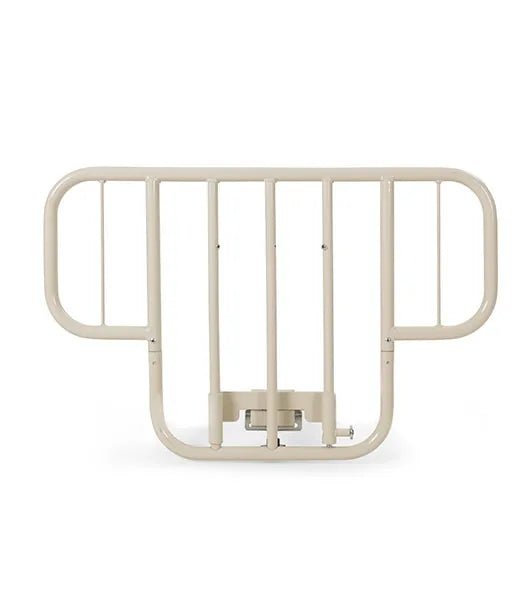
Some rails are short assist bars meant for leverage. Others are quarter side rails that guard a section of the bed to help keep someone from rolling out. Both have a place. Which one you need depends on whether the person mostly needs help rising or needs a barrier for safety through the night.
Types of Bed Rails and Assist Bars Worth Knowing
We carry bed rails and assist bars from Medacure, and the lineup covers the two situations most people are shopping for. Compact assist bars, including Q-Bar and pivot styles, give a sturdy handhold for leverage. Quarter side rails, including swing-down and 2-in-1 convertible models, add compact fall protection for someone who shifts a lot in their sleep.
If you're setting up a full bedside, it's worth looking past the rail alone. A Medacure bedside cabinet or nightstand keeps water, glasses, and a phone within reach so there's no stretching across the bed. An overbed table helps too when meals or reading happen in bed. Little things, but they cut down on the reaching that causes trouble.
Who's Shopping for These
Adult children setting up a parent's bedroom are the biggest group. They want something simple to install that doesn't look like a hospital.
Home care agencies and assisted living operators buy in volume and care more about durability and how the rail holds up to daily cleaning. For them, consistency across units beats fancy features.
Then there are folks managing their own recovery after surgery or a hip issue, buying a single rail to get through a few months. That buyer wants simple, affordable, and easy to remove later.
What to Look For Before You Buy
Grip surface matters more than people expect. A soft-touch or textured handhold stays usable when hands are dry or weak, where bare metal can feel slick.
Check how the rail attaches to the bed frame and confirm it fits your bed. Some mount with clamps, others with a multi-frame adapter. Whatever the style, if the person leans hard, stability is the whole point. (I'd skip anything that wobbles in the store, because it won't get better at home.)
Think about clearance too. If a wheelchair or walker parks beside the bed, you need the rail to clear that path. And if transfers to a shower chair or transfer bench are part of the routine, position the rail on the side that makes that move shortest.
Assist Bar vs Side Rail: My Take
Here's the honest answer most buyers want. If the person can walk a little and just needs a boost to stand, go with a compact assist bar. It's less intrusive, easier to install, and does exactly what's needed.
If they shift a lot in their sleep or there's any worry about rolling off, a side rail earns its keep. Don't buy the barrier style for someone who only needs leverage, though. It's more rail than the situation calls for, and it gets in the way during transfers. Match the rail to the actual risk, not the worst-case fear.
For most home setups, bed rails for seniors land in a sensible middle price tier. You're not paying hospital-grade money, and you shouldn't need to for a solid assist bar.
Measure your mattress, pick the style that fits the real risk, and have it set up before the first rough night catches you off guard.
Bed Rails for Seniors FAQ
Q: Are bed rails for seniors safe to use at home?
A: Used correctly and sized to the bed, they give a dependable handhold for getting up and a barrier against rolling. Fit matters most, so measure mattress height and make sure the rail attaches firmly before relying on it.
Q: What's the difference between an assist bar and a side rail?
A: An assist bar is a short handhold for leverage when standing or sitting up. A side rail guards a section of the bed to help prevent rolling out. Pick based on whether the need is help rising or nighttime safety.
Q: Who usually buys bed rails for seniors?
A: Families setting up a parent's room, home care agencies, assisted living operators, and people recovering from surgery. Home buyers want simple setup, while agencies prioritize durability and easy cleaning across many beds.
Q: How do I choose the right one without overspending?
A: Match the rail to the actual risk instead of buying the biggest option. A good grip surface, a secure attachment to the bed frame, and enough clearance for a walker or wheelchair cover what most homes need, and that keeps you in a reasonable price range.

Shop by Collection
- Stryker Stretchers
- Ambulance Stretchers
- Ferno Stretchers
- Used Ferno Stretchers
- Stryker Power-PRO XT
- Stryker Power-PRO 2
- Stryker MX-PRO
- Stryker Electric Stretchers
- Stryker Stair Chairs
- Ferno Stair Chairs
- Stryker Powered Stair Chairs
- Stryker Accessories
- Stryker Stretcher Parts
- Stryker Parts Online
- Stryker Fasteners
- Ferno Accessories
- Ferno Stair Chair Parts
- Stretcher Straps
- Stryker Stretcher Mattresses
- Wheelchair Lift Parts
- Braun Wheelchair Lift Parts
- LIFEPAK 15
- LUCAS Chest Compression
- Medical Devices
- Spine Boards
- Scoop Stretchers
- Transfer Boards
- ZOLL
- Patient Transport Equipment
- Stryker
- Ferno