

A walker for elderly use isn't a sign someone's giving up their independence. It's usually the opposite. The right one keeps a person on their feet, moving through their own kitchen and hallway, long after a cane stops being enough. People assume a walker is a walker, that they all do the same job. They don't, and picking the wrong style can leave someone more frustrated than if they'd gotten nothing at all.
Types of Walkers for Elderly Users
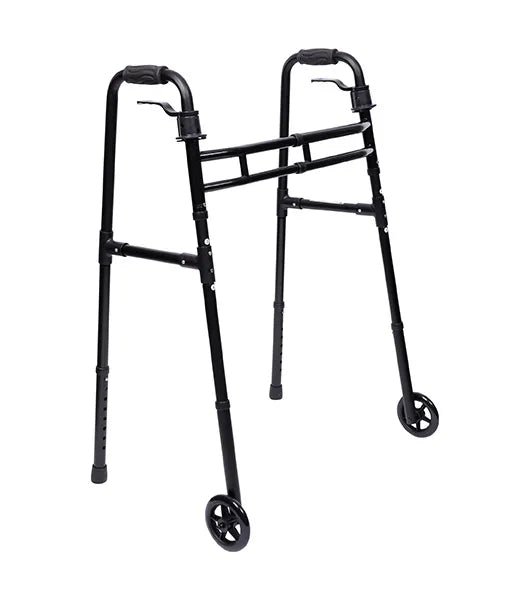
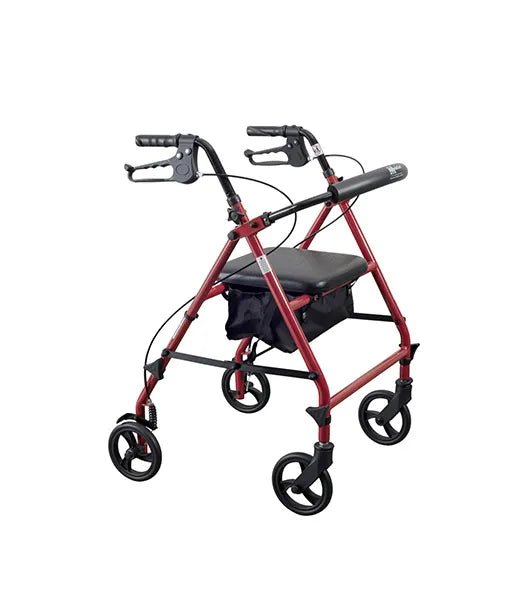
There's a real difference between a standard walker you lift and set down with each step, and a rolling model that moves with you. Standard walkers give the most stability because all four legs plant firmly before you shift weight. Rollators, with wheels and often a seat and brakes, suit someone who tires easily but still has decent balance and grip strength.
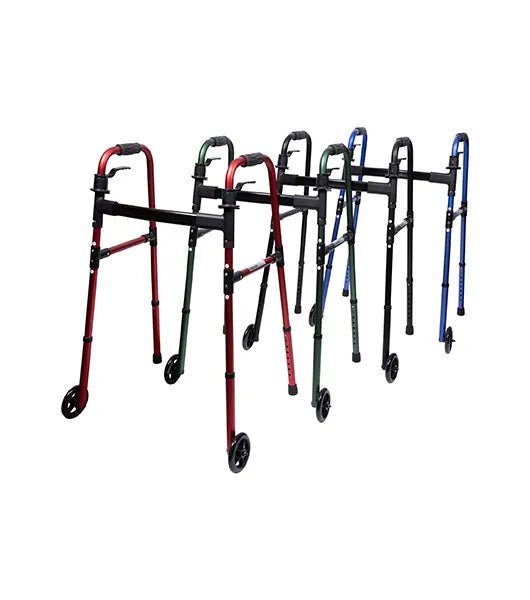
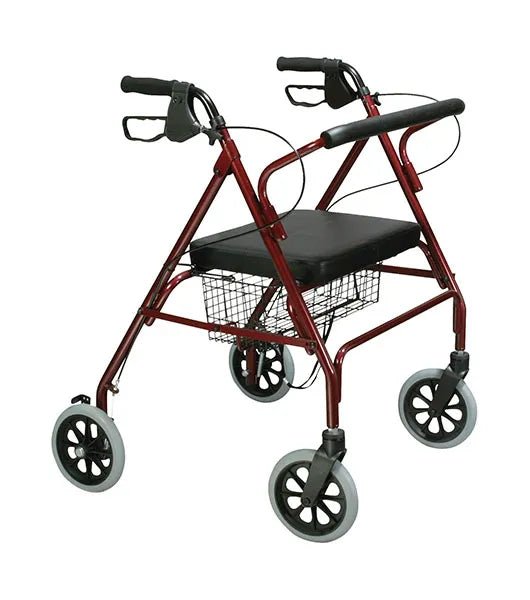
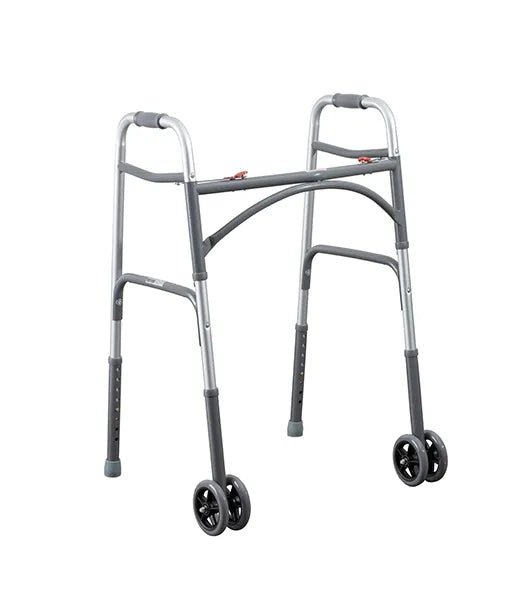
Then you've got the variations most shoppers don't realize exist. Bariatric walkers are reinforced for heavier users and wider frames. Lightweight models matter for anyone with limited upper-body strength, since lifting a heavy frame all day gets exhausting fast. Expandable and adjustable walkers handle unusual heights or growing care needs.
Our Medacure line covers most of these categories, from standard adult frames to bariatric and lightweight builds.
Who's Shopping for a Walker for Elderly Care
Family caregivers make up a big share of buyers here, and honestly they tend to overthink it. They're buying for a parent or spouse and want something that won't embarrass them at the pharmacy or feel like hospital equipment in the living room.
Rehab facilities and assisted-living operators buy differently. They need durable frames that survive constant use across many residents, and they often standardize on one or two models so staff know every unit the same way. Home health agencies fall somewhere in between, outfitting individual clients based on each person's mobility level.
If you're a caregiver, buy for where your person is headed in six months, not just where they are today. Mobility needs rarely stay flat.
What to Look For in a Walker for Elderly Use
Height adjustment comes first. A walker set too high forces someone to hunch, and too low wrecks their posture and their back. The handles should sit at wrist height when the person stands upright with arms relaxed.
Weight capacity is the spec people skip until it becomes a problem. Check it against the actual user plus a margin. Grip comfort matters more than catalog photos suggest, especially for anyone with arthritis.
Think past the walker itself too. A good mobility setup often pairs with the right wheelchair cushions for seated rest, or a transfer bench and bed rails for the bathroom and bedside. If crutches enter the picture during recovery, Medline crutches round out the toolkit. Furnishings like overbed tables and bedside cabinets make the daily routine easier for someone spending more time in one room.
Standard Walker vs Rollator: Which to Buy
Here's where buyers freeze up. The short version: if balance is the main concern, go standard. A four-legged walker without wheels won't roll away, and that stability reassures people who've had a fall.
Pick a rollator if the person walks reasonably well but fatigues, needs to sit and rest mid-trip, or struggles to lift a frame repeatedly. The wheels and seat change the whole experience for someone with stamina issues rather than balance issues. My take: when in doubt between the two, a rollator with lockable brakes gives more room to grow, but don't force one on someone who genuinely wobbles. Match the tool to the actual weakness.
Most households end up wishing they'd thought about the seat and the folding width before ordering. Measure the narrowest doorway in the home. A walker that won't clear the bathroom door is useless no matter how good it is. Scroll through the models below and find the frame that fits your person and your floor plan.
Walker for Elderly FAQ
Q: What's the best walker for elderly people with poor balance?
A: A standard four-leg walker, the kind without wheels, gives the most stability because all four feet plant before any weight shifts. It's the safer starting point for anyone recovering from a fall or dealing with real unsteadiness.
Q: What's the difference between a walker and a rollator?
A: A standard walker you lift and set down with each step, which keeps it stable but takes more effort. A rollator rolls on wheels, usually includes a seat and hand brakes, and suits someone who tires quickly but still has decent balance and grip.
Q: Are there walkers built for heavier or larger adults?
A: Yes. Bariatric walkers use reinforced frames and wider builds to support heavier users safely. Always check the stated weight capacity against the user plus a comfortable margin before ordering.
Q: How do I choose the right size walker?
A: The handle height should match the user's wrist level when they stand upright with arms relaxed, so look for adjustable models. Also measure your narrowest doorway, since a frame that won't clear the bathroom door won't get used.

Shop by Collection
- Stryker Stretchers
- Ambulance Stretchers
- Ferno Stretchers
- Used Ferno Stretchers
- Stryker Power-PRO XT
- Stryker Power-PRO 2
- Stryker MX-PRO
- Stryker Electric Stretchers
- Stryker Stair Chairs
- Ferno Stair Chairs
- Stryker Powered Stair Chairs
- Stryker Accessories
- Stryker Stretcher Parts
- Stryker Parts Online
- Stryker Fasteners
- Ferno Accessories
- Ferno Stair Chair Parts
- Stretcher Straps
- Stryker Stretcher Mattresses
- Wheelchair Lift Parts
- Braun Wheelchair Lift Parts
- LIFEPAK 15
- LUCAS Chest Compression
- Medical Devices
- Spine Boards
- Scoop Stretchers
- Transfer Boards
- ZOLL
- Patient Transport Equipment
- Stryker
- Ferno