

How much time does the person in your care spend sitting, and is the chair they're in actually holding them up right? A medical recliner answers that question in a way a regular armchair never will. These are built for long sitting hours, repositioning, and the kind of support a standard recliner was never designed to give. Whether it's a resident who needs to be out of bed for meals or a patient recovering after a procedure, the chair does real work.
What Sets a Medical Recliner Apart From a Living-Room One
The difference shows up in the frame and the adjustability. A medical recliner is built to be sat in for hours at a stretch, often by someone who can't shift their own weight well. That means a sturdier base, deeper reclining angles, and in many cases a design that doubles as a geri chair.
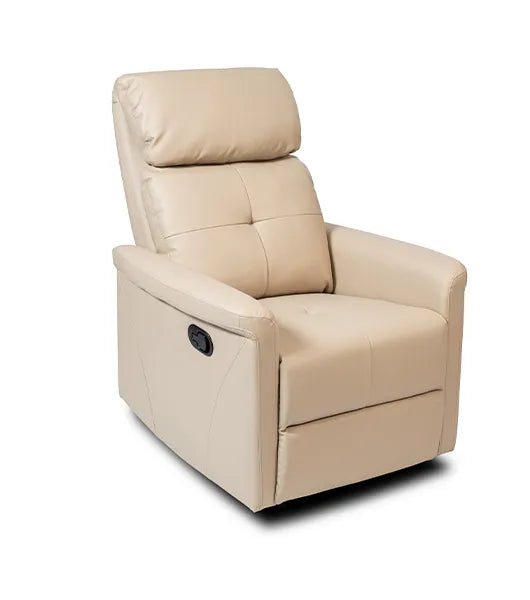
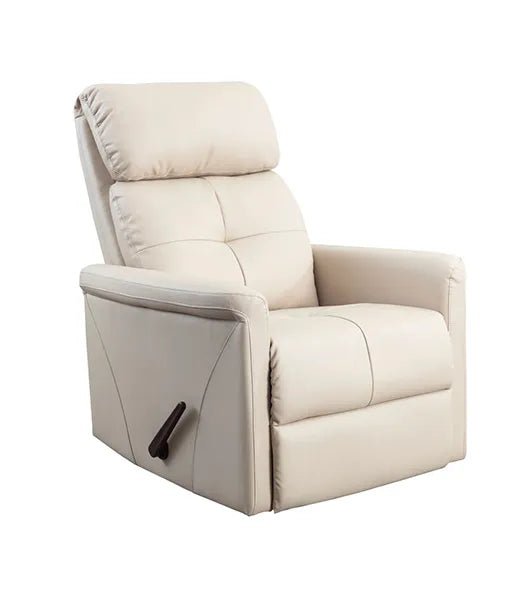
A home recliner tips back and that's about it. A clinical one is made to help with positioning, pressure relief across a long day, and safe transfers in and out. If the user has limited mobility, that gap matters more than almost anything else on the spec sheet.
Geri Chairs and Other Recliner Options
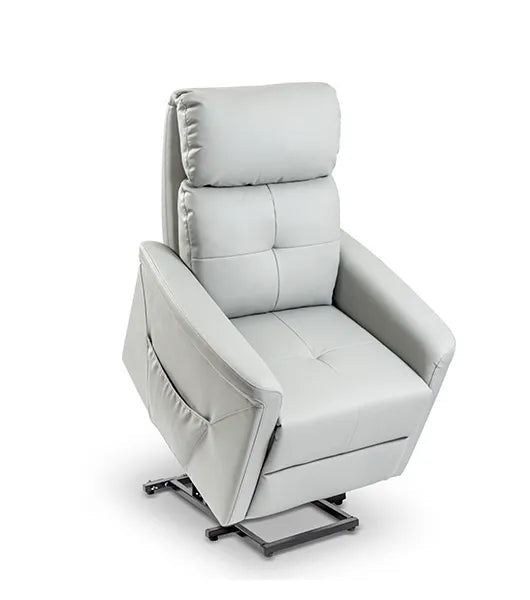
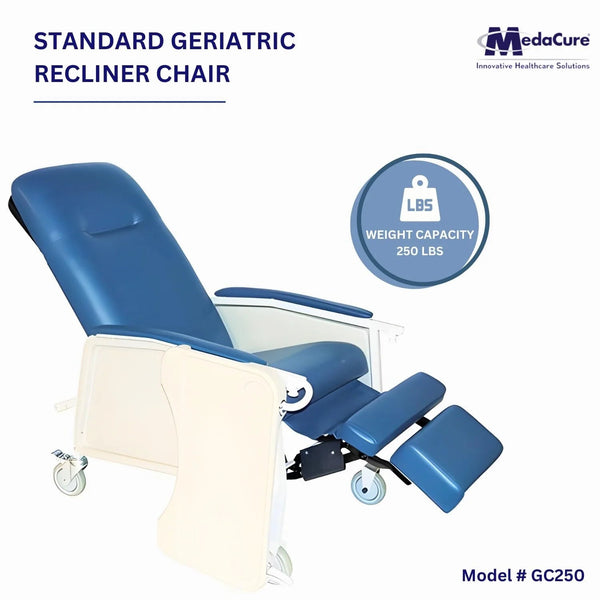
Our Medacure line covers the recliner and geri chair side of things, and that's where most senior-care and hospital buyers end up looking. A geri chair is the workhorse of this category. It reclines, it supports, and it's built for long seated hours.
Shoppers in this space tend to compare a few things: the recline range, how easy the chair is to clean, and whether it pairs with the rest of a room setup. If you're outfitting a space, it's worth pairing the recliner with a few companion pieces. A bedside nightstand or cabinet keeps essentials in reach, and an overbed table works just as well next to a recliner as it does next to a bed. Rounding out a room with bed rails and assist bars helps with the transfer in and out of the chair.
Who's Ordering These
Senior-care facilities buy the bulk of them. A resident who shouldn't stay in bed all day but can't sit upright unsupported needs a chair that does the holding. That's the core use case.
Hospitals and clinics use a medical recliner for recovery areas, infusion rooms, and anywhere a patient sits for a long treatment. The reclining function lets staff adjust the person without a full transfer.
Home caregivers are the third group, and they're often the most particular. When you're the one lifting, repositioning, and cleaning, you notice every detail. A caregiver buying a medical recliner for a parent at home cares less about bulk pricing and more about whether one person can manage it alone.
What to Look For Before You Order
Start with the user, not the catalog. How much do they weigh, how much can they shift on their own, and how many hours a day will they be in the chair? Those three answers narrow the field fast.
Then look at the recline mechanism. Smooth, controlled angles beat a chair that drops back in one hard motion. Cleanability is next, because a wipe-down surface in a care setting isn't optional. And check the footprint against the room. A recliner that won't clear a doorway or sit flush against a wall becomes a daily headache (ask anyone who's tried to shove an oversized chair past a bed rail).
My honest take: don't buy the cheapest chair in the category if the user is in it all day. The frame and the recline control are where the money goes, and skimping there is the thing people regret.
Medical Recliner vs a Standard Lift Chair
Buyers often cross-shop these two, so here's the straight version. A lift chair tilts forward to help someone stand on their own. A medical recliner is built for support and positioning while seated, often for someone who can't stand without help at all.
If the user can bear weight and mostly needs a boost getting up, a lift chair might be enough. If they're spending long hours seated and need real support plus repositioning, go with the medical recliner. For heavier sitting demands and clinical settings, the recliner wins almost every time. Browse the Medacure recliners and geri chairs and see which build matches the person you're buying for.
Medical Recliner FAQ
Q: What's the difference between a geri chair and a medical recliner?
A: A geri chair is a type of medical recliner, built for senior care and long seated hours. The term "medical recliner" covers a broader set of clinical seating, but in practice most buyers in senior care are shopping the geri chair style.
Q: Are there bariatric medical recliner options?
A: Weight capacity varies by model, so check the stated capacity against the user's needs before ordering. For heavier users, look specifically at frame rating rather than assuming a standard chair will hold. Our Medacure recliner line is a good place to start comparing.
Q: Who should buy a medical recliner instead of a regular recliner?
A: Senior-care facilities, hospitals, infusion and recovery areas, and home caregivers managing someone with limited mobility. If the person can't reposition themselves or sits for many hours a day, the clinical build earns its price.
Q: What makes one medical recliner worth more than another?
A: Frame strength, the recline mechanism, and how easy the surface is to clean are where the real cost differences live. A smooth, controlled recline and a durable, wipeable build hold up far better in daily use than a budget chair that looks similar on paper.
Shop by Collection
- Stryker Stretchers
- Ambulance Stretchers
- Ferno Stretchers
- Used Ferno Stretchers
- Stryker Power-PRO XT
- Stryker Power-PRO 2
- Stryker MX-PRO
- Stryker Electric Stretchers
- Stryker Stair Chairs
- Ferno Stair Chairs
- Stryker Powered Stair Chairs
- Stryker Accessories
- Stryker Stretcher Parts
- Stryker Parts Online
- Stryker Fasteners
- Ferno Accessories
- Ferno Stair Chair Parts
- Stretcher Straps
- Stryker Stretcher Mattresses
- Wheelchair Lift Parts
- Braun Wheelchair Lift Parts
- LIFEPAK 15
- LUCAS Chest Compression
- Medical Devices
- Spine Boards
- Scoop Stretchers
- Transfer Boards
- ZOLL
- Patient Transport Equipment
- Stryker
- Ferno