Shop Zoll Defibrillator Units for EMS & Hospital Use
3 products
Showing 1 - 3 of 3 products
Spending more doesn't automatically get you a better Zoll defibrillator for your agency, and that's the first thing worth saying out loud. The loaded, top-tier monitor sitting on a shelf does nothing for a BLS crew that needs a grab-and-go unit with clear voice prompts. What matters is matching the device to how your people actually use it, which call types you run, and who's expected to turn it on under pressure. Get that match wrong and you've paid for features nobody touches.
What Sets a Zoll Defibrillator Apart
Zoll has a reputation among EMS folks for a few specific reasons. The guidance during CPR is a big one. Many Zoll units coach rate and depth while someone's doing compressions, which is the kind of thing that changes how a less experienced crew performs on scene. Rescuers tend to push too shallow when adrenaline's running, and real-time feedback helps correct that.
The other thing people bring up is durability. These units get dropped, rained on, and shoved into bags that bounce around in the back of a truck. Buyers in this category want something that keeps working after that kind of abuse.
Zoll Defibrillator Types: AED vs Professional Monitor
Broadly, you're choosing between two families. There's the AED side, built so almost anyone can follow the prompts and deliver a shock. Then there's the monitor/defibrillator side, which is heavier gear meant for paramedics who read rhythms and manage a patient over a longer transport.
The AED units are what you'd put in a school hallway, a gym, or a first-response vehicle where the operator isn't a clinician. The professional monitors belong on an ALS rig or in a hospital code cart where trained hands are making decisions. Figure out which side of that line your use case falls on before you look at anything else.
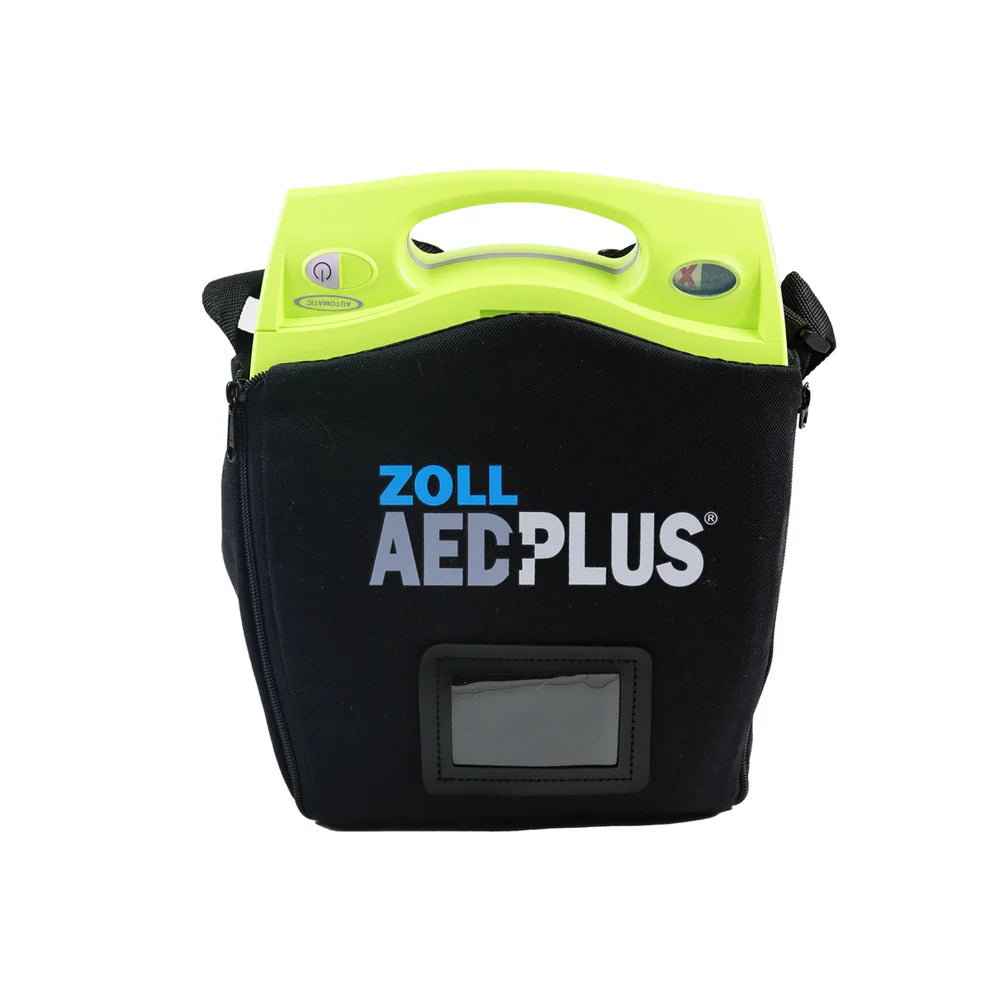
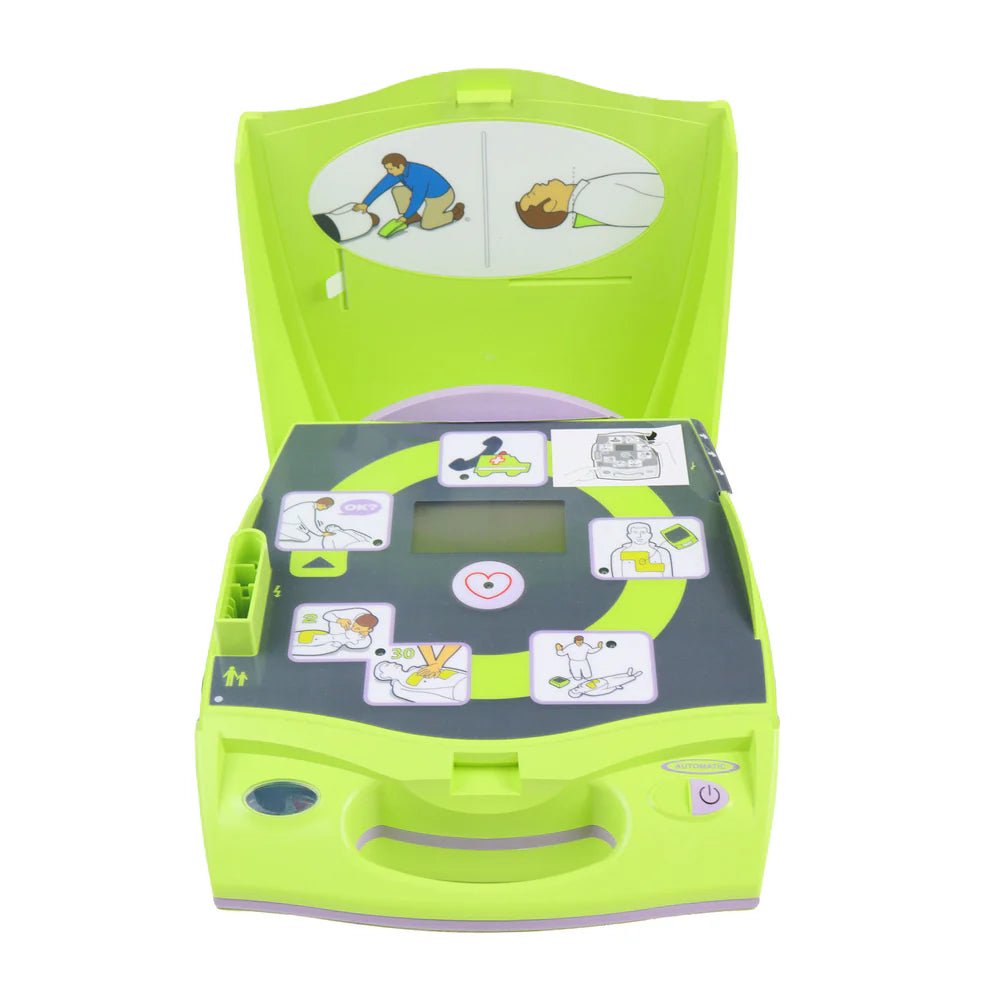
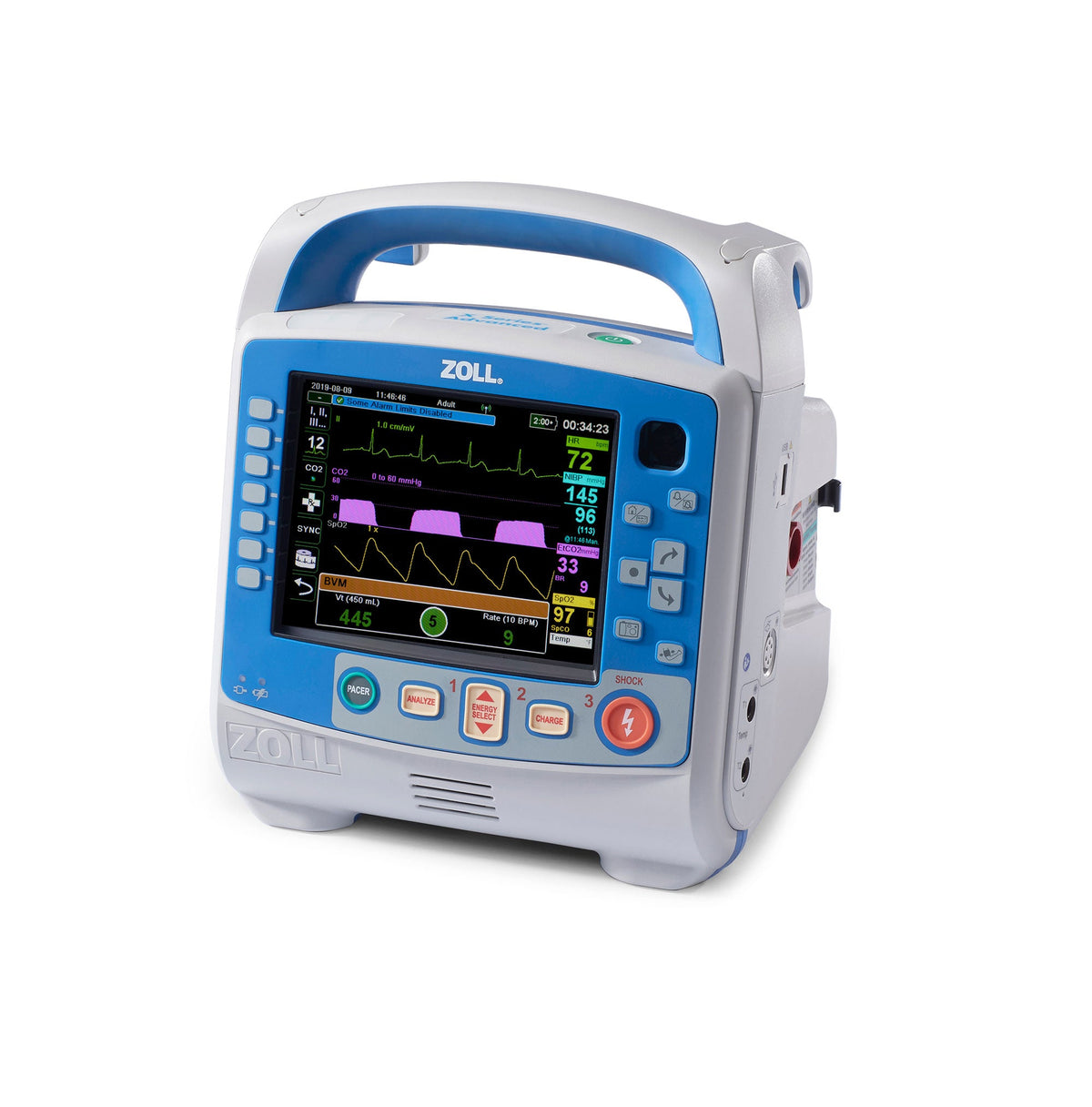
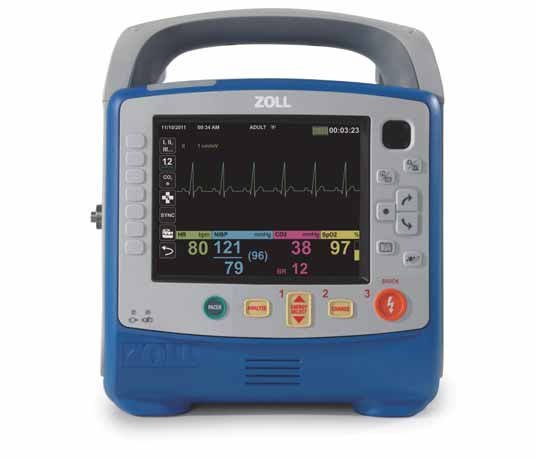
Right now our Zoll defibrillator listings include the ZOLL AED Plus and ZOLL X Series monitor/defibrillators, including a refurbished X Series Advanced and a used X Series 12-lead monitor. Condition varies by listing, so check each product page. For the full range of Zoll products including cables, batteries and carry cases, browse our ZOLL collection, or compare Automatic External Defibrillators.
Who's Buying a Zoll Defibrillator
Hospitals usually want the advanced monitors tied into their existing protocols, with a pacing option and the ability to log data for review. They're also replacing aging fleet units, so consistency across departments matters to them.
EMS agencies split based on service level. A BLS squad leans toward a straightforward AED. An ALS provider needs the manual capability and the monitoring depth.
First aid squads and volunteer organizations are often working against a tight budget, which is where refurbished gear earns its place. If you're outfitting a whole fleet, standardizing on one Zoll defibrillator model across every vehicle saves your training time and your maintenance headaches later.
How to Choose the Right Zoll Defibrillator
Start with your operators. If the person most likely to grab it isn't a paramedic, prioritize simple prompts over advanced features every time.
Check the consumables plan next. Pads expire. Batteries age out whether you've used the unit or not, and a monitor that powers on fine can still fail an inspection because of a lapsed electrode date. Know what replacement pads and batteries cost before you commit, not after.
Confirm the condition on the listing. Refurbished and used units should be described on the product page, and you'll want to know the battery situation on any used buy. And if you run transfers alongside your cardiac calls, it's worth looking at the rest of the rig setup too, from Ambulance Stretchers to Stair Chairs.
Zoll Defibrillator vs Other AED Brands
Here's my honest take. If CPR feedback is a priority for your crew, a Zoll defibrillator is hard to beat and I'd steer most mixed-skill teams toward it. Other brands make solid units, and some run cheaper on consumables over time, which matters if your call volume is high. If you're weighing Zoll against Physio-Control, see our LIFEPAK collection too.
Zoll Defibrillator FAQ
Is a Zoll defibrillator worth buying used or refurbished?
It can be, as long as the listing is clear about condition and the battery and pads are current. Always confirm the consumables situation before you buy.
What's the difference between a Zoll AED and a Zoll professional monitor?
An AED is built for minimally trained operators and guides them through the whole process with prompts. A professional monitor/defibrillator is for paramedics who read rhythms and manage patients over longer transports. One belongs in a lobby, the other on an ALS rig.
Who typically buys Zoll defibrillators?
Hospitals, EMS agencies, first aid squads and fire departments are the main buyers. BLS crews and public-access settings tend toward AEDs, while ALS providers and hospital code teams need the advanced monitors with pacing and data logging.
How do I keep a Zoll defibrillator ready for use?
Track your pad and battery expiration dates, since a unit that powers on can still fail inspection on lapsed consumables. Run your scheduled self-tests and keep records. Replacement pads and batteries should be stocked ahead of time, not ordered after something expires.