
Physio-Control / Stryker
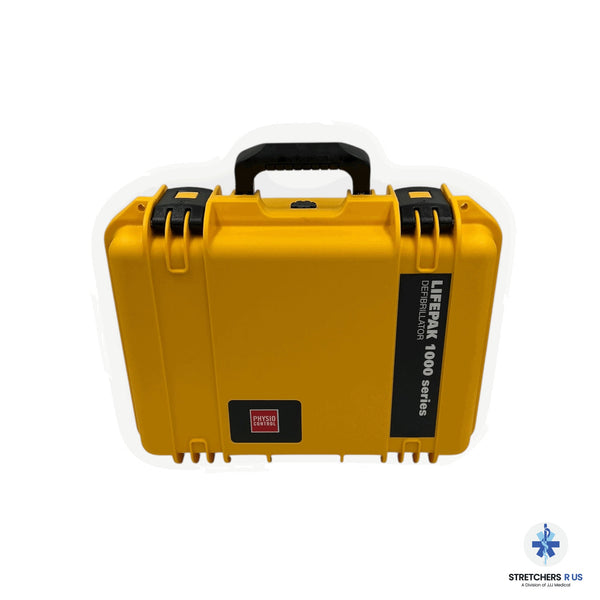
Stryker Physio-Control Lifepak 1000 Watertight Hard Shell Carrying Case - 11260-000023
From $249.99
If you're running a busy service and torn between a basic AED and a full monitor, buy the LIFEPAK defibrillator that matches how your crews actually work, not the one with the longest feature list. A simple squad covering a school or office rarely needs the same box a 911 rig carries. Spend where the calls demand it and nowhere else.
A LIFEPAK defibrillator covers a range that runs from grab-and-go public access AEDs up to monitor/defibrillators built for paramedics. The small end is meant for bystanders and lay responders, with voice prompts walking someone through a shock. The big end lives on an ambulance, feeding 12-lead data and vitals to a hospital before the patient ever arrives.
That spread matters when you order. A device sized for a lobby and one sized for cardiac care aren't interchangeable, and buying the wrong tier wastes money either way.
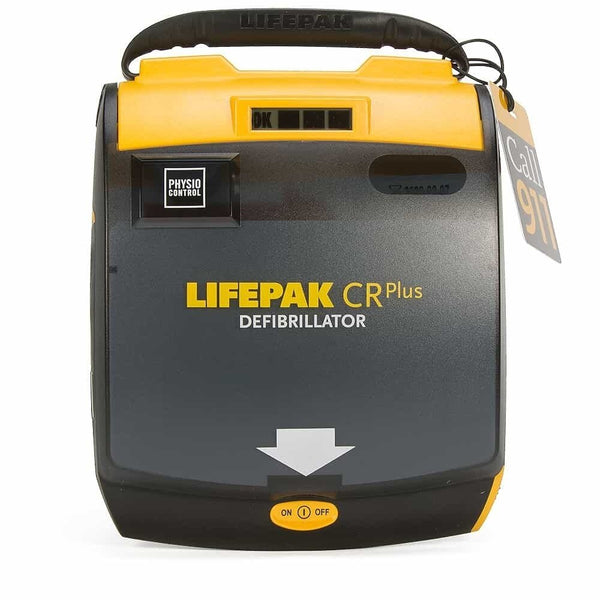
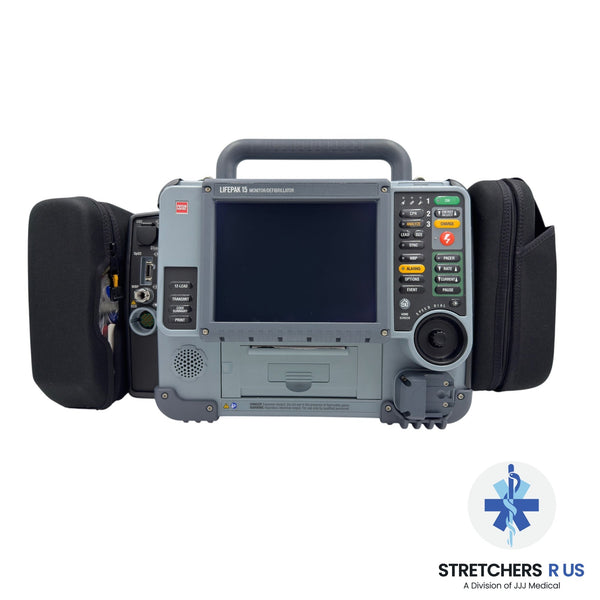
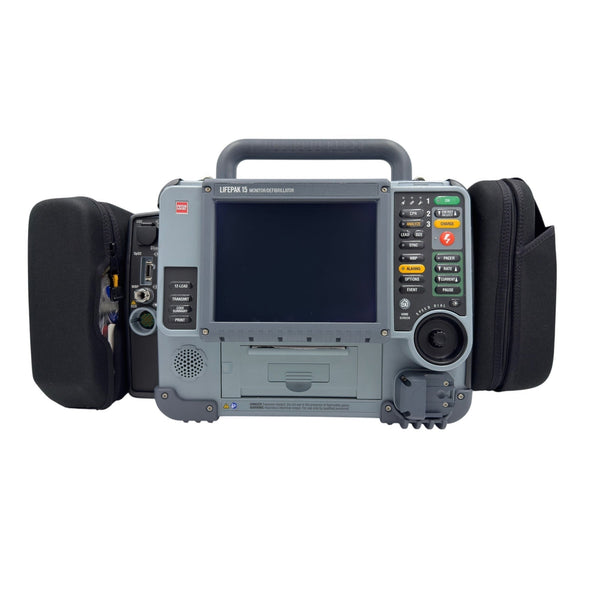
Our current LIFEPAK defibrillator listings are the Stryker Physio-Control LIFEPAK 15 V2 and V4 monitor/defibrillators, both listed as refurbished, and the LIFEPAK CR Plus AED, listed as recertified with pads and battery. We list units as they come in, so the model mix shifts, and condition varies by listing. Read the specific listing before you assume what you're getting. For parts, cables, electrodes and accessories, browse the full LIFEPAK collection or the LIFEPAK 15 parts.
EMS agencies make up the bulk of the monitor/defibrillator orders. They need pacing, rhythm interpretation, and data that transfers clean to the receiving facility.
Fire departments and first aid squads usually sit in the middle, a defibrillator that's rugged and fast to deploy. Hospitals buy across the range depending on the unit, from crash carts to transport. And public-access buyers (schools, gyms, large offices, manufacturing floors) want something a non-medical person can operate under stress. Each group is solving a different problem, and the right LIFEPAK defibrillator looks different for each.
Start with the consumables, because they're where the real cost hides. Pads expire. Batteries age out whether the unit powers on or not. Before you commit, confirm what's included and when the electrodes and battery were last replaced, especially on a refurbished or recertified unit.
If you're standardizing a fleet, buy consistent models across your rigs. Crews shouldn't have to relearn a layout mid-call. And confirm pediatric capability if your coverage area includes kids, since not every pad set or mode handles younger patients. While you're sourcing, it's worth looking at related Defibrillator and Ambulance Stretcher options in the same order.
Here's my plain take. If the device will mostly sit unused and get operated by someone without clinical training, buy the AED. It's simpler, cheaper to maintain, and designed for exactly that moment.
If paramedics are using it on real calls and need to read rhythms, pace, and push 12-lead data, the monitor is the only real answer. Trying to save money with an AED on an ALS rig just creates a gap you'll feel on the worst call of the month. Match the tier to the training in the room.
It depends on the listing. Our current LIFEPAK 15 monitor/defibrillators are listed as refurbished and the LIFEPAK CR Plus AED is listed as recertified. Check each product page so you know exactly what's arriving.
The AED is built for fast, simple shock delivery by lay or basic responders. The monitor adds rhythm display, pacing, 12-lead, and vitals for paramedic-level care. Pick based on who's operating it and what your protocols require.
Schools, gyms, and offices almost always want a public-access AED with clear voice prompts. Ambulances and ALS crews need the monitor/defibrillator for advanced care and data transfer.
Often, yes. Pads and batteries expire on a timeline regardless of how much the unit's been used, so budget for fresh consumables with any purchase. Confirm the current dates on the listing or ask before you buy.