Shop EMT Trauma Bags: Elite Bags EMS Response Range
13 products
Showing 1 - 13 of 13 products
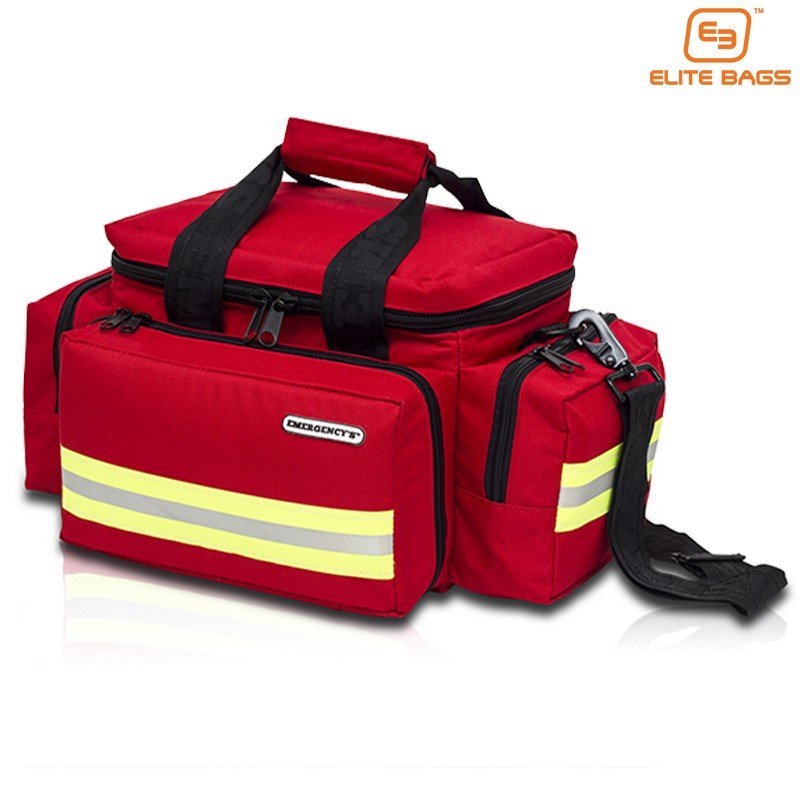
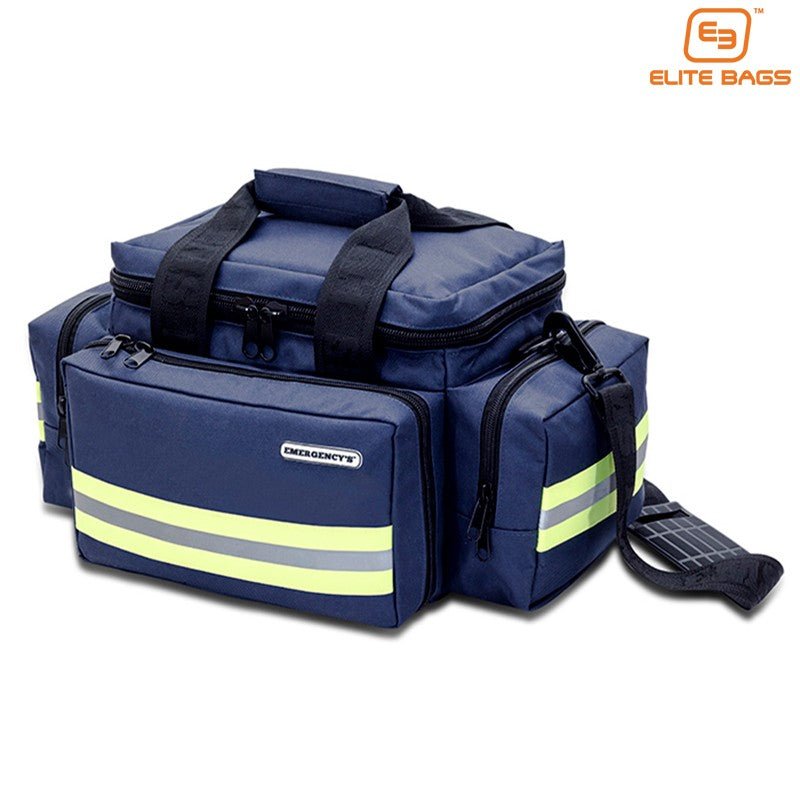
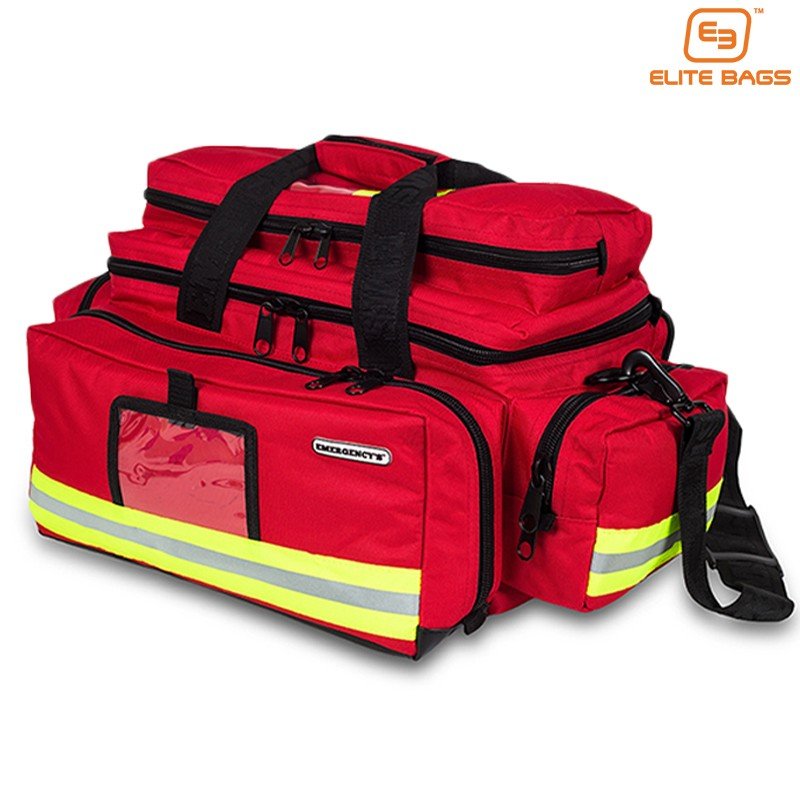
Buy the bag that matches your call volume, not the one that looks the most loaded on a shelf, and an EMT trauma bag from the Elite Bags response range is where I'd start for most US crews. These are working packs made to get opened, dumped, restocked and slammed shut dozens of times a shift. That's the standard I judge them by, and it's the standard your team should too.
What an EMT Trauma Bag Needs to Do on Scene
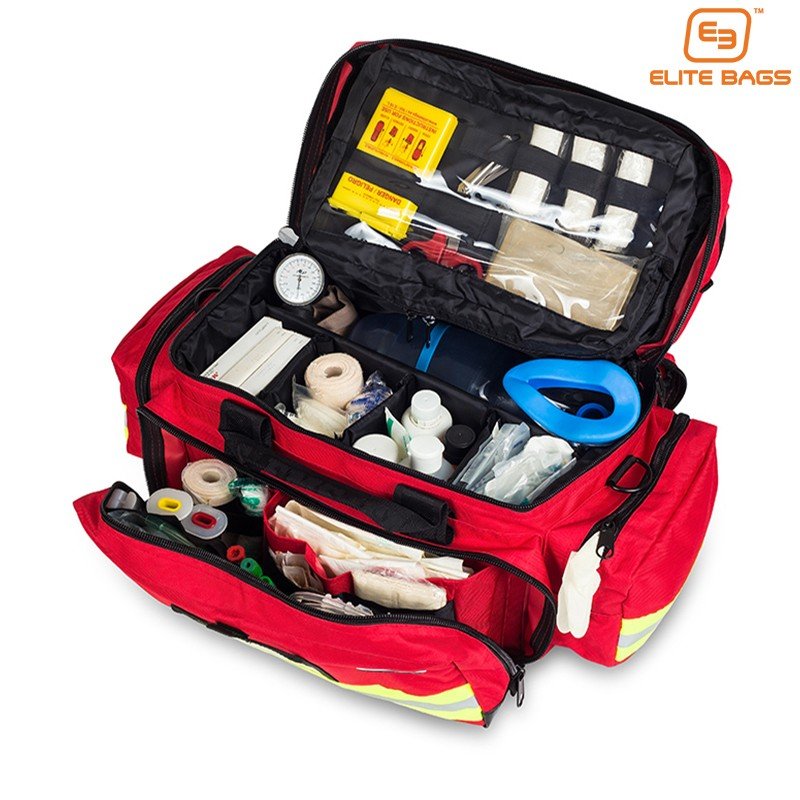
The bag isn't the point. Fast access to the right gear under pressure is the point, and a good EMT trauma bag makes that happen without you digging.
Compartments should be clearly divided so a partner who's never touched your kit can grab a tourniquet on the first try. Zippers take the most abuse, so that's where cheap bags die first. If you're running BLS, you don't need the same footprint as a full ALS setup, and paying for space you never fill is money you could've spent on consumables.
Elite Bags ALS, BLS and Tactical EMS Options
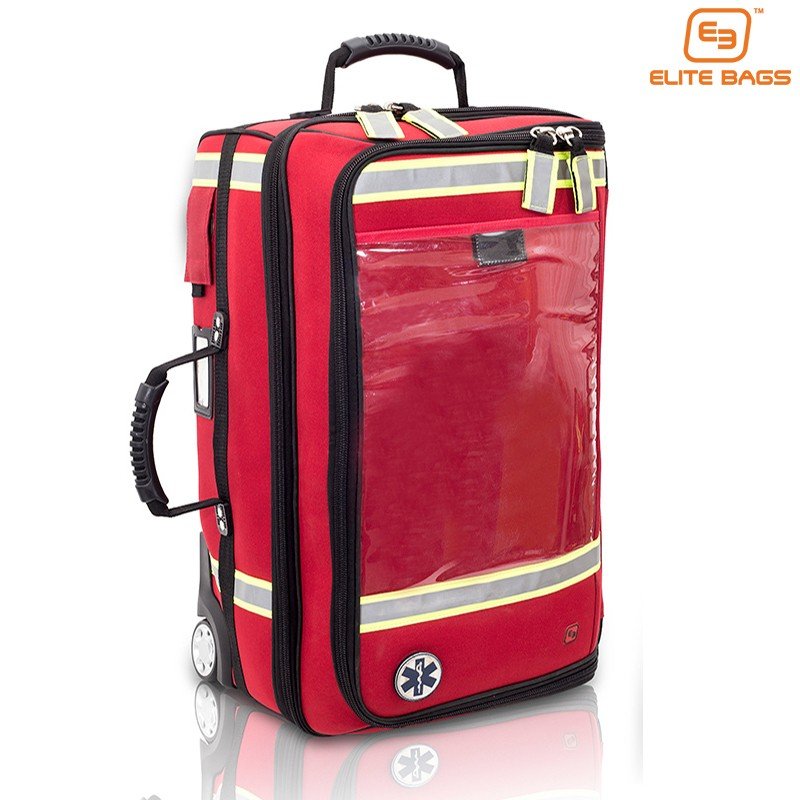
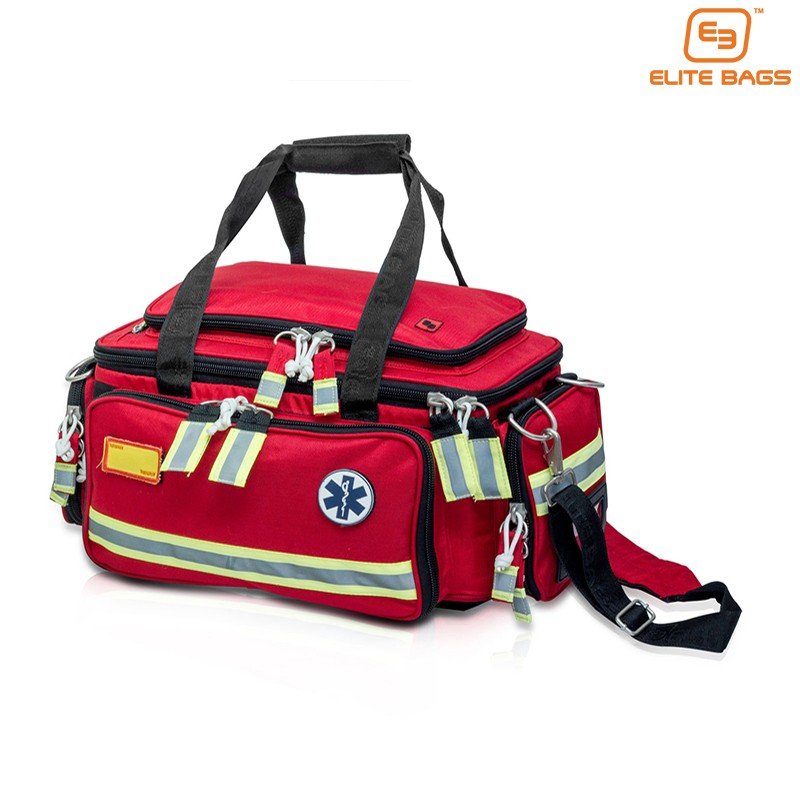
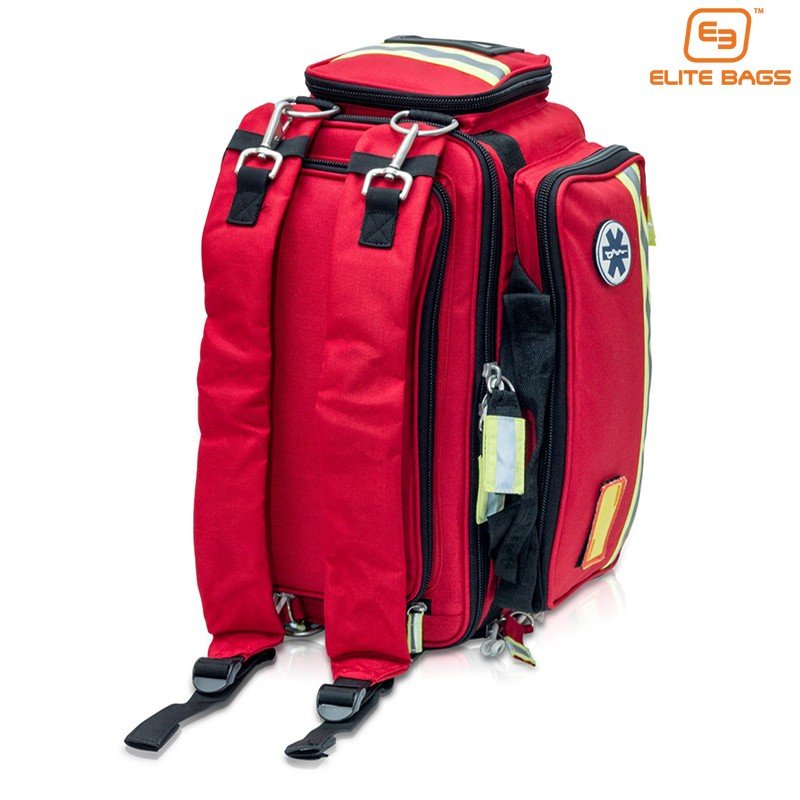
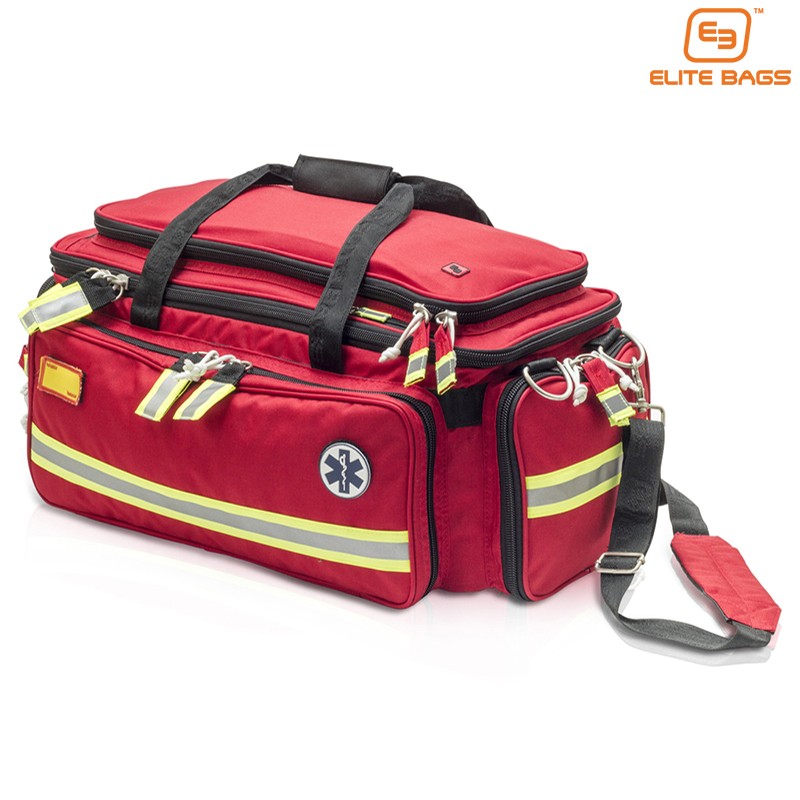
The Elite Bags lineup here covers a few distinct jobs. Critical's ALS bag is the big one, sized for advanced life support gear where you're carrying more meds, airway tools and monitoring supplies. Extreme's BLS bag runs leaner for basic life support runs, which keeps weight and clutter down.
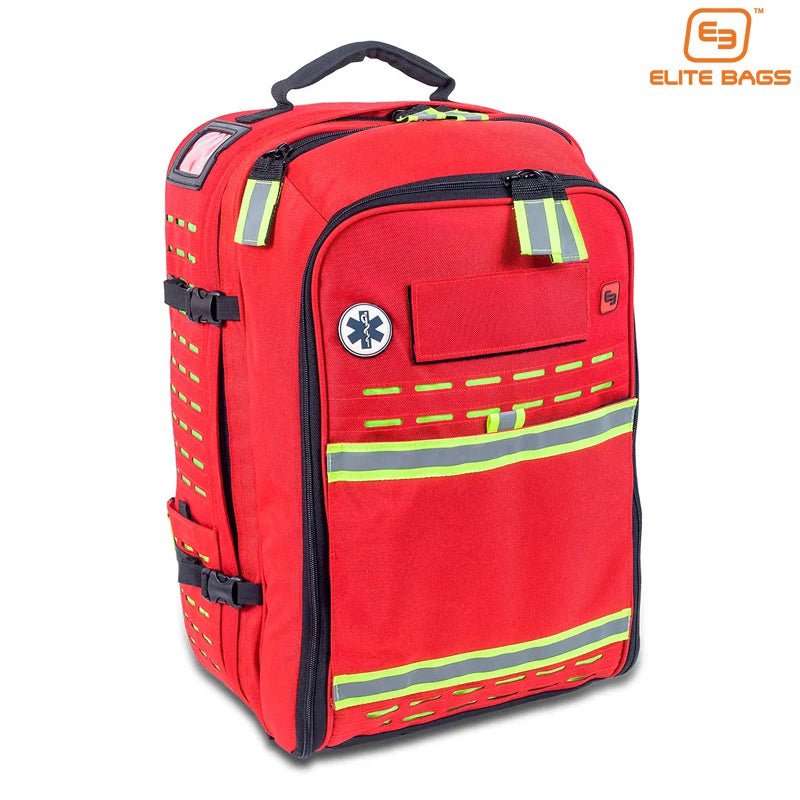
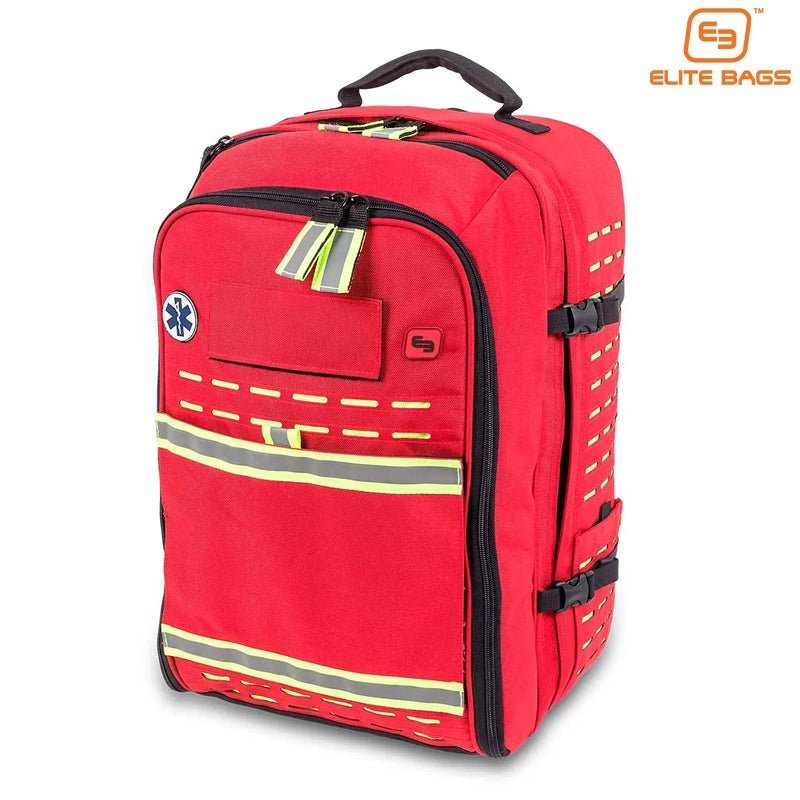
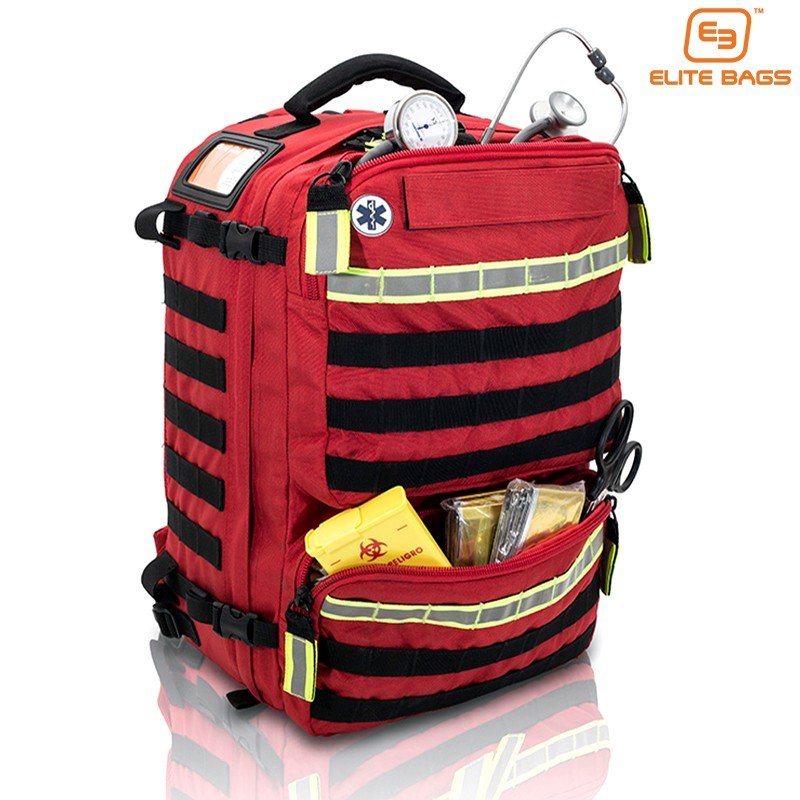
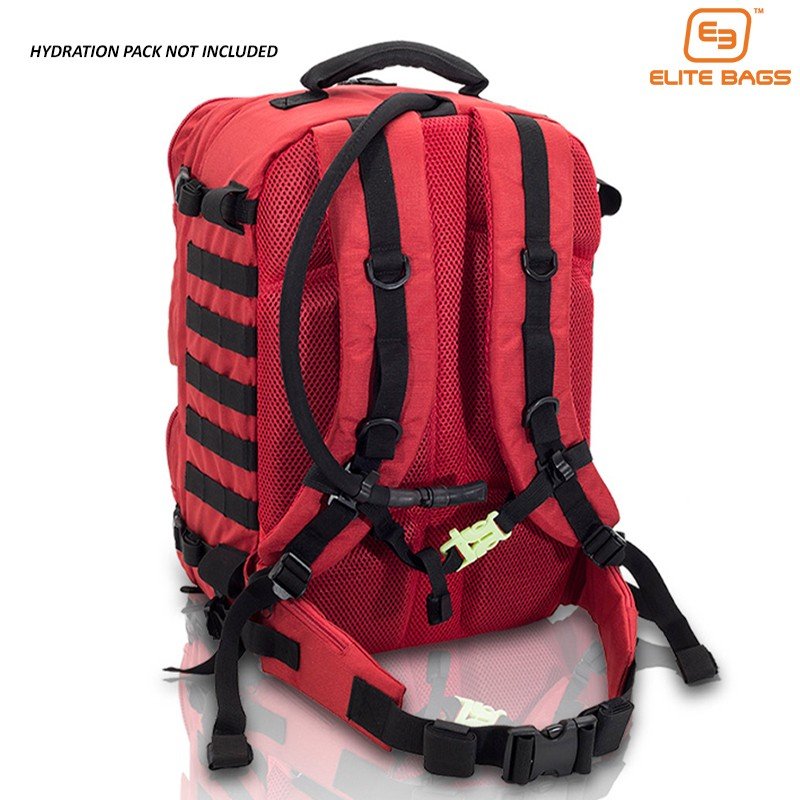
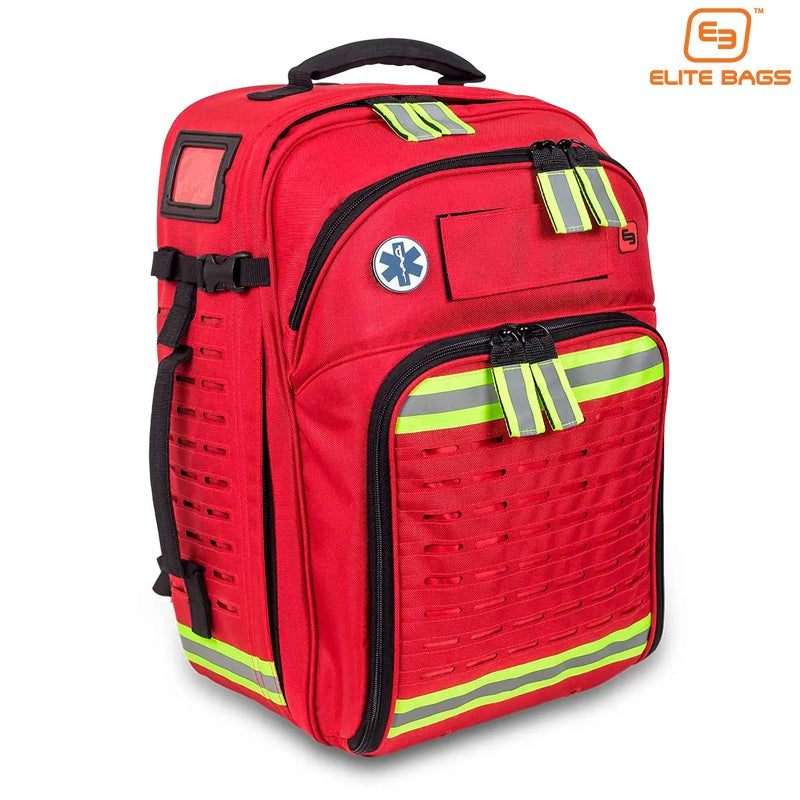
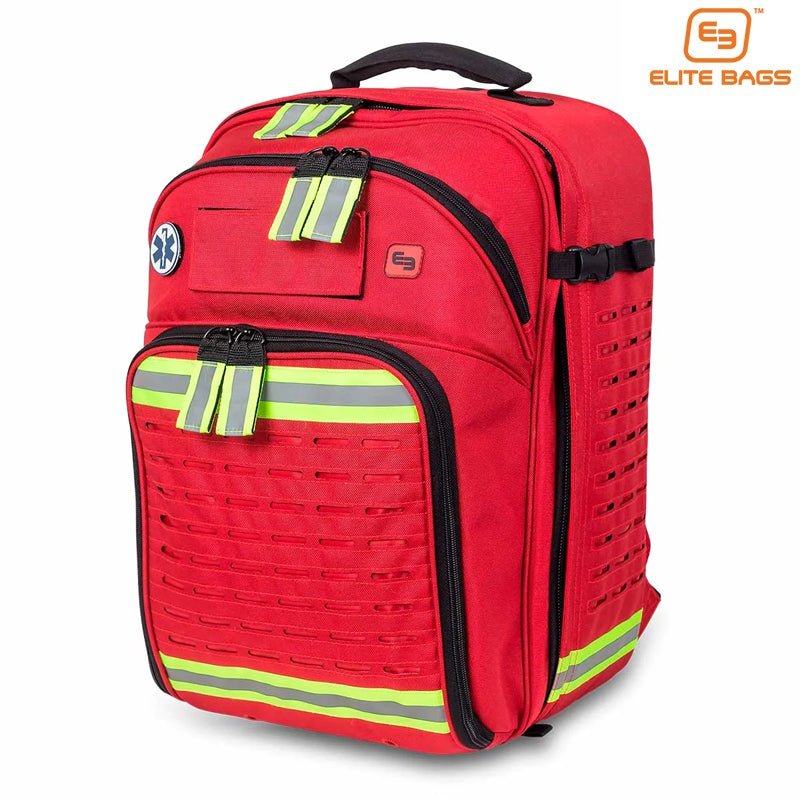
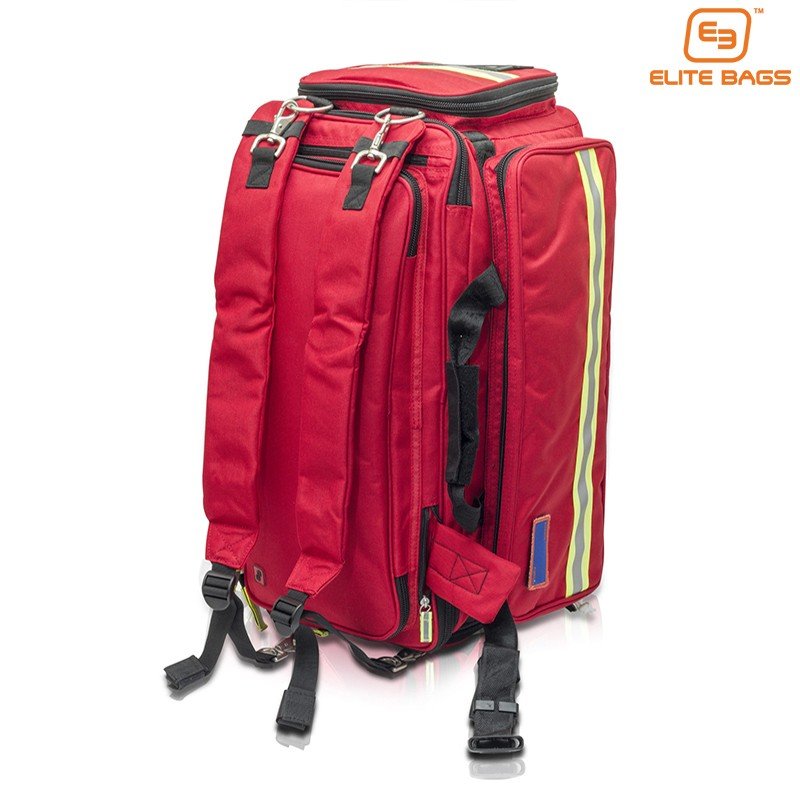
For crews working closer to the ground (tactical medics, event standby, industrial response), Paramed's and Robust's tactical EMS backpacks put everything on your back and free your hands.
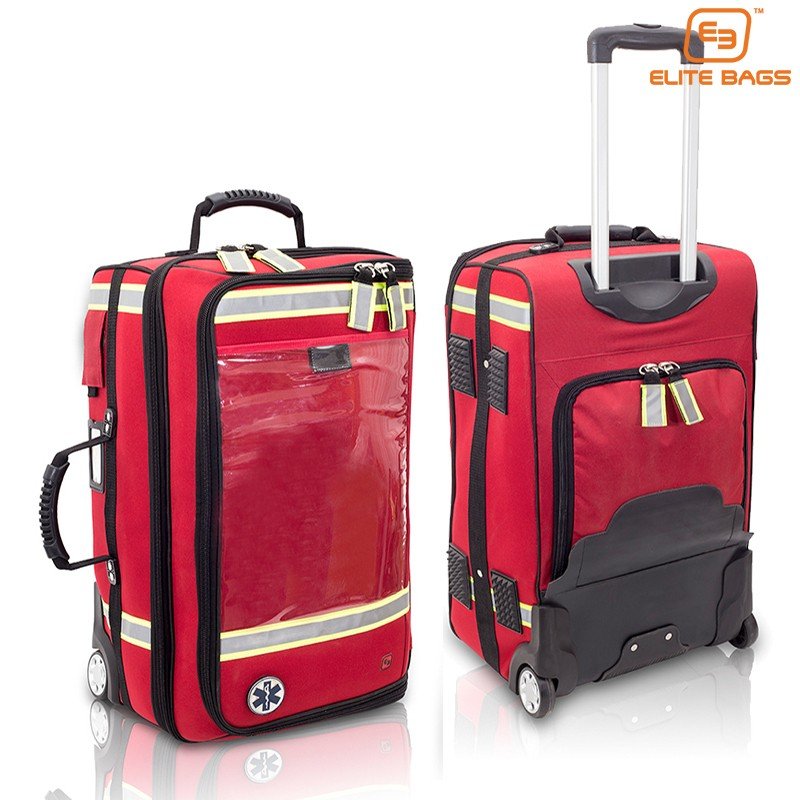
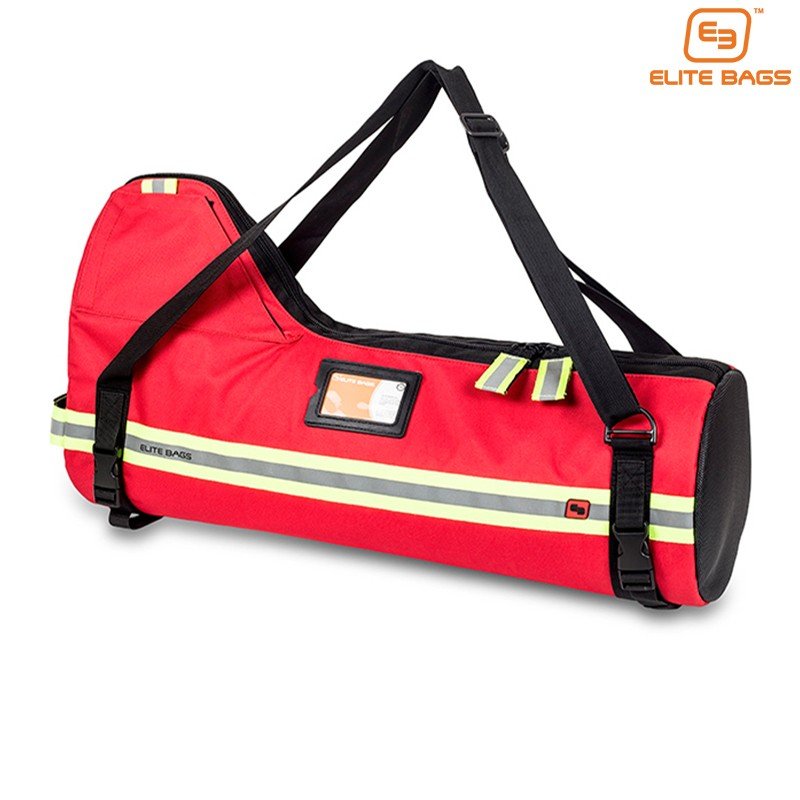
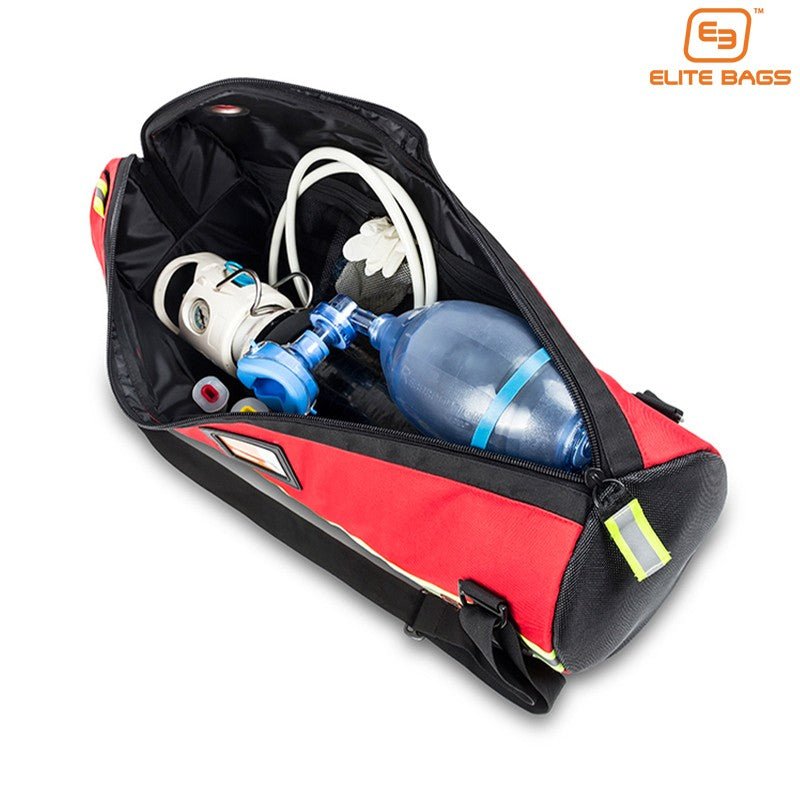
Then there's the oxygen side. Emerair's oxygen delivery trolley backpack and a separate oxygen transport bag handle O2 without you jamming a cylinder into a general kit where it doesn't belong. Two different problems, two purpose-made carriers.
Who Buys These Bags
EMS agencies are the obvious buyers, and most stock more than one type: an ALS bag for the medic unit, a lighter BLS pack for a first-responder rig. Fire departments often want the tactical backpack style for scenes where a rolling bag makes no sense.
Hospitals and care facilities use trauma bags for rapid-response and code teams moving between floors. Home care providers and family caregivers managing someone with real medical needs sometimes want a compact response bag on hand too, though their gear list looks nothing like a street medic's.
If you're outfitting more than the bag itself, our wider trauma bag collection and the Masimo SpO2 sensors pair well with a stocked response kit.
How to Choose an EMT Trauma Bag That Lasts
Start with your call type. Layout and volume follow from there, and buying the wrong size means either overpacking a small bag or hauling a half-empty giant one.
Look at the material and the stitching around stress points. Reinforced corners and heavy zippers matter more than any feature on the tag. And think about how the bag cleans up, because blood, water and grime are part of the job and a bag you can't wipe down becomes a biohazard you keep carrying.
One more thing most people skip: try loading it the way you'd actually pack it before you commit. A bag that looks organized empty can turn into a mess once your real gear goes in.
Entry-Level vs Professional Trauma Bags
Cheap bags show up fast and cost little. They're fine for a low-use setting, a small clinic, a home kit, a backup that lives in a closet. Where they fall apart is daily street use, and I mean that literally. A blown zipper mid-call is the kind of failure you only accept once.
Professional-tier bags like the Elite Bags range cost more because the materials and construction hold up to years of abuse. My honest take: if the bag runs on active EMS duty, skip the bargain tier and buy the one built to survive the shift. You'll pay less over time by not replacing it twice.
Match the tier to the mission. A backup bag and a frontline EMT trauma bag are two different purchases, and treating them the same is where budgets get wasted.
EMT Trauma Bag FAQ
Q: What's the difference between an ALS and a BLS trauma bag? A: An ALS bag is sized and organized for advanced life support gear, more meds, airway management and monitoring supplies, while a BLS bag runs leaner for basic life support runs. Most agencies carry both and match the bag to the crew's certification level.
Q: Does Elite Bags make a backpack-style EMS bag? A: Yes. Paramed's and Robust's tactical EMS backpacks in this range are worn on the back, which frees your hands and works better on rough terrain or scenes where a rolling or shoulder bag gets in the way.
Q: Who should buy a tactical EMS backpack over a standard trauma bag? A: Fire crews, tactical medics, event and industrial responders, and anyone working scenes where you can't set a bag down or roll it. If your calls put you on foot over uneven ground, the backpack style earns its place.
Q: Is a more expensive trauma bag actually worth it? A: For active EMS duty, yes. Entry-level bags fail at the zippers and seams under daily use, and replacing one is more expensive over a couple of years than buying a professional-grade bag once. For a rarely-used backup, a budget bag is fine.