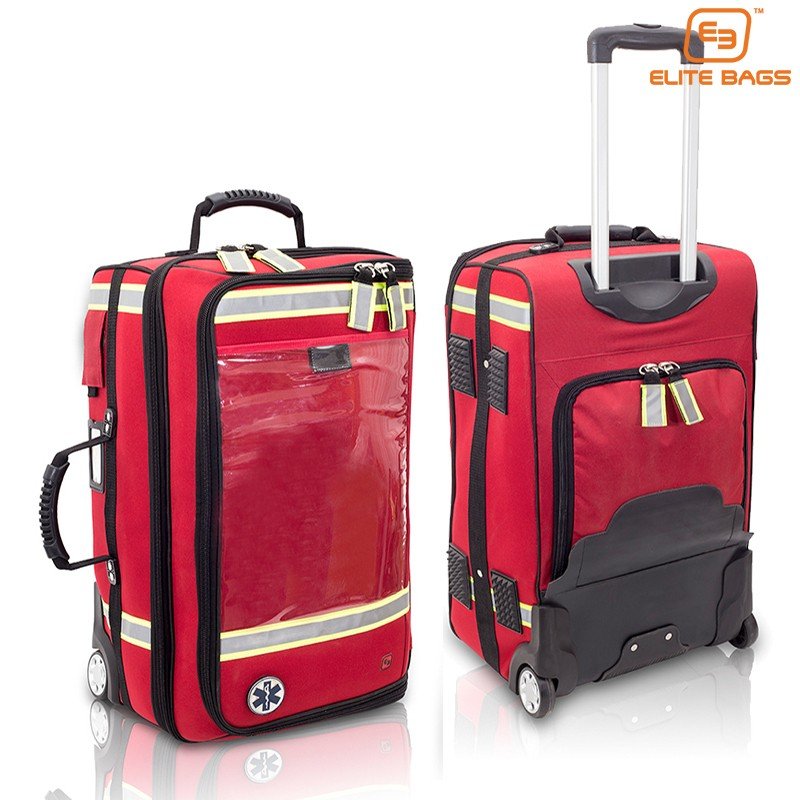
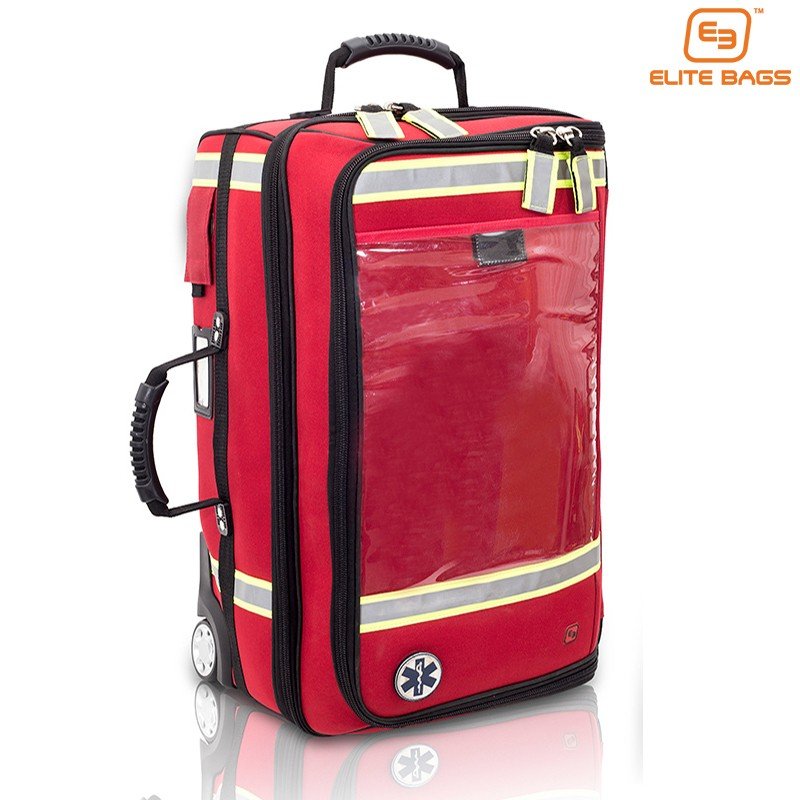
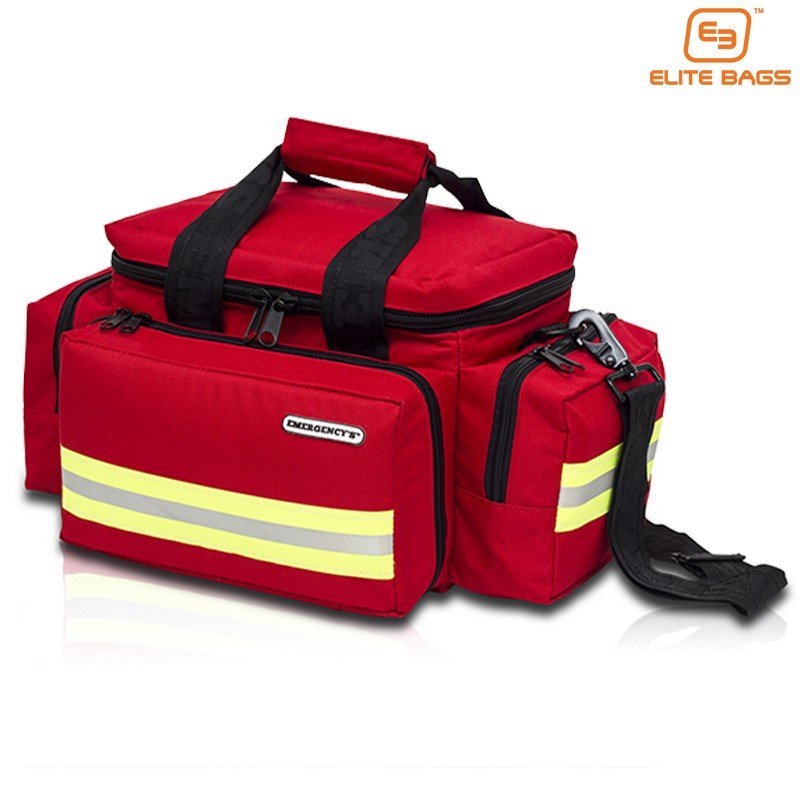
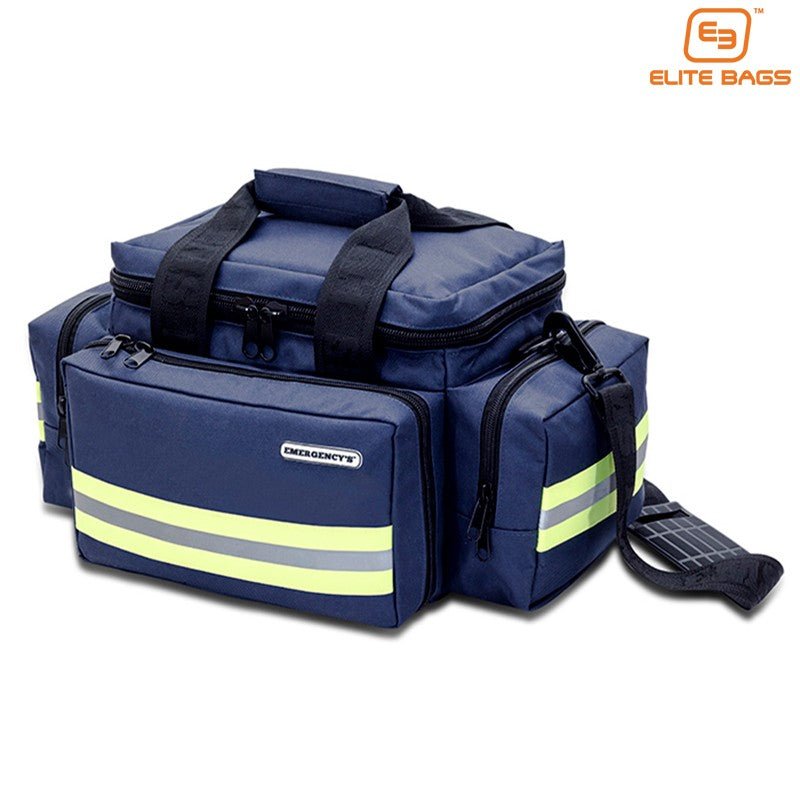
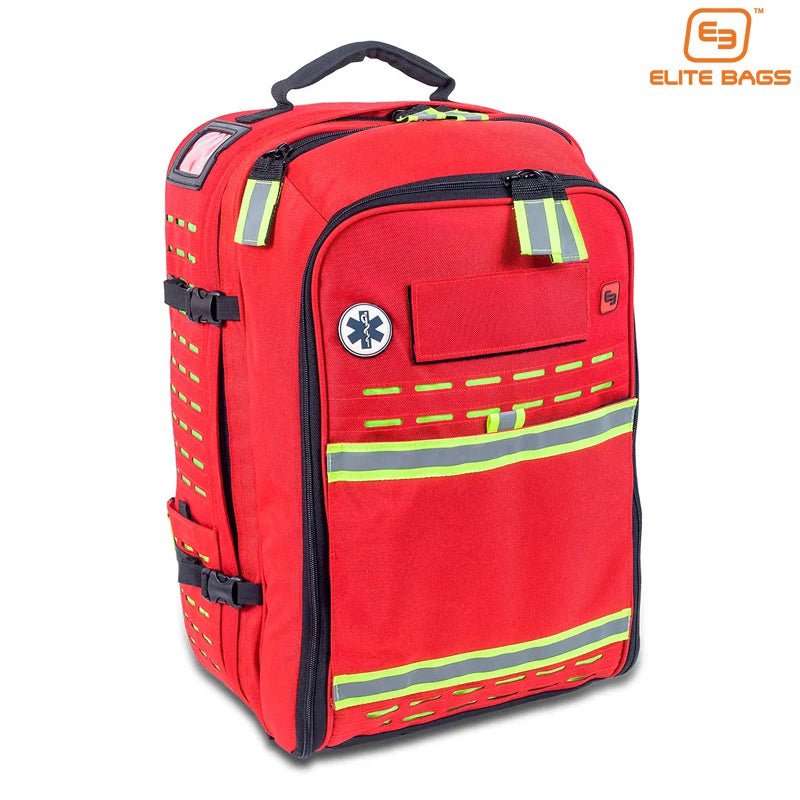
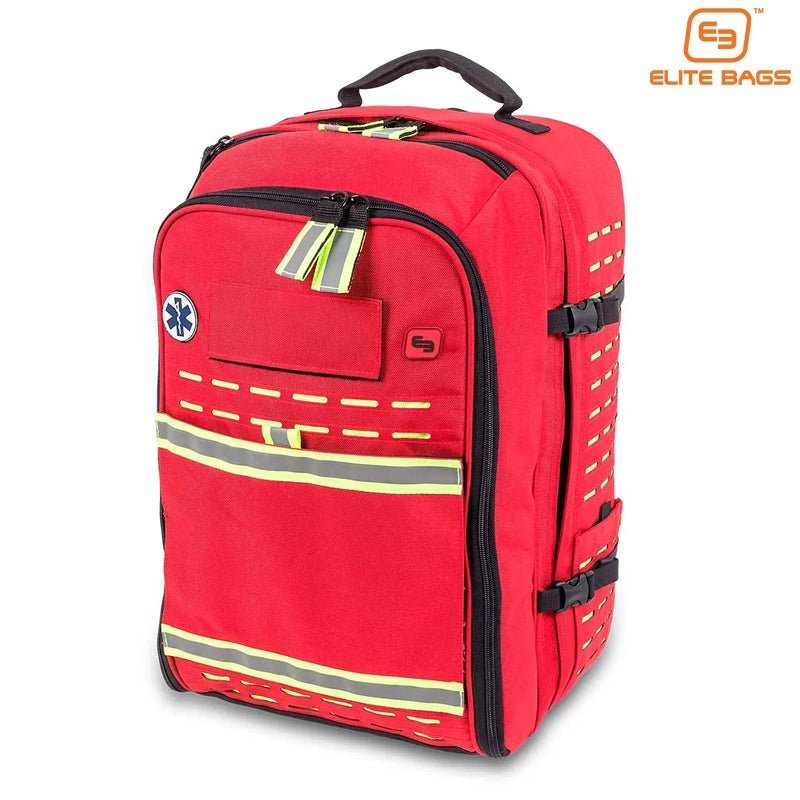
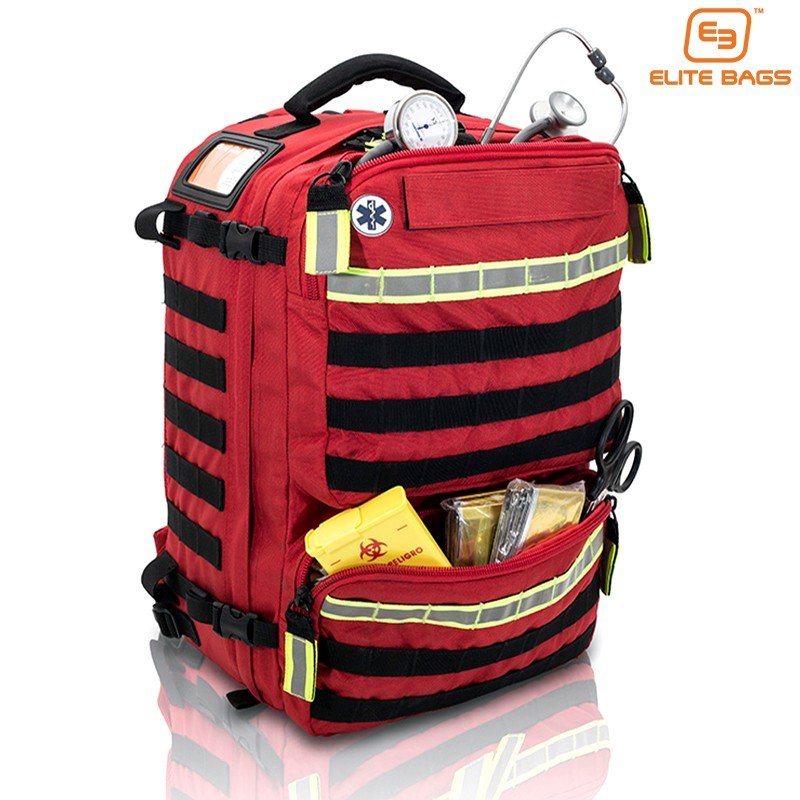
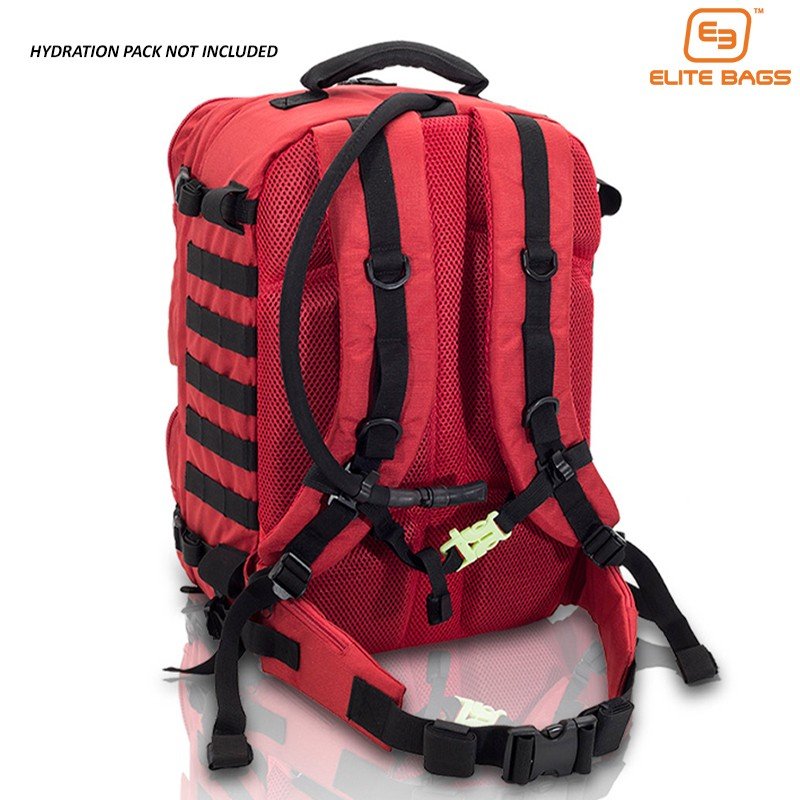
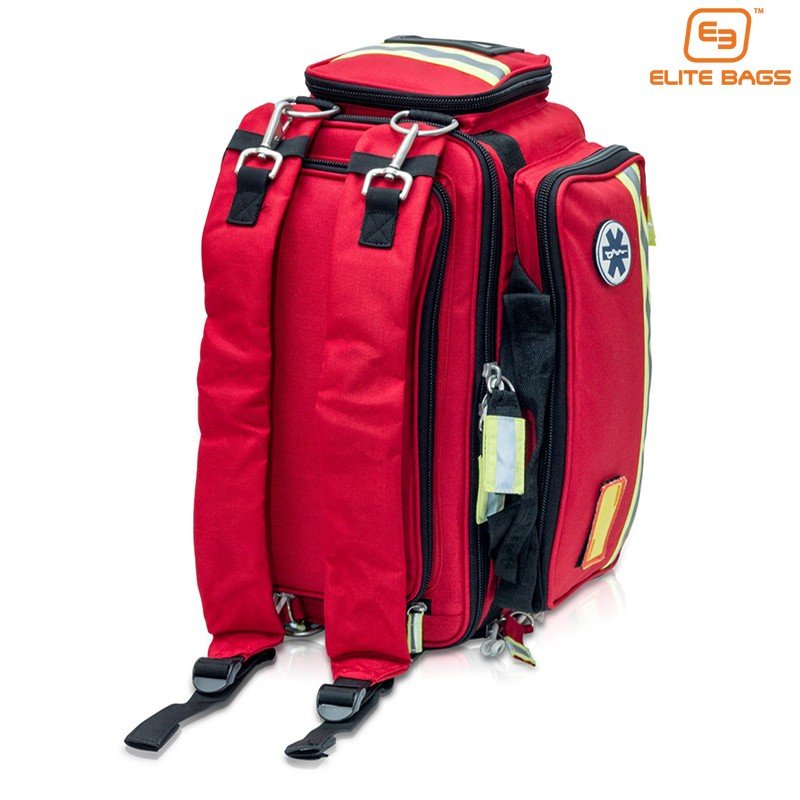
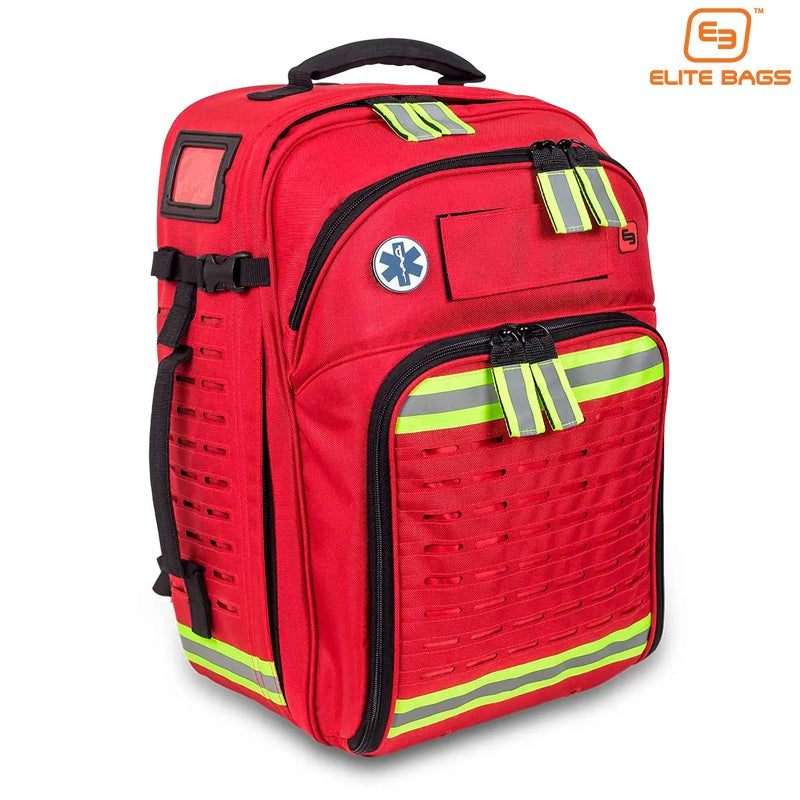
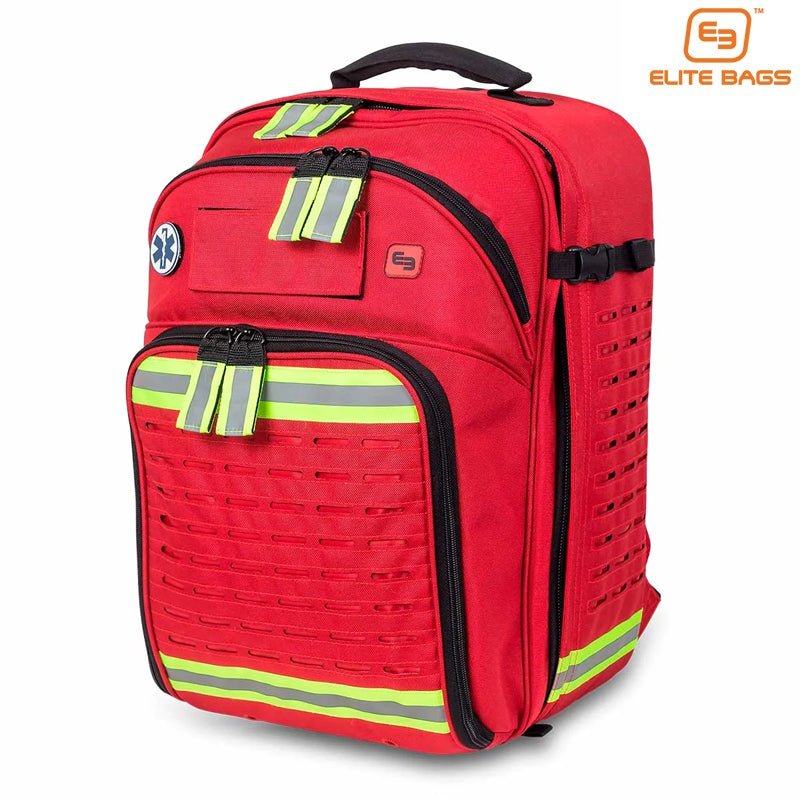
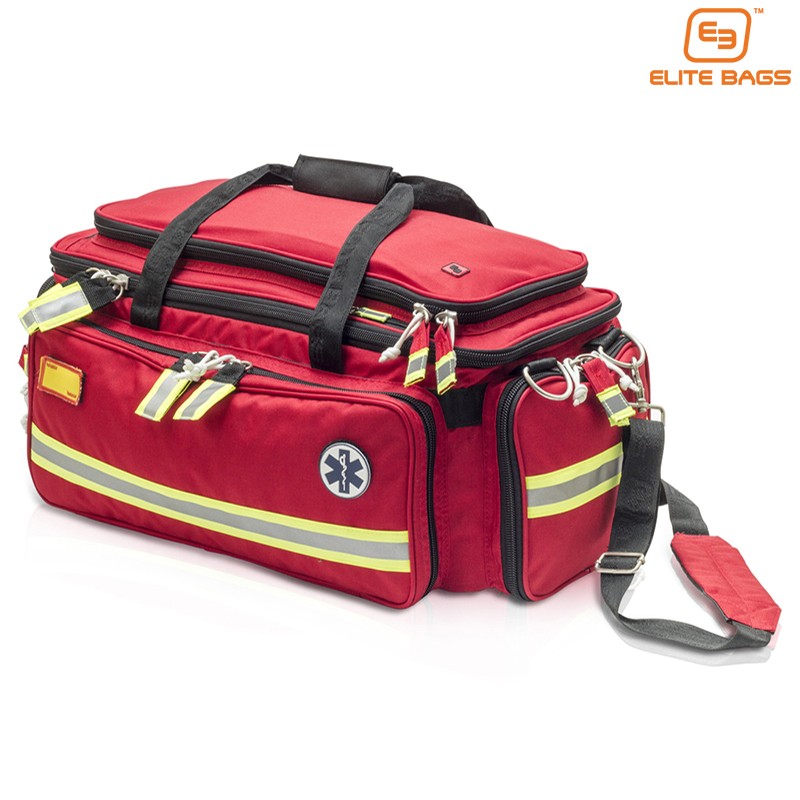
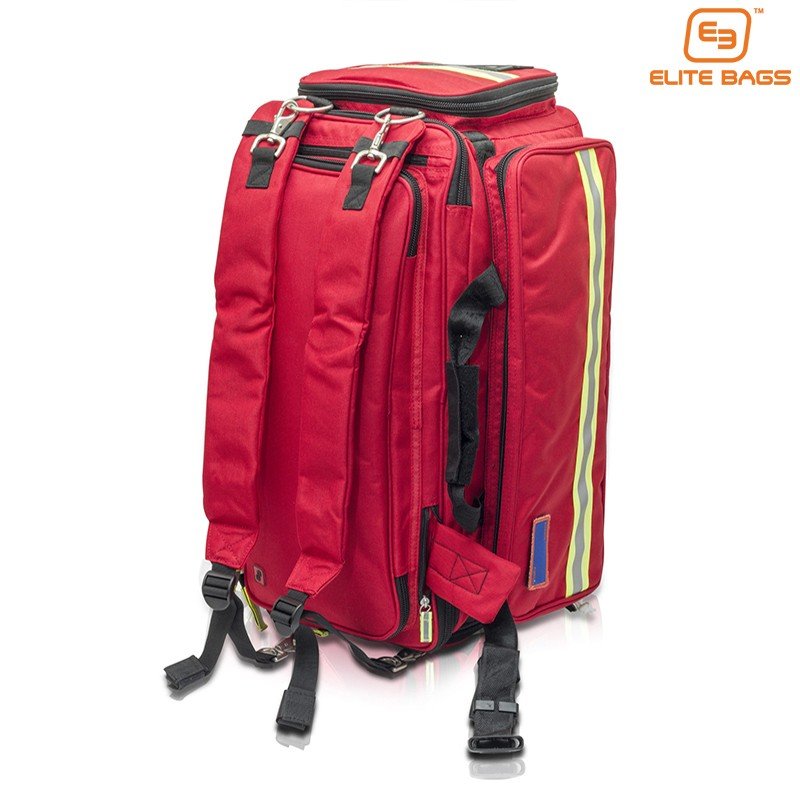
A good trauma bag is the difference between grabbing what you need in three seconds and digging through a mess while the clock runs. Every EMS crew, fire department, and first aid squad we work with has an opinion on what makes a bag worth carrying, and honestly, they're usually right. The bag has to survive being thrown in and out of a rig a hundred times a week, hold up in the rain, and stay organized under pressure. That's a lot to ask of a piece of luggage.
What a Trauma Bag Actually Needs to Do
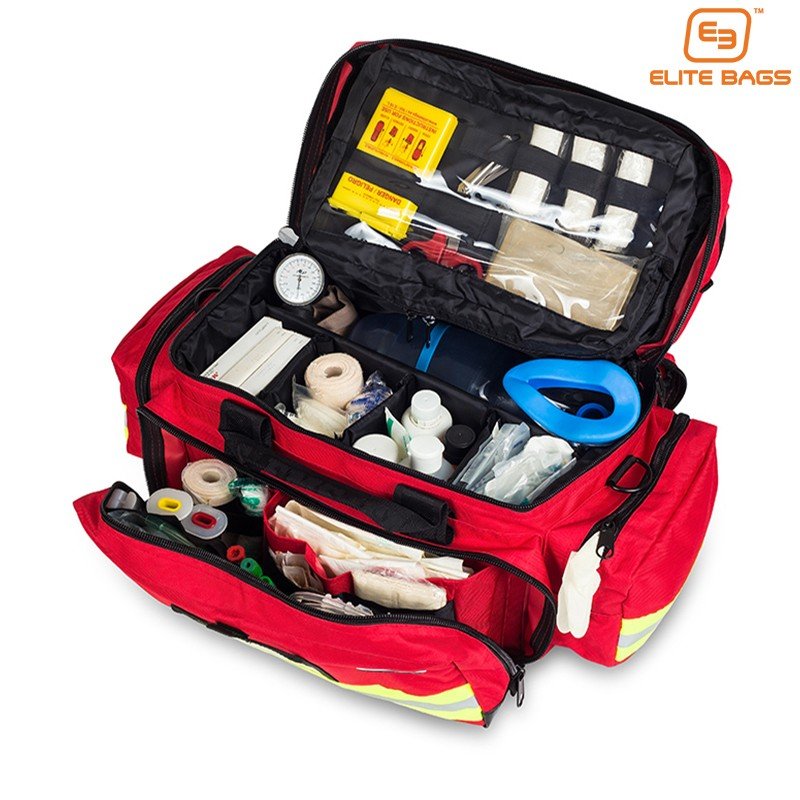
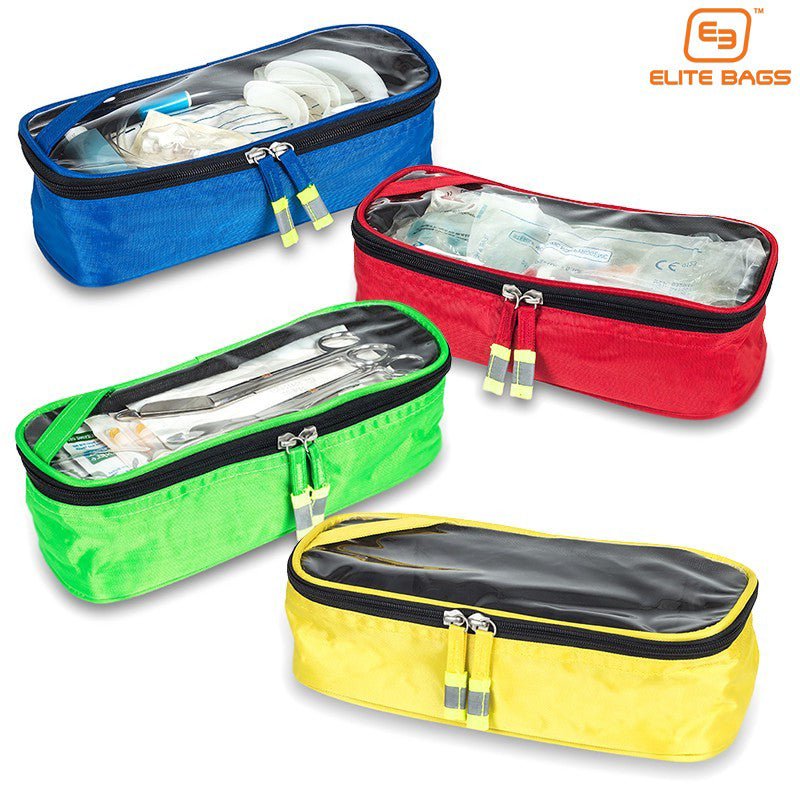
At the scene, nobody has time to hunt. A trauma bag is built to keep airway supplies, hemorrhage control, dressings, and diagnostics laid out so a provider can find them by muscle memory. The best ones use color-coded compartments and clear pouches so a fresh EMT and a 20-year medic can both work the same bag without missing a beat.
Durability matters just as much as layout. These bags take abuse. Reinforced bottoms, heavy-duty zippers, and fabric that wipes clean after a bad call are the features people notice once they've owned a cheap bag that fell apart.
Types of Trauma Bags EMS Crews Actually Buy
Not every call needs the same setup, so most agencies carry a mix.
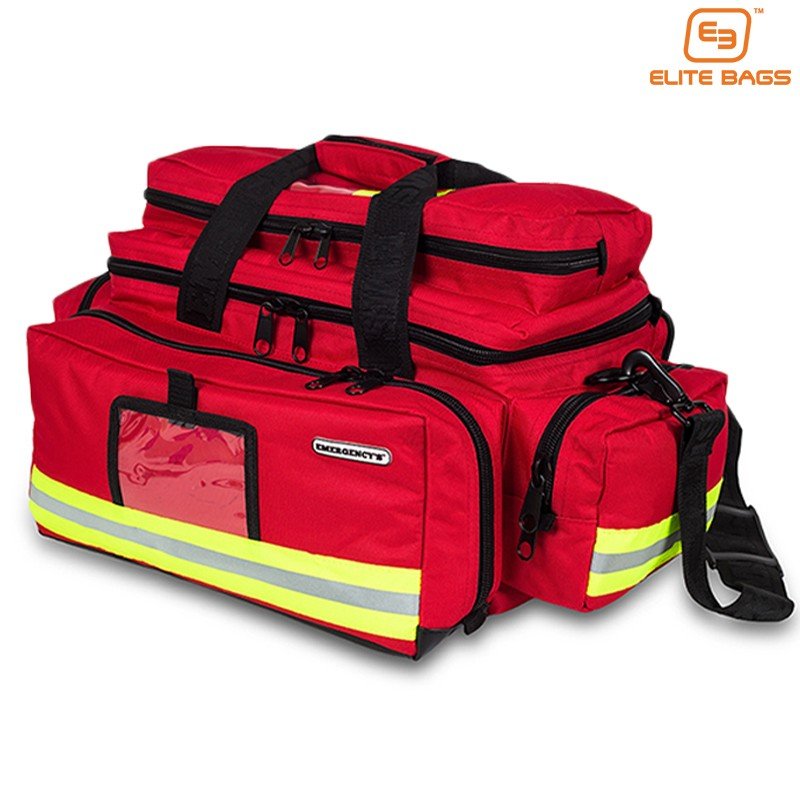
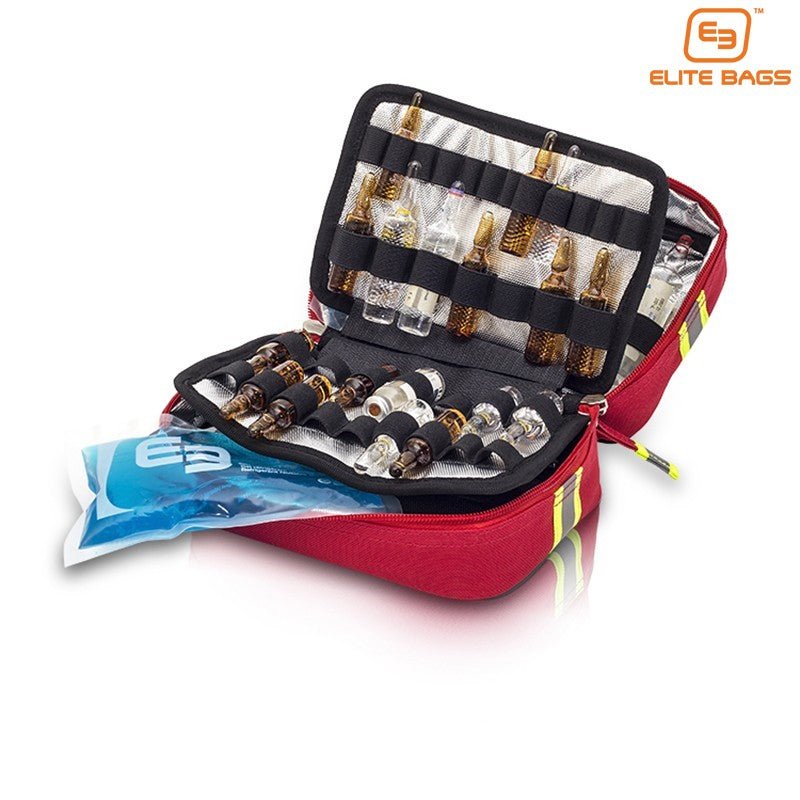
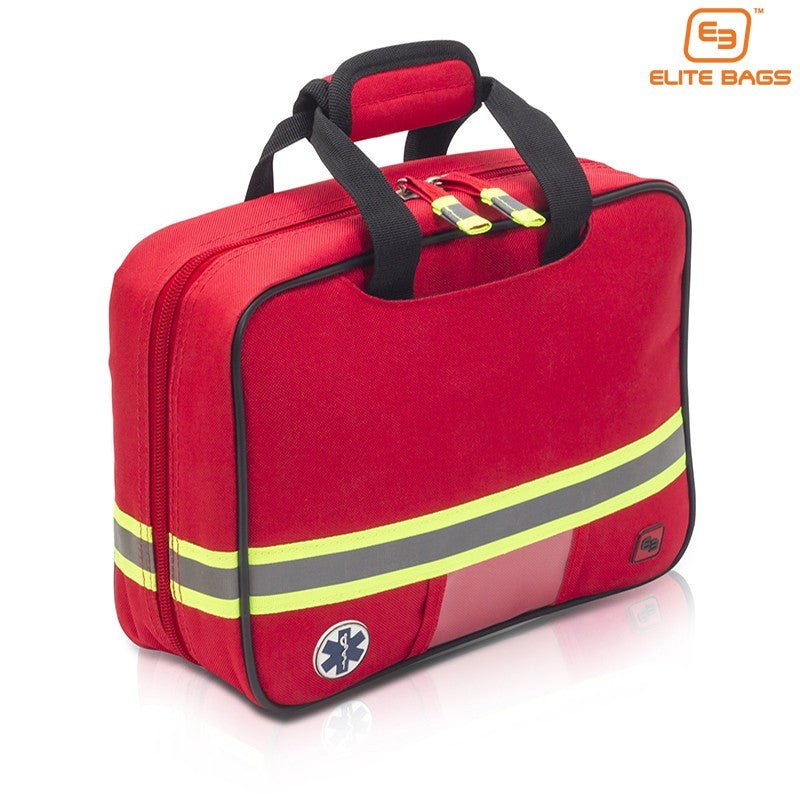
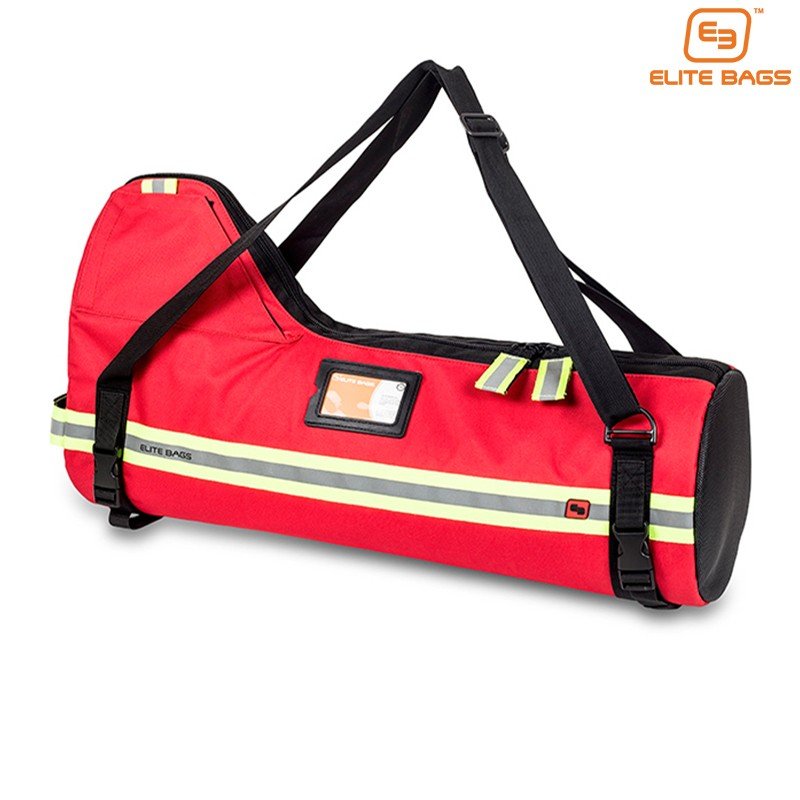
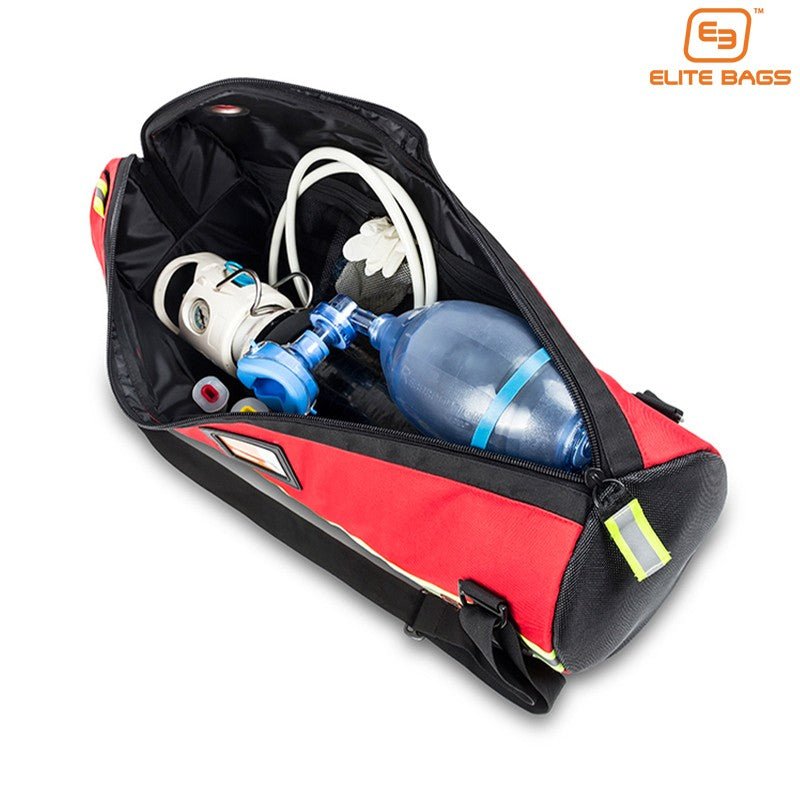
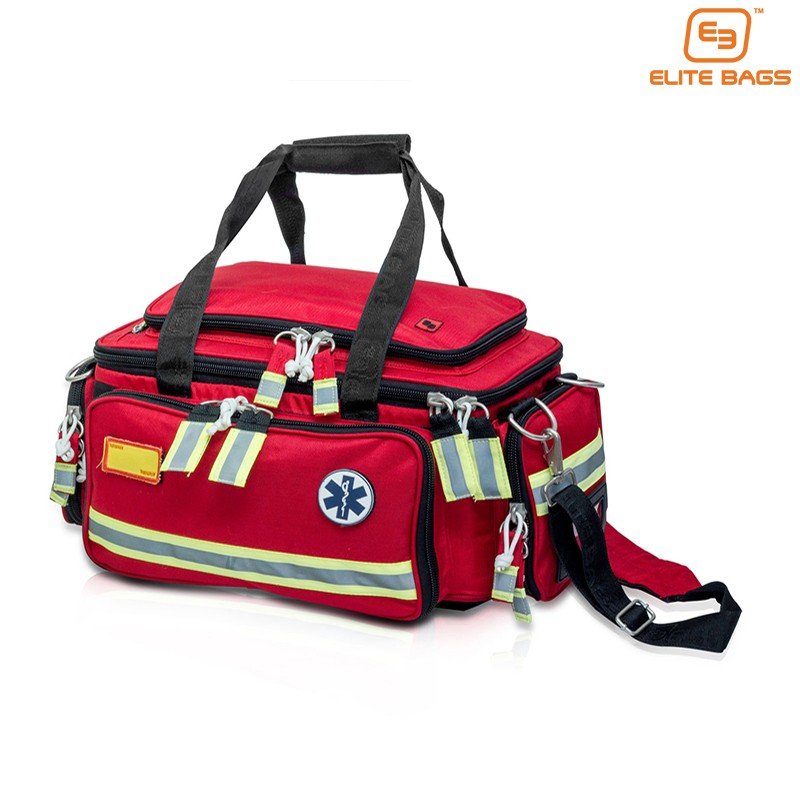
There's the full-size ALS trauma bag, the big one that holds everything for advanced life support runs. Then you've got the compact BLS bag that lives in a POV or a supervisor's vehicle. First-in bags and rapid-response packs are smaller still, meant to be slung over a shoulder and moved fast. And plenty of departments buy specialty modules (airway kits, IV rolls, med pouches) that clip into a larger bag.
Most buyers in this category end up with a two-bag system: one heavy responder for the truck, one grab-and-go for quick calls. It's not overkill. It's how you avoid carrying 30 pounds up four flights of stairs for a stubbed toe.
Who's Buying Trauma Bags, and What Each One Wants
EMS agencies want durability and standardized layouts so every rig matches. When crews rotate, consistency keeps errors down.
Fire departments lean toward rugged, high-visibility bags that survive smoke, water, and rough handling. Reflective panels and tough exteriors go a long way for them.
First aid squads and volunteer corps usually watch the budget hard, so they want a bag that's affordable but still holds up to real use. Nobody wants to replace gear every year.
Hospitals and clinics use trauma bags for rapid-response teams and inter-facility work, where clean, wipeable materials and clear organization take priority. Schools, athletic programs, and industrial safety teams also carry scaled-down versions for on-site coverage.
How to Choose the Right Trauma Bag
Start with size, because it drives everything else. Buy for your busiest realistic call, not your worst-case fantasy. An oversized bag that's half empty just wastes space and slows you down.
Look at the zippers and the stitching before anything else. Cheap zippers are the first thing to fail, and a blown zipper mid-shift is a real problem. Check that the compartments actually match how your protocols are organized, not some generic layout.
Think about the whole kit, not just the bag. Trauma gear rides in vehicles alongside your other equipment, so it helps to source from a shop that also carries Ferno and Stryker transport gear, defibrillators, and patient transport equipment. Keeping your supply chain in one place makes restocking and matching easier. If your agency runs ZOLL monitors or AEDs, plan pocket space for those cables and pads too.
And don't forget consumables. A great bag is worthless empty, so budget for the restock right alongside the purchase.
Entry-Level vs. Professional Trauma Bags
The gap between a budget bag and a pro-grade one shows up fast. Entry-level bags cut cost on zippers, fabric weight, and internal organization. They're fine for low-volume settings or backup use, and there's no shame in that if your call load is light.
Professional bags cost more upfront but earn it. Heavier materials, better modular inserts, and hardware that doesn't quit mean you're not rebuying in 18 months. If your unit runs daily, buy the professional tier. The cheap bag ends up costing more once you count the replacement.
My honest take: most people overlook the internal organization and just shop on price, then regret it the first busy weekend. Spend where it counts.
Ready to outfit your rig? Take a look at what fits your crew and build the setup your team will actually reach for.
Frequently Asked Questions
Q: What's the difference between a trauma bag and a first aid kit? A: A trauma bag is a full response system built for airway, bleeding control, and diagnostics on serious calls, while a basic first aid kit handles minor injuries. Trauma bags are larger, more organized, and built to survive daily field use by trained providers.
Q: What types of trauma bags should an EMS agency carry? A: Most agencies run a mix of a full-size ALS bag for the truck and a compact BLS or first-in bag for quick calls. Many also add specialty modules like airway kits or IV rolls that clip into the main bag, so crews can grab only what a call needs.
Q: Who typically uses trauma bags? A: EMS agencies, fire departments, first aid squads, hospital rapid-response teams, and industrial or school safety programs all use trauma bags. The right size and layout depend on call volume and setting, so a volunteer squad and a busy urban agency will usually pick different bags.
Q: Is a more expensive trauma bag worth it? A: If your unit runs daily, yes. Professional-grade bags use tougher fabric, better zippers, and stronger modular organization, so they hold up for years instead of months. Budget bags make sense for backup use or low-volume settings, but heavy users almost always save money buying up front.