Shop Alternating Pressure Mattress Systems for Facility Care
6 products
Showing 1 - 6 of 6 products
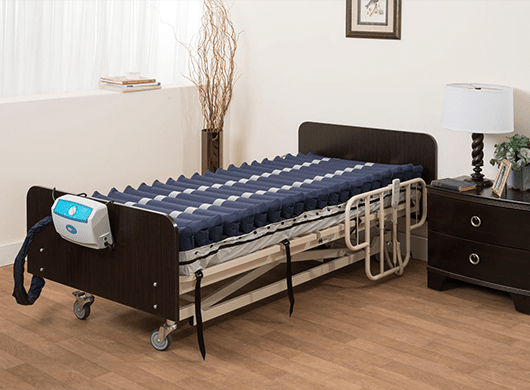
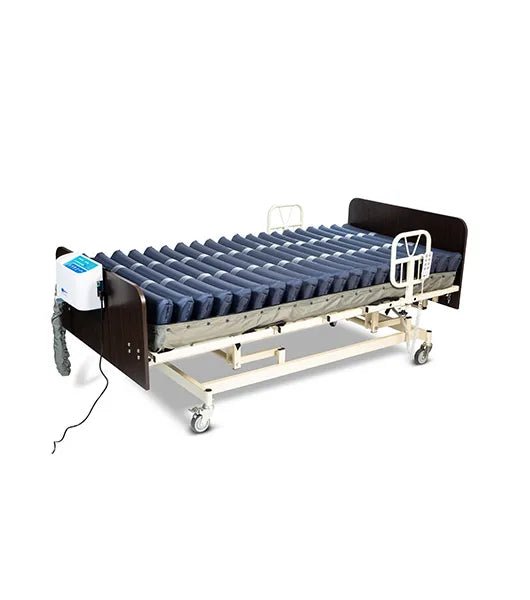
A nurse repositioning a bedbound resident every two hours knows exactly why an alternating pressure mattress exists, and the right one takes a chunk of that work off her shoulders. These systems inflate and deflate cells in a rotating pattern, so the pressure points under a patient's hips, heels and shoulders keep shifting instead of staying loaded for hours. For anyone who spends shifts guarding against skin breakdown, that constant movement is the whole point.
How an Alternating Pressure Mattress Reduces Pressure Points
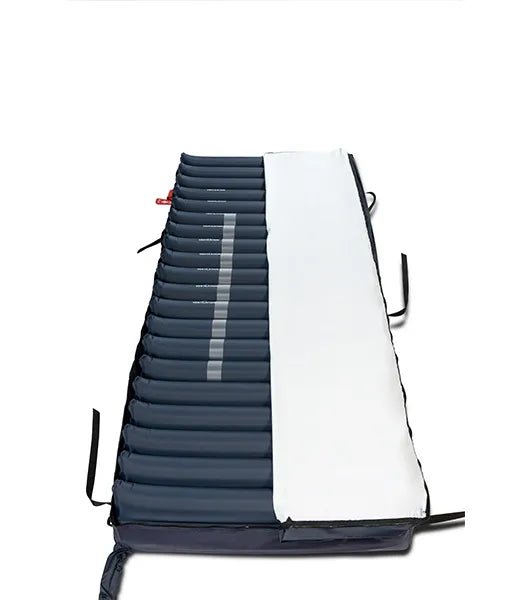
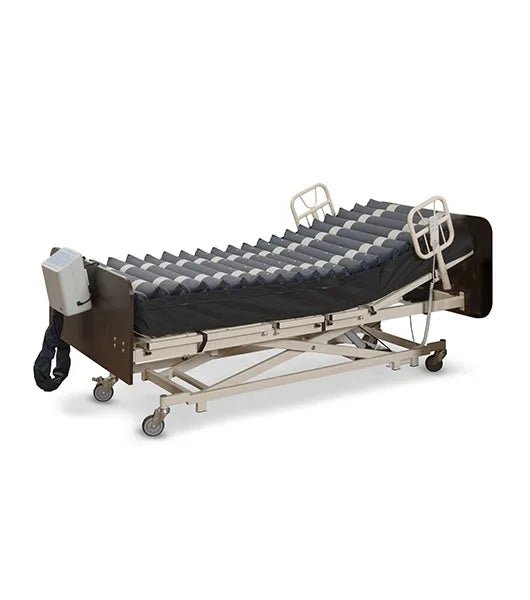
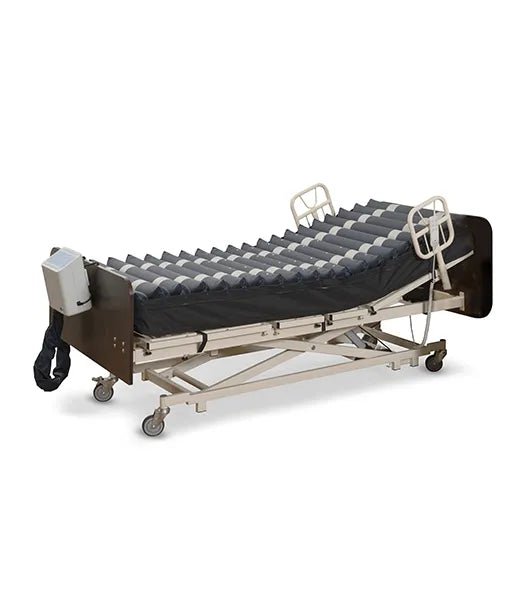
The pump is the brain of the setup. It cycles air through rows of cells, filling some while emptying others, then reversing. No single area of the body carries the full load for long. That rotation is what sets these apart from a static foam overlay, which just sits there and spreads weight without ever changing contact points.
Many systems let you adjust firmness to suit the person in the bed. A lighter patient doesn't need the same inflation as someone heavier, and a good pump accounts for that.
Mattress Systems vs Overlays: Which Type You Need
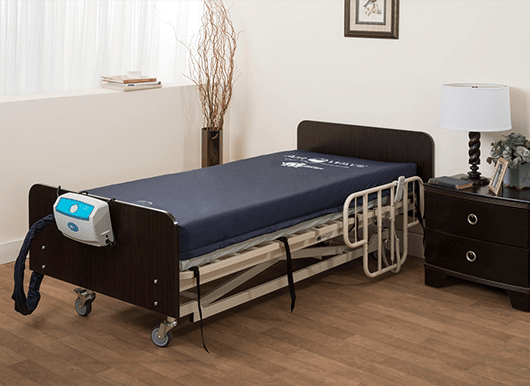
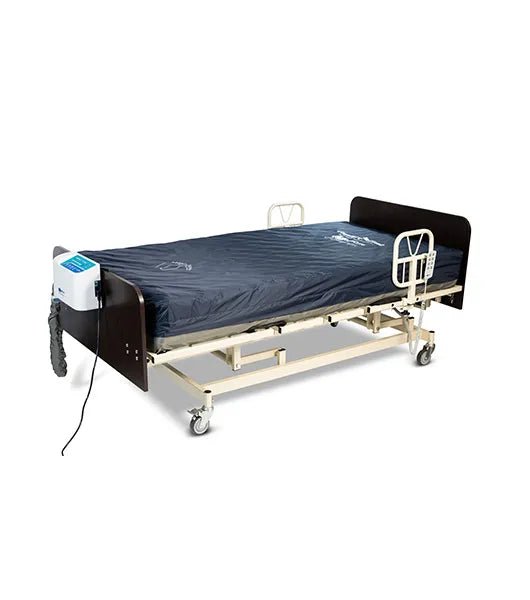
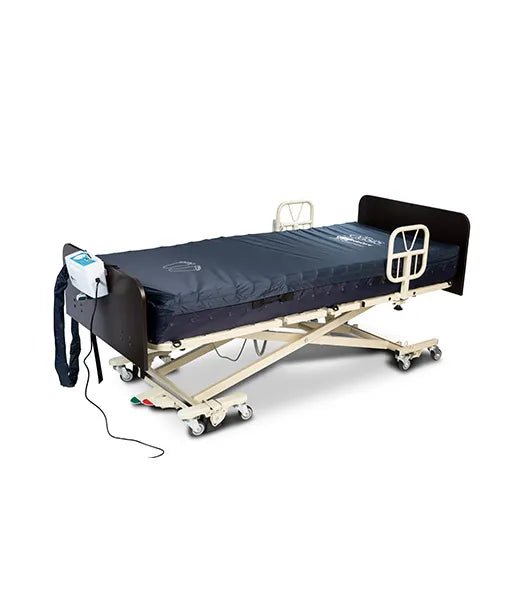
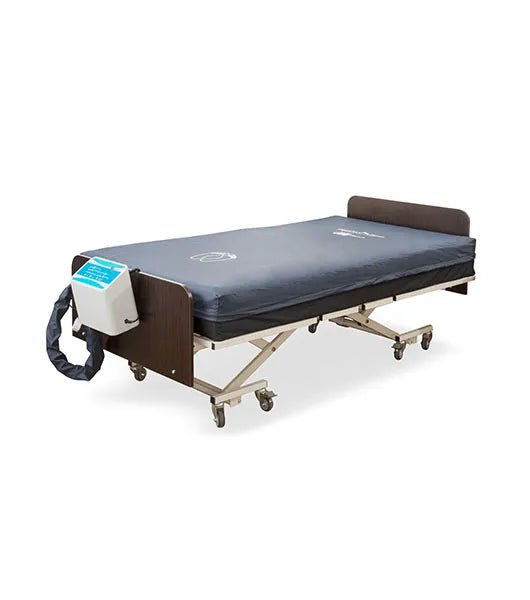
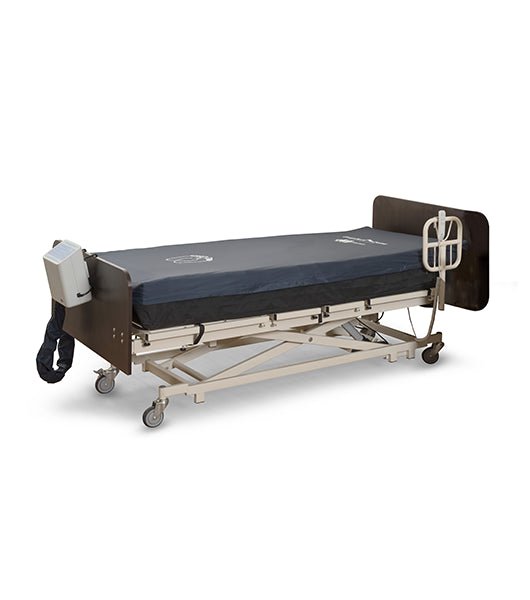
There are two broad builds worth knowing. A full replacement system sits directly on the bed frame and takes the place of the standard mattress entirely. An overlay is thinner and lays on top of an existing mattress, usually for lower-risk patients or shorter stays.
Within those, cell depth matters. Deeper cells give more immersion and are the ones you want for patients at genuine risk of breakdown. Shallow overlays work for prevention in lower-acuity cases but won't do much once a wound is already present.
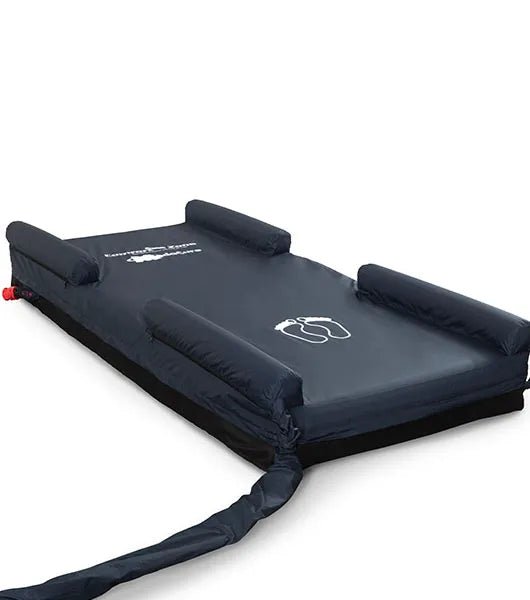
Our alternating pressure range includes standard-width and bariatric-width systems, several with low air loss. Check each product page for the model, size and features you're looking at.
Who's Buying These Systems: Hospitals, Long-Term Care and Home Setups
Skilled nursing and long-term care facilities move the most volume on these, because immobile residents are their daily reality. Hospitals stock them for post-surgical patients and anyone stuck supine for long stretches. Hospice and home-care agencies buy them too, often a single unit at a time for one patient.
The need is the same across all of them. Keep blood flowing to the skin, reduce the hands-on repositioning burden, and lower the odds of a pressure injury that nobody wants on a chart.
If you're kitting out a care floor, browse our Hospital Bed Mattresses and Hospital Beds while you're deciding how many units you need.
What to Look For When You Buy an Alternating Pressure Mattress
Start with the pump. You want it quiet, because residents have to sleep next to it, and you want adjustable firmness. A pump that runs loud gets unplugged by staff, and an unplugged system does nothing.
Weight capacity is the next line. Match the rated load to the heaviest patient likely to use it, not the average. Undersizing here is a common miss.
Then the cover. It needs to be wipeable, fluid-resistant, and tough enough to survive repeated cleaning with facility-grade disinfectant. And look for a CPR quick-release feature so the mattress can be deflated fast in an emergency. Pay attention to whatever warranty and cleaning guidance comes with the specific unit too.
Alternating Pressure vs Low Air Loss: My Honest Take
Buyers cross-shop these two constantly. Alternating pressure is about redistributing load through cycling cells. Low air loss focuses on moisture and temperature control, pushing a gentle flow of air to keep the skin dry. Several of our models combine the two.
If your main concern is prevention and repositioning relief, a straightforward alternating pressure mattress is the smarter, lower-cost buy for most facilities. Go up to a combination alternating pressure and low air loss system when you're managing patients who are high-risk, incontinent, or already dealing with moisture-related skin issues. You can compare the full Low Air Loss Mattresses range too.
For most general-care floors, the alternating pressure mattress does the job without extra complexity. Browse the listings, check the pump and size specs on each, and match the system to the patients actually lying in your beds.
Alternating Pressure Mattress FAQ
How does an alternating pressure mattress prevent bedsores?
It uses an electric pump to inflate and deflate rows of air cells in a rotating cycle, so pressure points under the body shift every few minutes instead of staying loaded. That constant change in contact area is designed to support healthy blood flow to the skin and reduce the risk of pressure injuries. It doesn't replace repositioning entirely, but it cuts the burden.
What's the difference between a mattress system and an overlay?
A replacement system sits on the bare bed frame and takes the place of the regular mattress. An overlay is thinner and lays on top of an existing mattress, better suited to prevention in lower-acuity or shorter-stay cases. For patients with an active wound, go with a full system.
Who typically buys these for a facility?
Long-term care and skilled nursing facilities are the biggest buyers, followed by hospitals for post-surgical and immobile patients. Hospice and home-care agencies also purchase single units for individual patients.
What should I check before ordering?
Confirm the weight capacity matches your heaviest likely patient, look for an adjustable pump and a wipeable fluid-resistant cover, and check each product page for the size, features and any included warranty or cleaning guidance.