Shop Stryker Stretcher Wheels & Replacement Casters
5 products
Showing 1 - 5 of 5 products
A caster that chatters across a tile hallway, or locks halfway and drags, tells you something's worn before anyone pulls out a wrench, and that's usually the moment a crew starts pricing Stryker stretcher wheels. The swivel goes stiff. One corner won't track straight. By the time it's obvious, the stretcher has probably been limping along for weeks.
When to Replace Stryker Stretcher Wheels
Wheels wear out. Flat spots, a bearing that grinds, a brake that won't fully engage, debris wound so tight around the axle that the caster barely turns anymore.
A stuck or wobbling wheel isn't just annoying. It throws off how the whole stretcher handles when someone's being transported, and that's when small problems become safety problems. Many techs swap casters in sets rather than one at a time, since matched wear keeps the ride even and spares you a second trip to the parts bin next month.
Finding the Right Wheels for Your Stryker Model
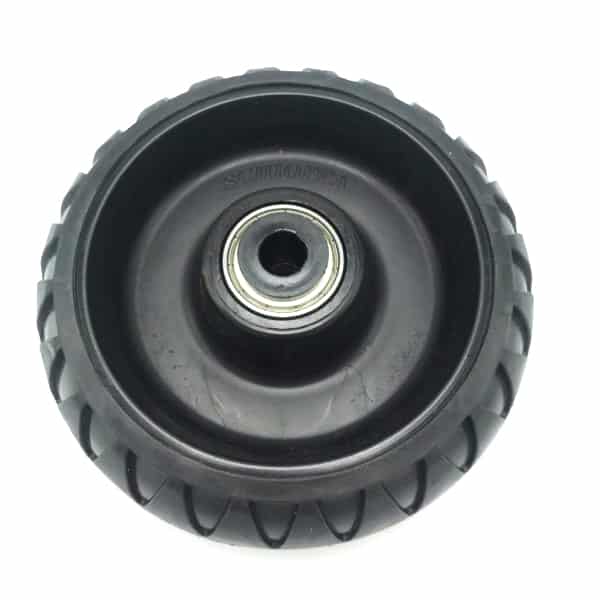
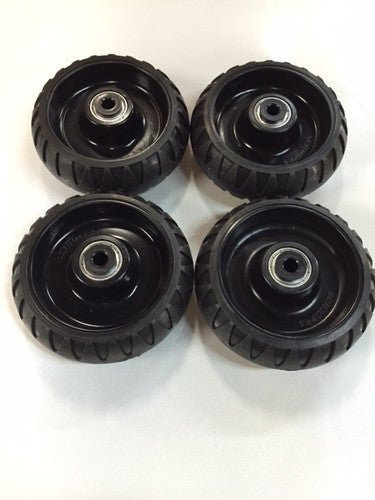
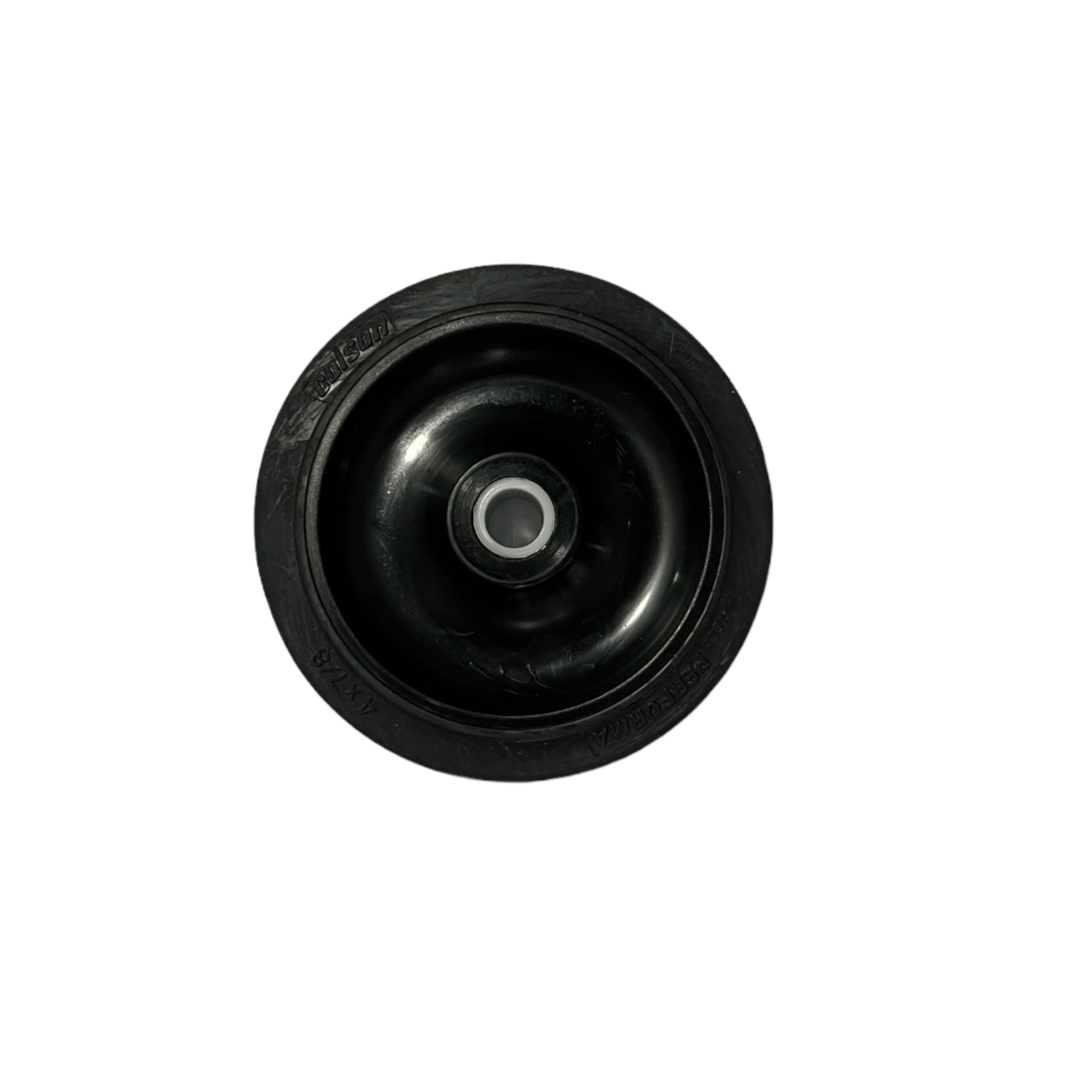
Stryker runs several stretcher and cot lines, and the wheels aren't always interchangeable across them. Our Stryker wheel listings include loading wheels for Power-PRO and Performance-PRO cots, loading wheels for the MX-PRO, and ground wheels, so the smart move is to confirm your cot model before you order anything.
Wheel size, mounting style, and whether the part is a loading wheel or a ground wheel all vary. So pull the existing part, check the mounting, and match it. Guessing by eye is how you end up with a box that doesn't fit and a stretcher still sitting out of service.
Condition varies by listing here, since we carry a mix of new and used Stryker components. Browse the wider Stryker lineup and the full Stretcher Wheels collection, and cross-check against what's actually on your cot.
Who's Buying Replacement Wheels
EMS agencies are the big ones. A cot gets loaded, unloaded, and rolled over curbs and parking lot cracks dozens of times a shift, and that abuse lands squarely on the wheels.
Hospital transport teams buy them too, usually for stretchers that live on hard floors and tight corners all day. First aid squads and volunteer fire companies tend to hold their equipment longer, so for them a wheel swap keeps an older cot useful without the cost of replacing the whole thing. And biomed or facilities staff handling maintenance across a department often order wheels in small batches so they've got spares on the shelf when a wheel finally gives out.
What to Look For in Stryker Stretcher Wheels
Fit comes first, always. A wheel that's close but not exact will mount and then fail you at the worst time.
After that, think about the surface your crews actually work on, and check the brake and swivel action on any caster, because one that locks clean and swivels free is doing half the work of steering the stretcher for you.
My honest take: don't cheap out on the part that carries a patient's weight. If you also maintain other cots or transport gear, it's worth looking at related Stryker Accessories while you're sorting parts.
Stryker Stretcher Wheels FAQ
How do I know which Stryker stretcher wheels fit my cot?
Start with your cot model number, then pull the existing wheel to check its mounting style. Matching the part exactly is the only reliable way to avoid an order that won't fit.
Are loading wheels and ground wheels the same?
No. Loading wheels sit at the head end and help the cot roll into the ambulance, while ground wheels are the casters the cot rolls on. Check each product description for the models it fits.
Who usually needs replacement wheels?
EMS agencies and hospital transport teams go through them fastest because of daily loading and rough surfaces. Fire companies, first aid squads, and biomed staff also buy them to keep older cots in service and to keep spares on hand.
Are your wheels new or used?
Condition varies by listing. We carry both new and used Stryker components, so check each product page for exactly what you're getting.