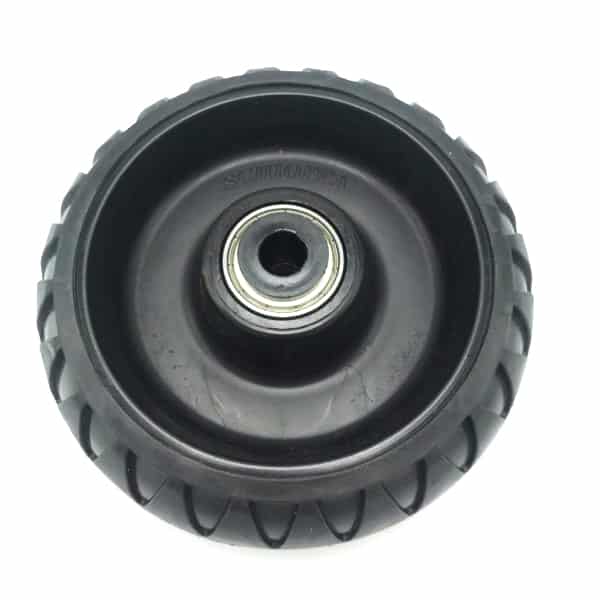
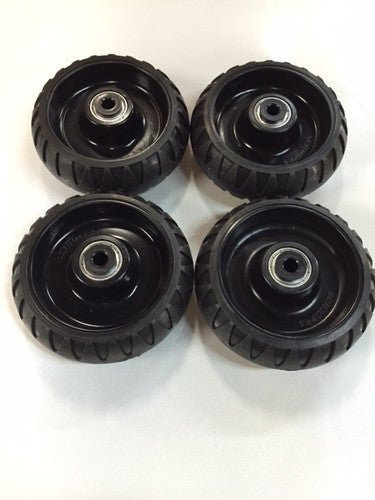
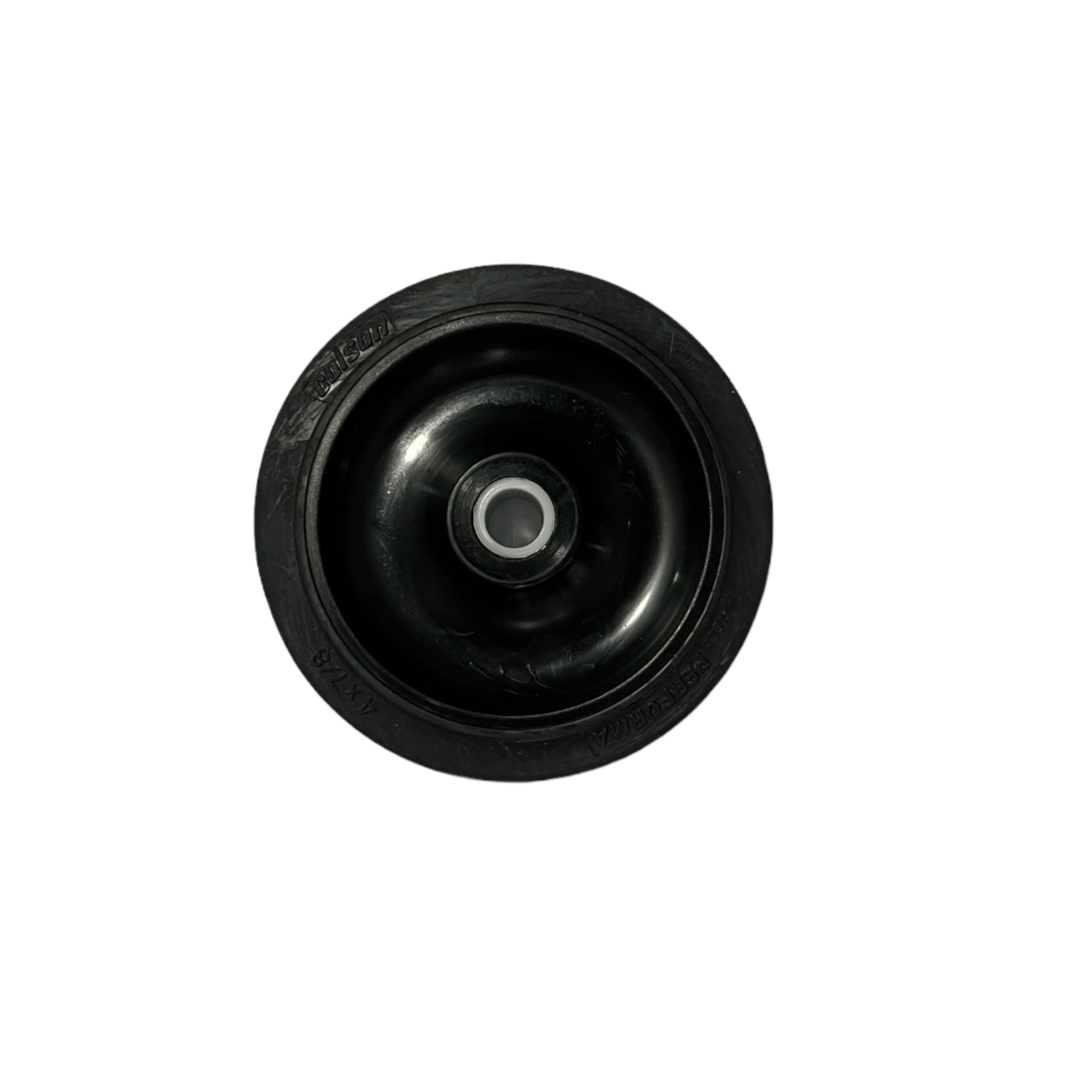
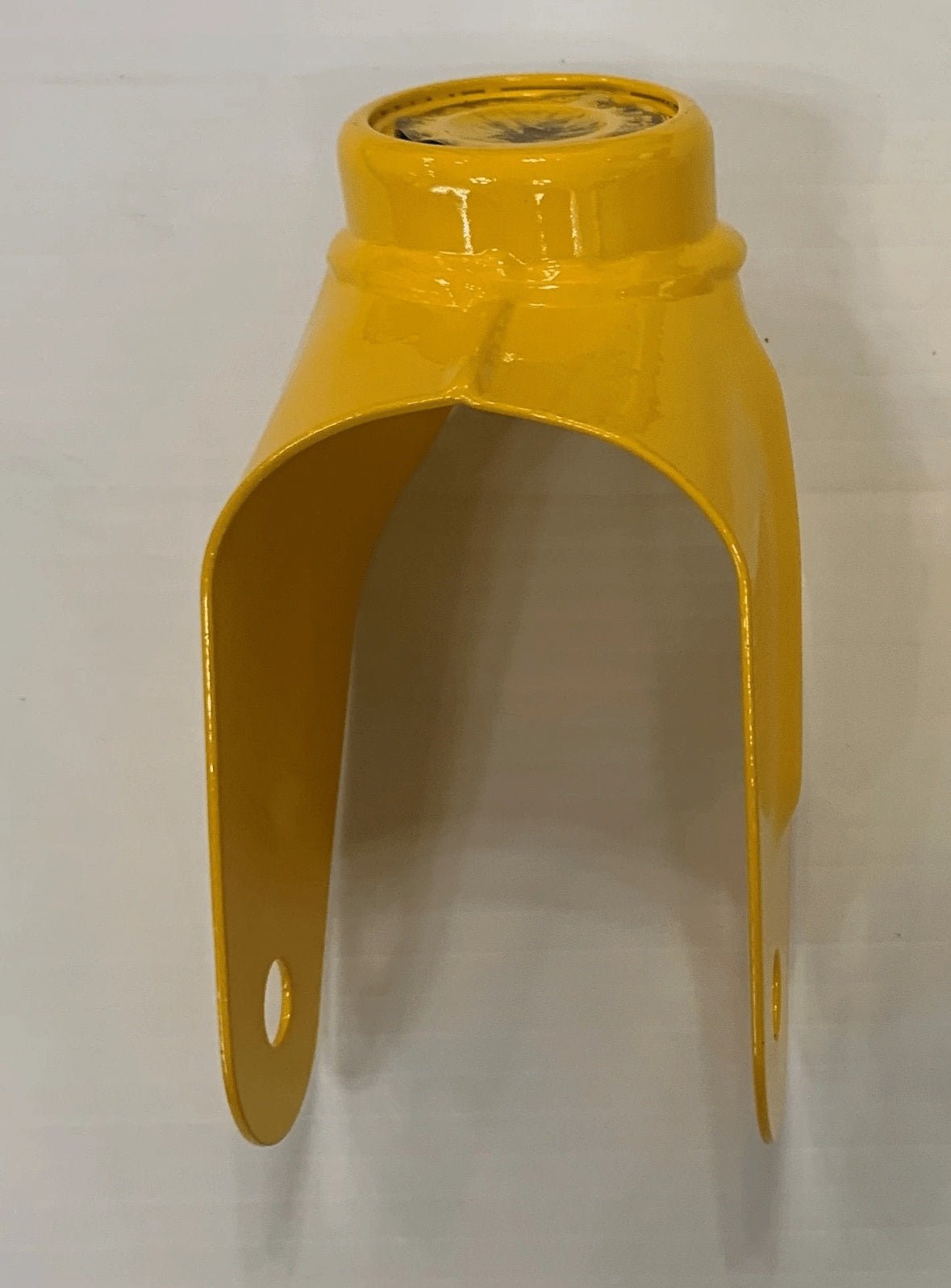
A worn stretcher wheel is one of those small problems that turns into a big one fast, usually at the worst possible moment during a patient transfer. If a caster locks up, wobbles, or won't roll straight, the whole cot becomes harder and slower to move. And when you're moving a loaded stretcher through an ED hallway or into the back of a rig, slow and awkward isn't acceptable. That's why keeping the right replacement parts on hand matters so much.
Why a Bad Stretcher Wheel Slows Your Whole Crew Down
A stretcher rolls on casters, and casters take abuse. Gravel lots, curbs, elevator gaps, blood, IV fluid, road salt in winter. All of it works against the bearings and the swivel.
When a wheel starts dragging, your crew compensates by pushing harder or fighting the steering. Over enough calls that's a real ergonomic and safety issue. Replacing a tired caster early keeps the cot tracking straight and protects the frame from uneven stress. Most agencies wait too long on this. A single bad wheel can throw off the balance of the entire load.
Types of Stretcher Wheels and Casters
Not every caster is the same, and the one you need depends on the cot or bed it's mounted to. Ambulance cots and stair chairs use different wheel setups.
Broadly you'll run into a few categories. Swivel casters that turn 360 degrees for maneuvering. Fixed or directional wheels that hold a straight line. Locking casters with a brake to keep equipment parked.
Wheel material matters too. Softer treads roll quieter and absorb shock, while harder compounds last longer on rough surfaces. If you're sourcing for equipment from Stryker or Ferno, match the caster to that specific platform rather than guessing. Wheels aren't universal.
Who Buys Replacement Stretcher Wheels
EMS agencies are the biggest buyers here, and for good reason. Their cots log serious mileage and take outdoor abuse that hospital equipment never sees. For them a stretcher wheel is a routine wear part, same as brake pads on a truck.
Hospitals and clinics buy them too, mostly for transport stretchers and gurneys that squeak or drift down a polished floor. First aid squads and volunteer fire departments often run older or refurbished cots, so replacement casters keep that equipment in service without a full unit purchase. Bariatric and homecare settings have their own needs, since heavier loads demand wheels rated for the job.
If you maintain a fleet, keep spares. Downtime on a cot pulls a rig out of service.
What to Look For When Buying a Stretcher Wheel
Start with fitment. The wheel has to match the mounting stem, bolt pattern, or axle of your specific cot. Get this wrong and nothing else matters.
Then think about load. A caster on a bariatric bed carries far more than one on a standard transport stretcher, so weight rating isn't a spec to skip. Brake function is next. If the original had a locking caster, replace it with a locking caster. Losing your park brake is a safety problem.
Tread material is where you get to make a judgment call. Harder wheels wear slower but transmit more vibration, softer ones roll smooth but scuff sooner. My honest take: for outdoor EMS use, lean toward durability. For quiet indoor hospital corridors, comfort and low noise win. You can browse related gear in Patient Transport Equipment and full cots under Ambulance Stretchers if a wheel swap isn't enough to save an aging unit.
Repair the Wheel or Replace the Whole Stretcher?
Here's the question every equipment manager eventually faces. A single stretcher wheel is cheap next to a new cot, so replacing casters is almost always the smart move when the frame is sound.
But there's a tipping point. If a cot needs new wheels plus hydraulics plus a frame weld, you're throwing money at a unit near the end of its life. When repairs start stacking, price out a refurbished replacement instead. For fleets running Stryker Stair Chairs or older cots, a smart mix of parts and select refurbished units usually beats replacing everything at once.
My rule of thumb: fix the wheels, keep the good frames rolling, and retire the units that have become a parts drain. A fresh stretcher wheel on a solid cot is one of the best-value repairs in this whole category, so grab what you need before your next inspection catches it for you.
Frequently Asked Questions
Q: How do I know which stretcher wheel fits my cot? A: Match the wheel to the exact make and model of your cot or bed, since mounting stems, bolt patterns, and load ratings vary between platforms. If you're unsure, check the caster stem type and the wheel diameter, or reach out with your equipment model before ordering.
Q: What kinds of stretcher wheels are available? A: You'll find swivel casters for maneuvering, directional wheels for straight tracking, and locking casters with brakes for parked equipment. Some powered cots also use a larger central steer wheel, and bariatric setups often need heavier-rated casters built for higher loads.
Q: Who typically needs replacement stretcher wheels? A: EMS agencies, hospitals, clinics, and first aid squads all replace casters as routine wear parts. Agencies running high-mileage ambulance cots go through them fastest, while hospitals usually replace wheels on transport stretchers to fix drift, noise, or a stuck brake.
Q: Is it worth replacing the wheels or should I buy a new stretcher? A: If the frame and hydraulics are sound, replacing worn casters is far cheaper than a new cot and gets you back in service quickly. When repairs start piling up across the whole unit, it's often smarter to price out a refurbished stretcher instead of putting money into a failing frame.