Shop Patient Lift Slings for Hospitals & EMS Agencies
13 products
Showing 1 - 13 of 13 products
Choosing the right patient lift sling matters more than most buyers expect, because the sling is the piece that actually touches the person being moved. Get it wrong and you're looking at pressure points, awkward transfers, and staff who quietly stop using the equipment. Get it right and transfers become faster and safer for everyone in the room. We stock slings built for real clinical use, not the flimsy stuff that frays after a month.
Why the Right Patient Lift Sling Changes Everything
A lift is only as good as the sling attached to it. That's the part people forget when they buy the hoist first and grab whatever sling ships in the box.
Different transfers need different slings. Moving someone from a bed to a wheelchair isn't the same task as toileting or repositioning a patient who's already seated. A patient lift sling that's sized and shaped for the job spreads weight evenly, keeps the person comfortable, and lets your staff work without straining their backs. Bad fit is the number one reason slings get abandoned in a supply closet.
Types of Patient Lift Slings We Carry
Most facilities end up needing more than one style. Here's how the main categories break down.
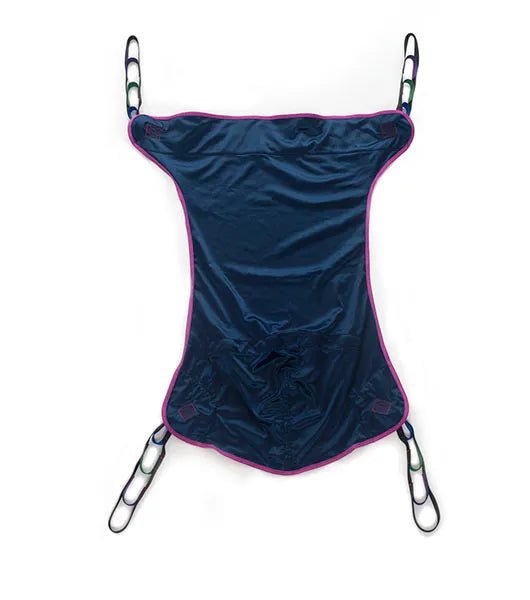
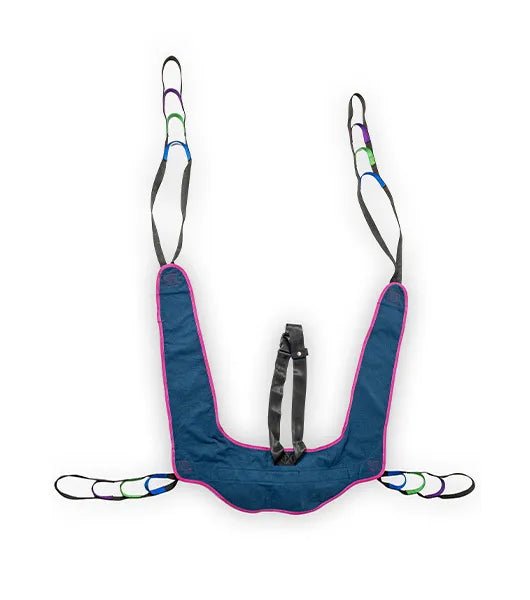
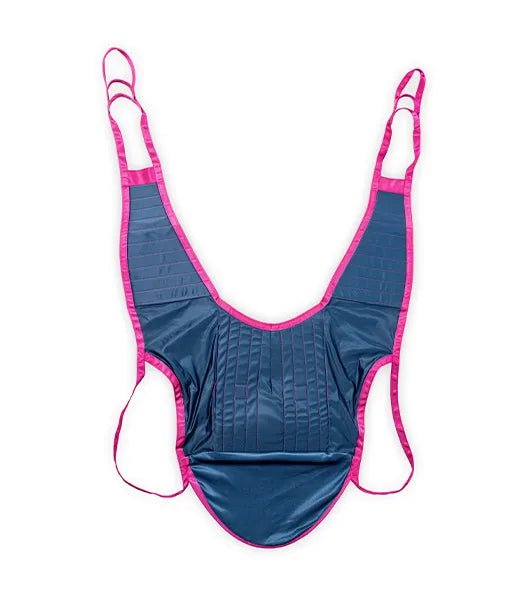
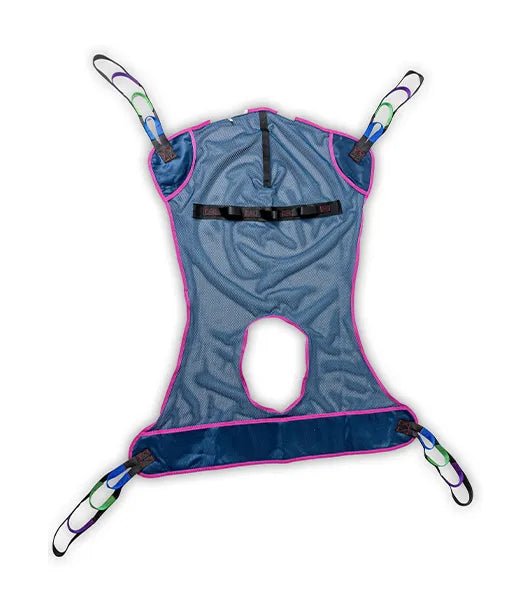
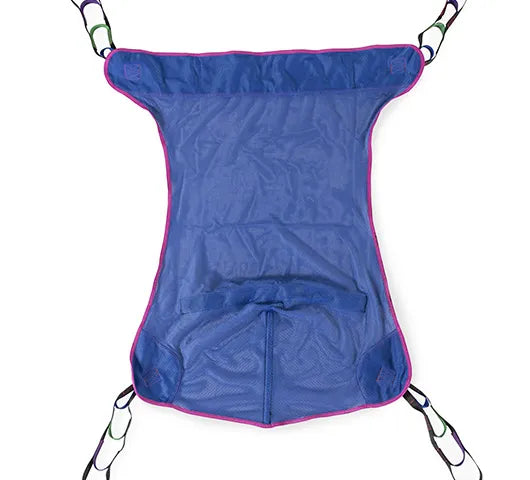
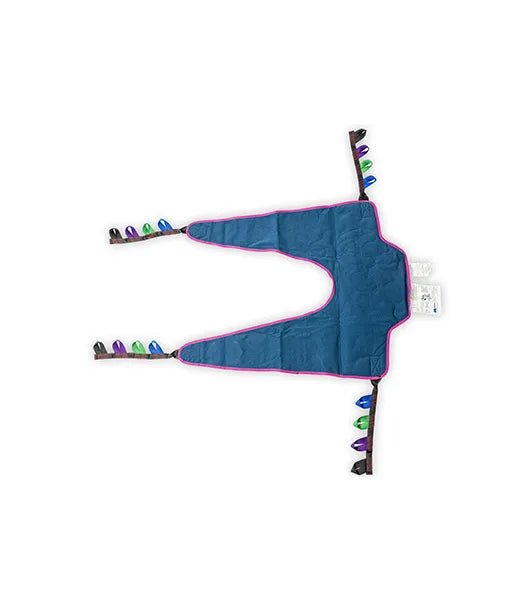
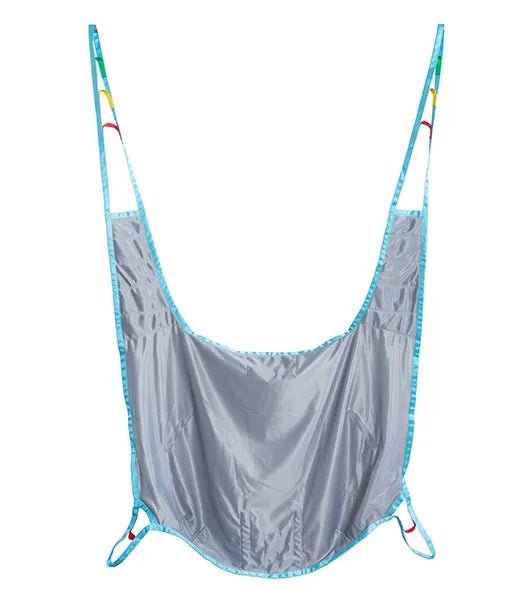
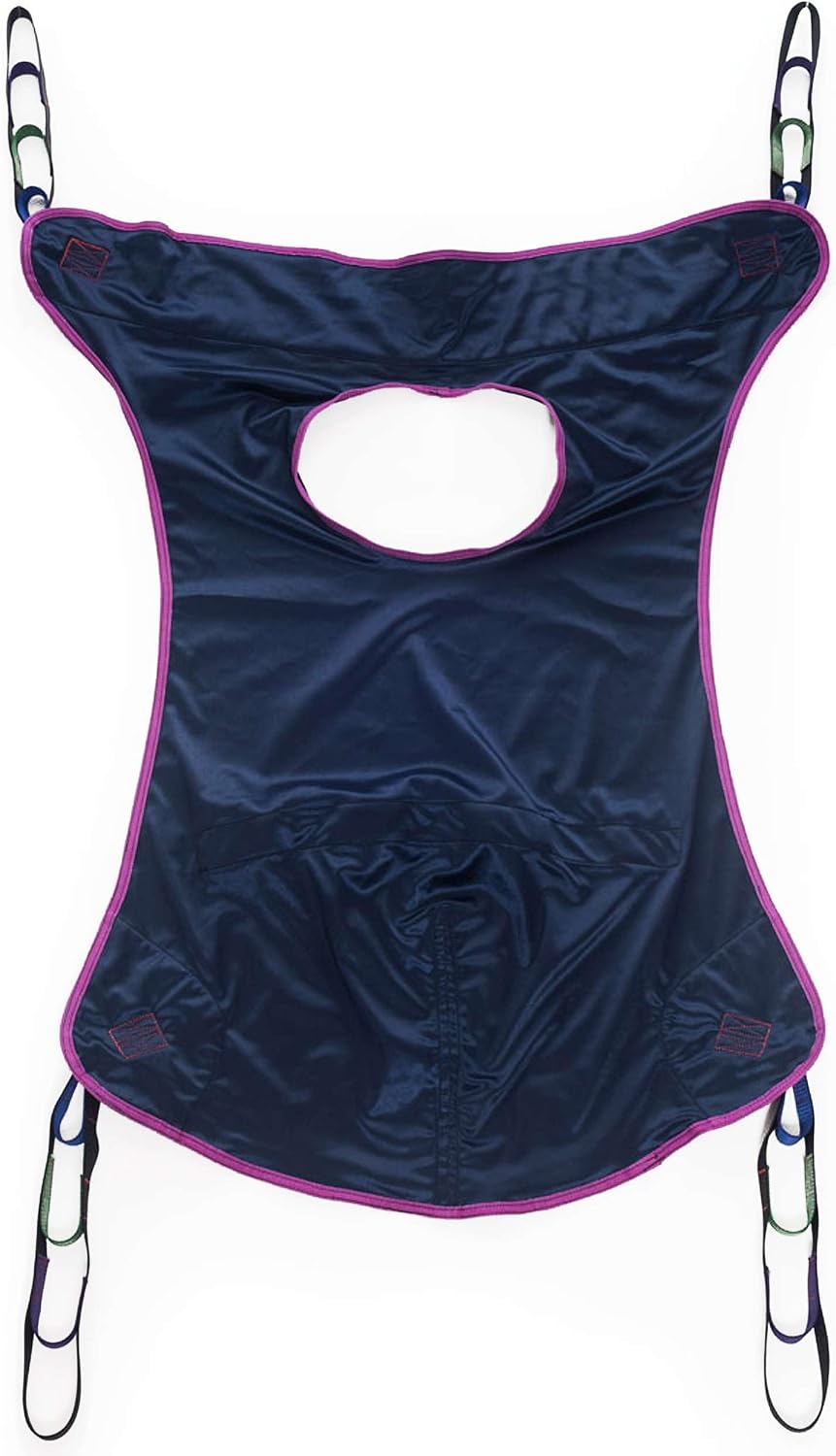
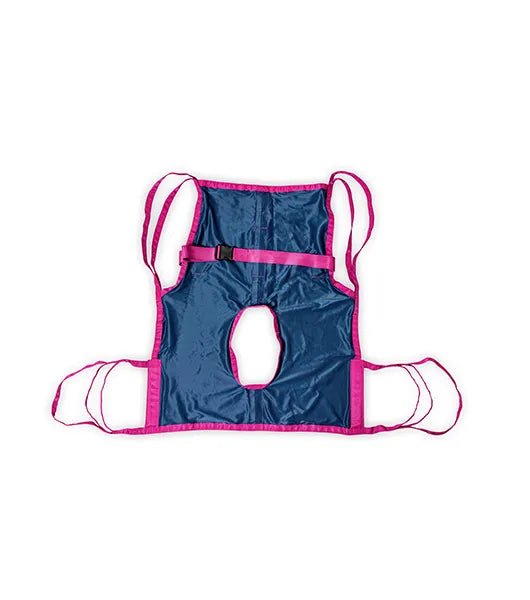
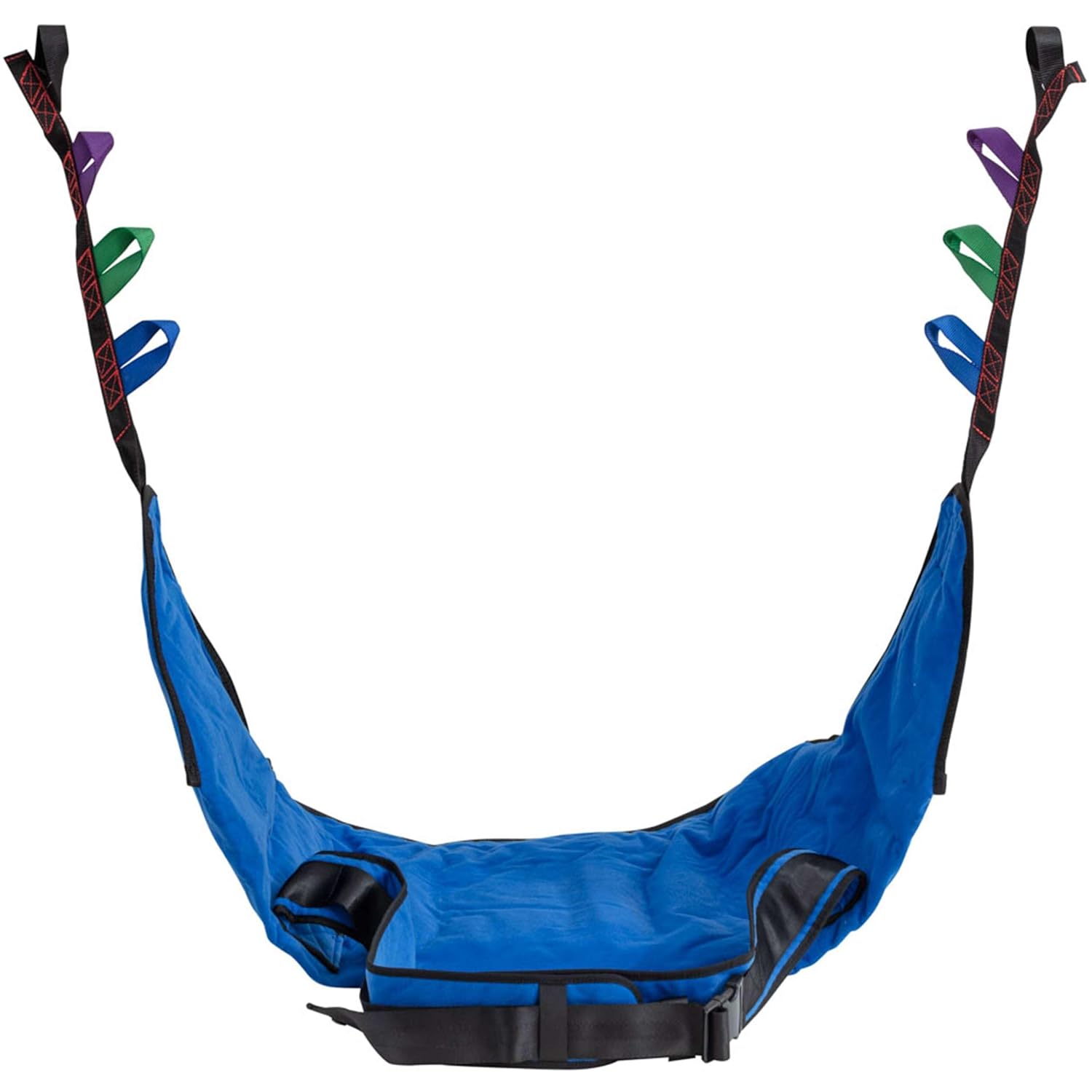
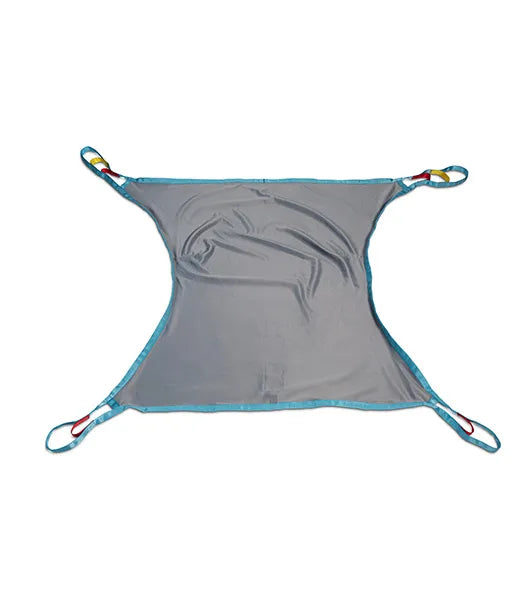
Full-body slings support the head, back, and legs, which makes them the go-to for patients who can't hold themselves upright. Universal or U-slings are the workhorses for general bed-to-chair transfers. Toileting slings leave the seat area open for obvious reasons, and they're a must-have in long-term care. Repositioning slings are flatter and designed to shift a patient up or across a bed rather than lift them off it.
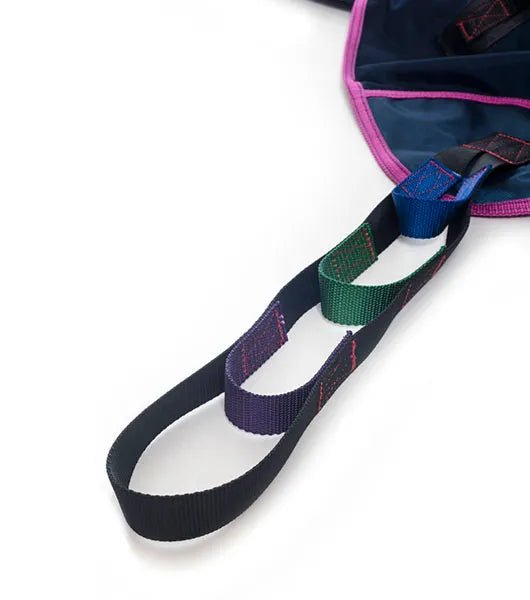
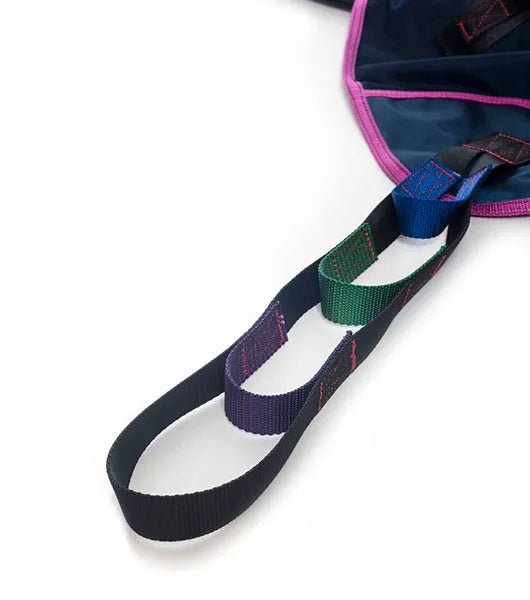
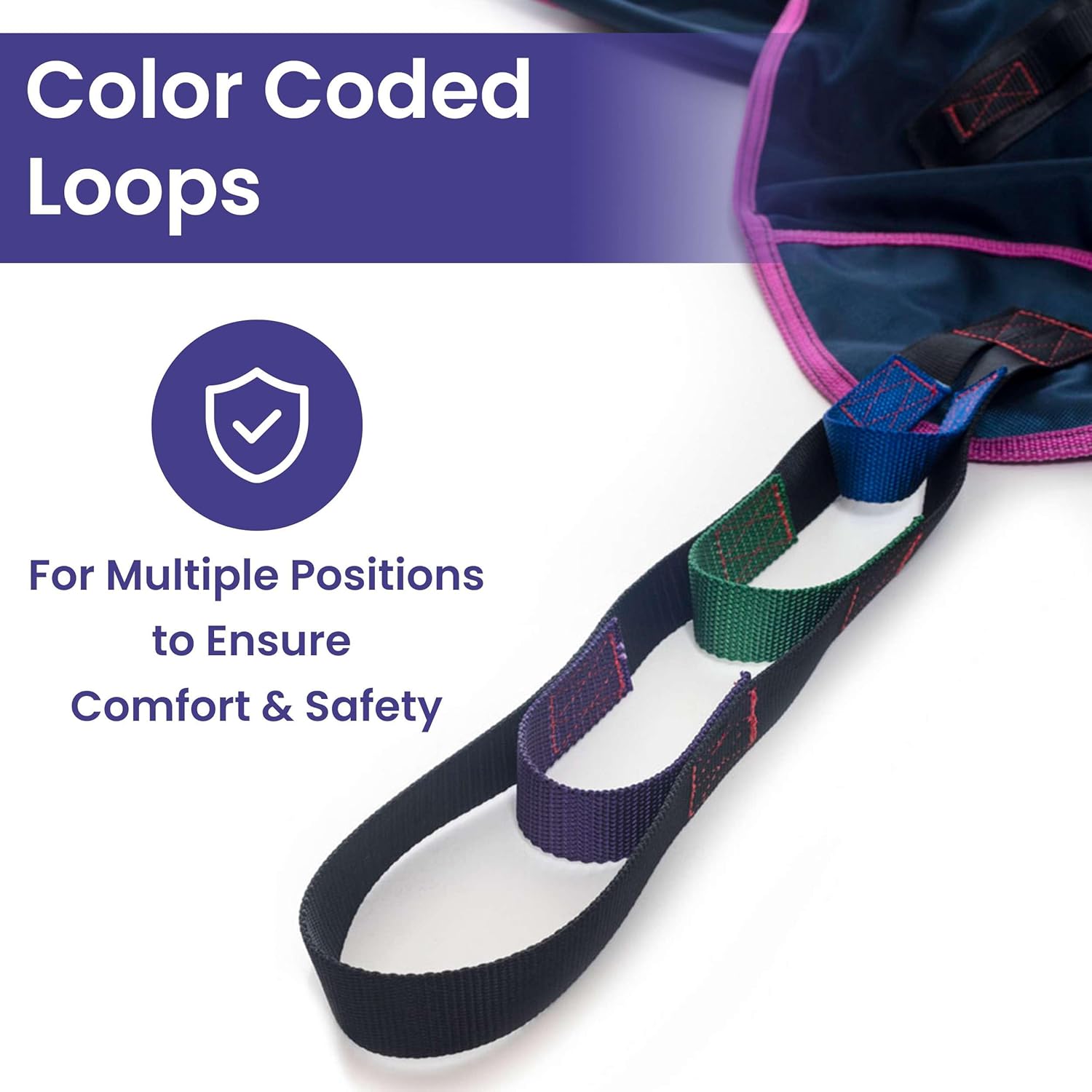
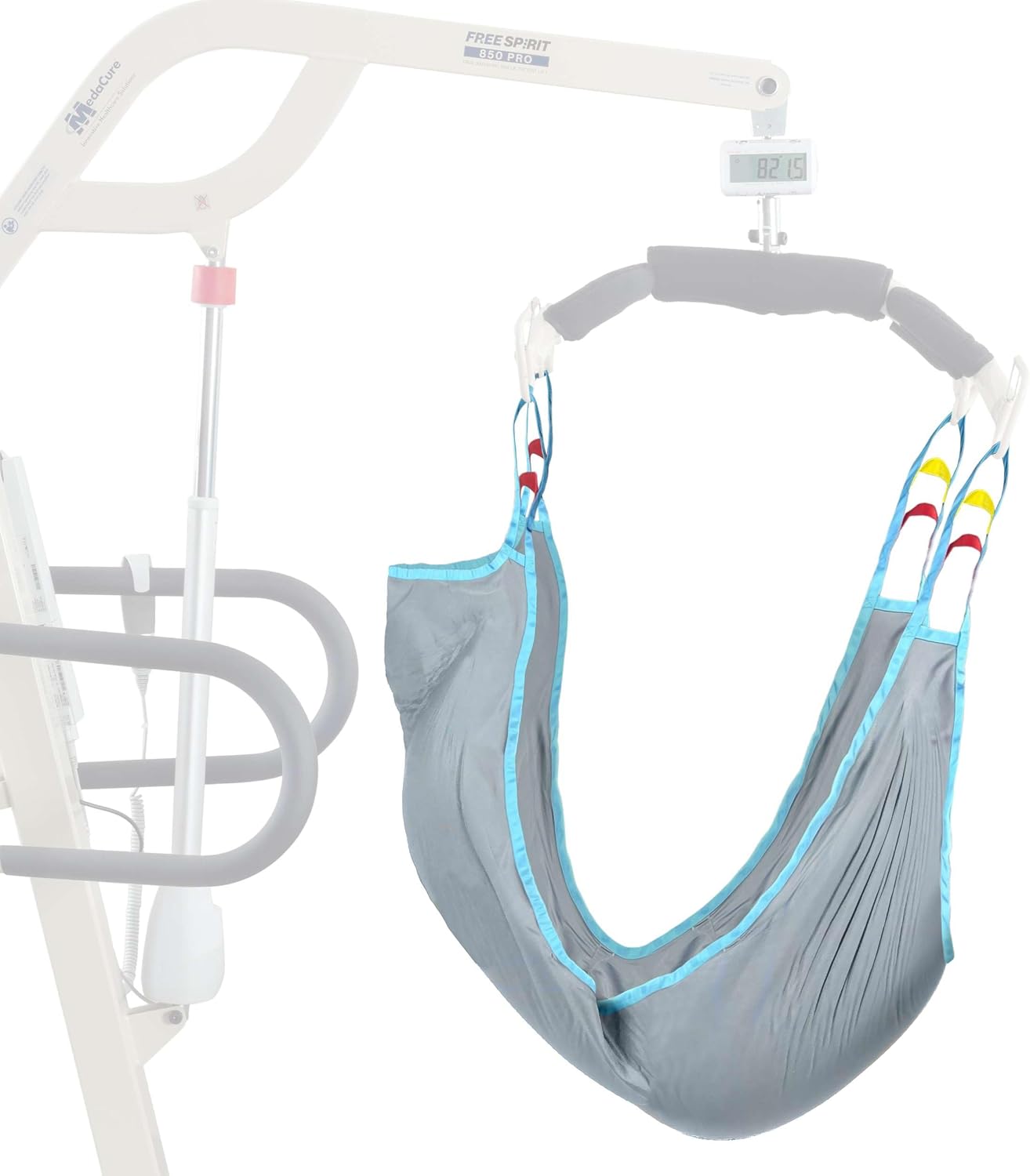
Then there's the material question. Mesh slings dry fast and work well for bathing. Padded fabric slings feel more comfortable for longer holds. And loop attachment versus clip attachment is a real decision, since the sling has to match your lift's spreader bar. Don't assume they're interchangeable, because they're not.
Who's Buying Patient Lift Slings, and What They Actually Need
Hospitals usually want a mix of sizes and disposable options for infection control. High patient turnover means single-patient-use slings often make more sense than laundering everything between uses.
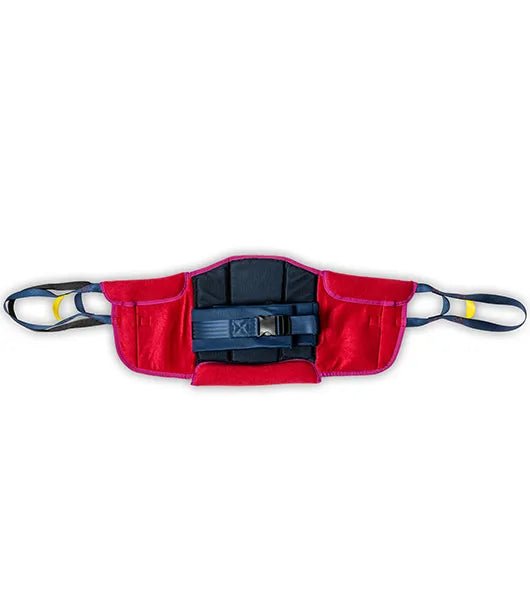
EMS agencies and first aid squads care about durability and quick application. When you're moving someone in a tight space, you don't have time to fuss with straps. Long-term care and rehab facilities lean toward padded, reusable slings sized per resident, since the same people are being transferred day after day. Home care buyers (family caregivers, mostly) tend to need one or two slings that cover the daily routine without overcomplicating things.
If you're outfitting a squad or a rig, our Ambulance Stretchers and Stair Chairs pages pair naturally with the lift equipment here.
How to Choose a Patient Lift Sling
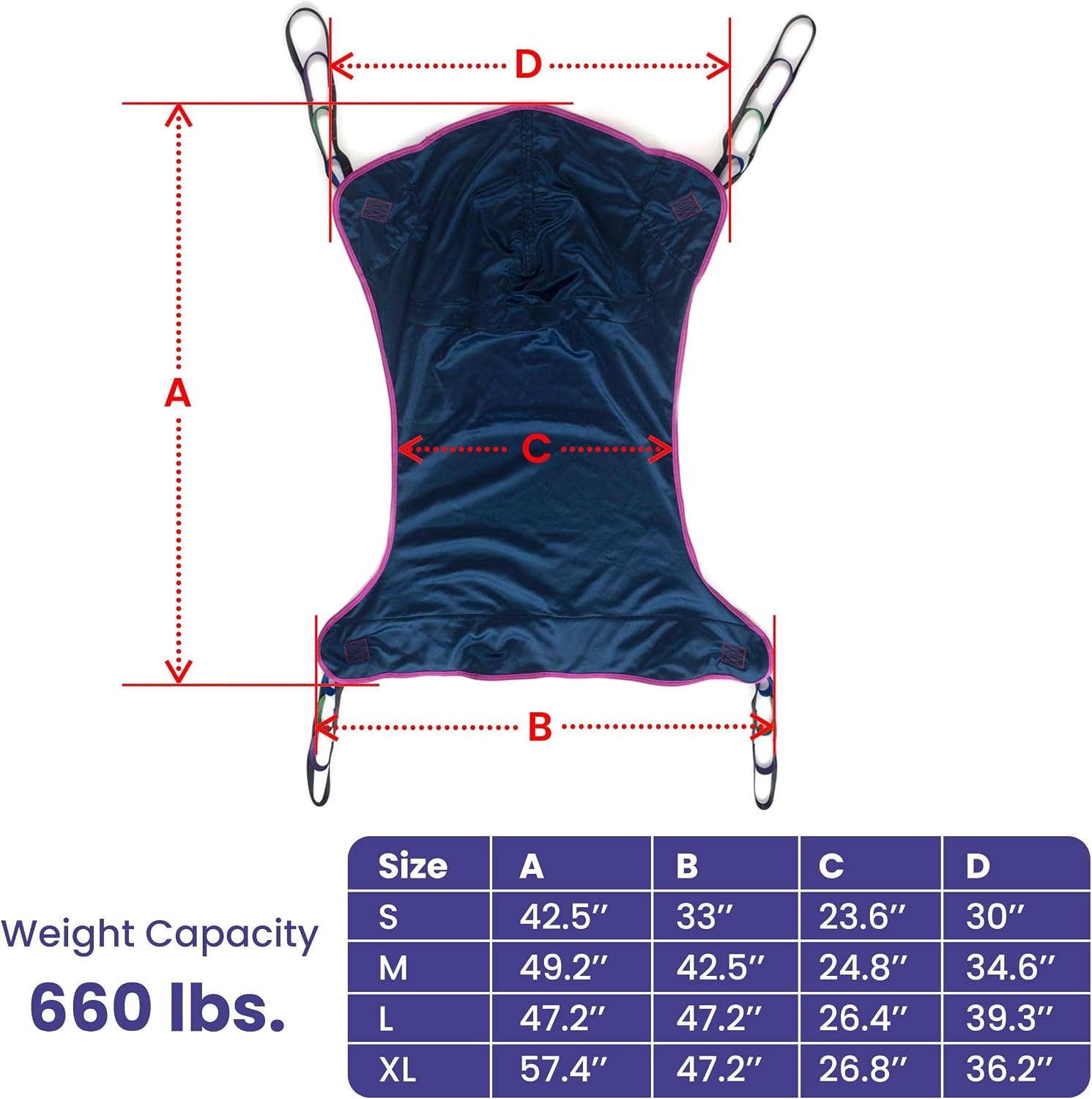
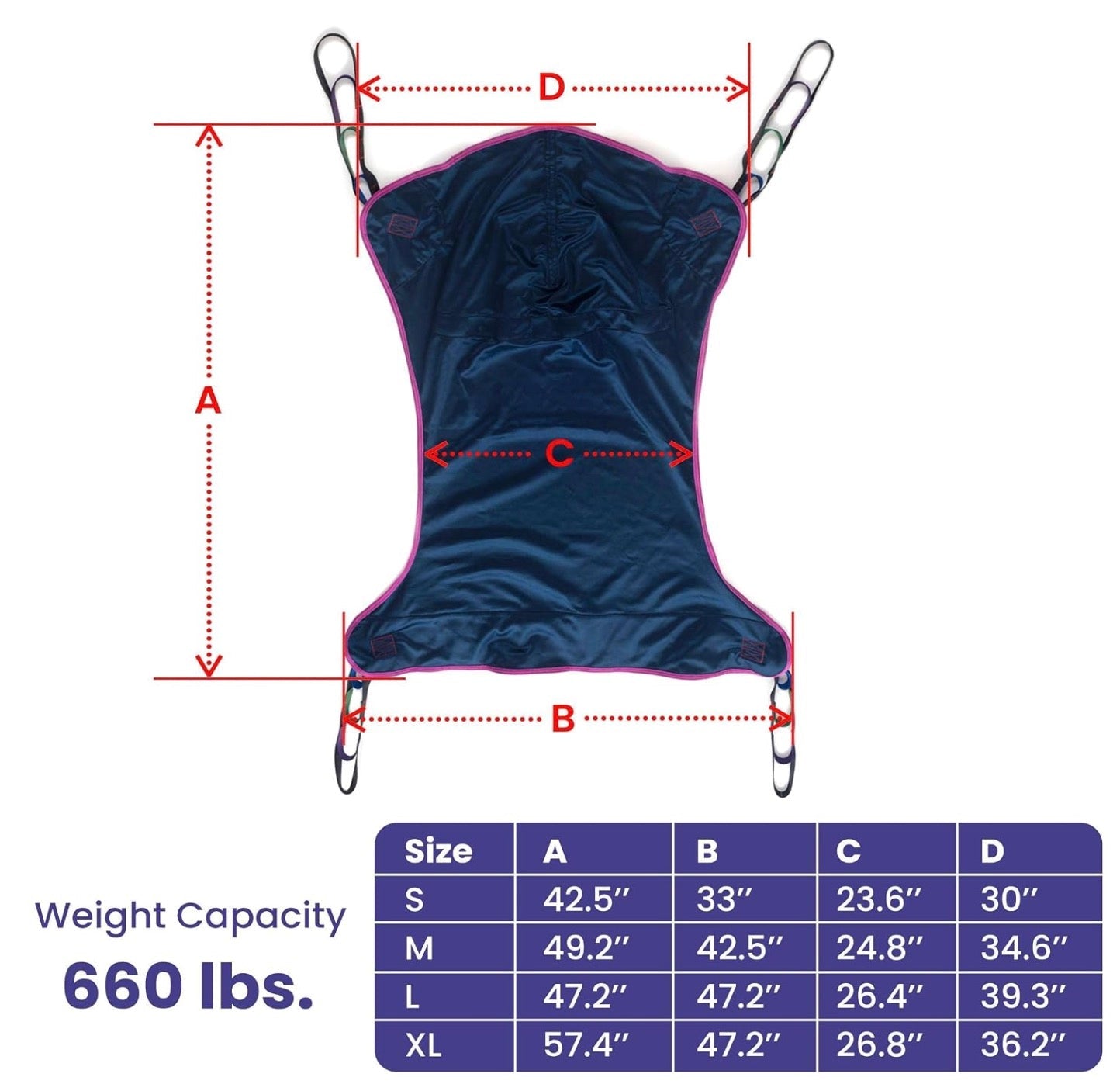
Start with weight capacity. Every patient lift sling has a rated limit, and you should match it to the heaviest person you'll realistically move, not the average. Overloading a sling is dangerous and it voids the warranty fast.
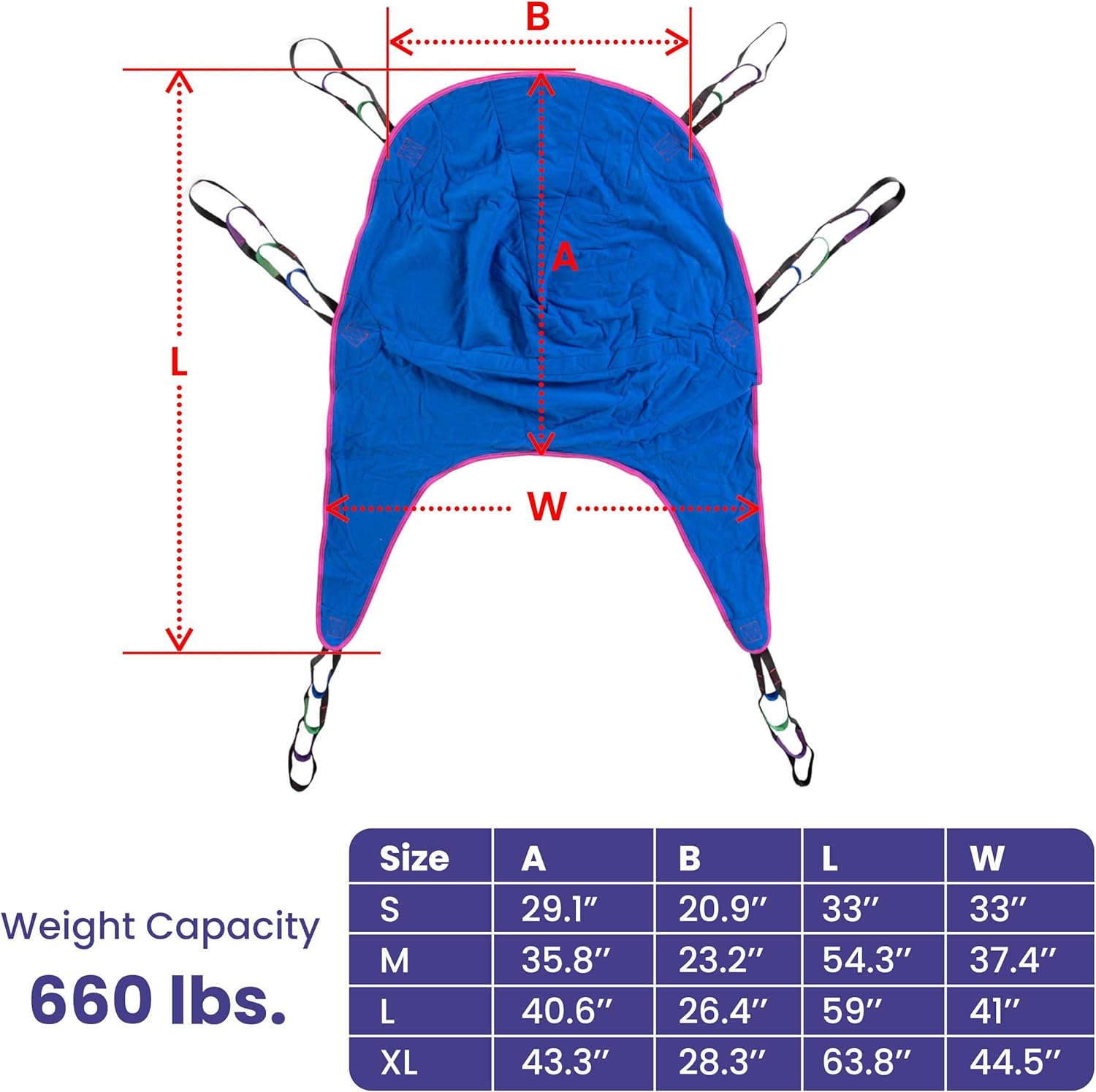
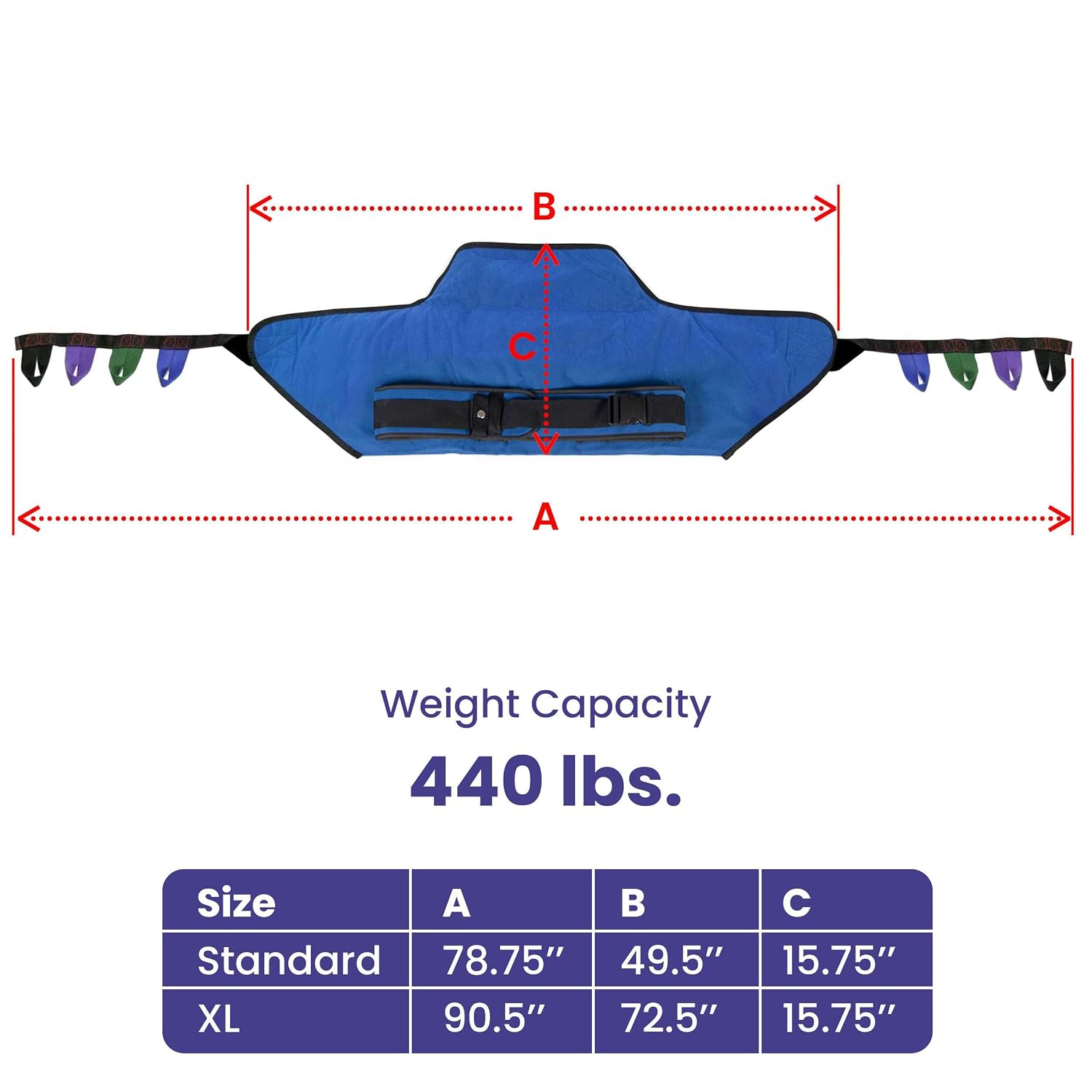
Size next. Slings run from small through bariatric, and a sling that's too big lets the patient slide while one that's too small digs in. Measure your patients or work from the manufacturer's sizing chart.
Check the attachment type against your existing lift. Loops give you height adjustment on the fly. Clips are quicker but less flexible. Then think about material based on use, mesh for bathing, padded for comfort, coated fabric for wipe-down cleaning.
Look for slings that meet recognized medical device standards and come with clear inspection guidance. Fabric slings should be checked before every use for fraying, and most facilities set a replacement schedule rather than waiting for something to fail. Skip the bargain-bin slings with no documentation. If the seller can't tell you the tested capacity, walk away. Browse the full Patient Lifts selection to match slings with the right lift.
Disposable vs. Reusable Patient Lift Slings
This is the choice most facilities wrestle with, so here's a straight answer.
Reusable slings cost more upfront but win on long-term value if you have a solid laundering setup and infection protocols to back it up. They're the right call for stable, long-term residents. Disposable or single-patient-use slings shine in hospitals and isolation situations where cross-contamination is a genuine risk. They're assigned to one patient, then discarded, which cuts laundry costs and infection worry.
Our recommendation? Match the sling to the resident. Use reusable padded slings where the same residents are transferred repeatedly. Buying only one type usually means you're overpaying somewhere or cutting a corner somewhere else. Scroll down to compare sizes and attachment styles and get the right sling on order.
Frequently Asked Questions
Q: How do I know what size patient lift sling to order? A: Size is based on the patient's weight and body dimensions, and every manufacturer publishes a sizing chart, so use it rather than guessing. When someone falls between two sizes, most clinicians size down slightly for support unless comfort during long holds is the priority. Ordering one of each in the common sizes is smart for facilities with varied patients.
Q: What's the difference between a full-body sling and a toileting sling? A: A full-body sling supports the head, back, and legs and is used for patients who can't sit up on their own. A toileting sling has an open seat design so caregivers can manage hygiene during a transfer, but it offers less overall support, so it's not right for every patient.
Q: Are patient lift slings right for home caregivers, or just facilities? A: They work in both settings. Family caregivers moving a loved one benefit from the same safe-transfer design that hospitals use, though home users usually need only one or two slings for the daily routine. The key is matching the sling to your home lift's attachment type before you buy.
Q: How often should a patient lift sling be replaced? A: There's no universal expiration date, but reusable slings should be inspected before every single use for fraying, stretched loops, or weakened fabric, and pulled from service the moment anything looks off. Most facilities set a replacement schedule based on usage volume rather than waiting for visible failure, since a sling that fails mid-lift is a serious safety event.