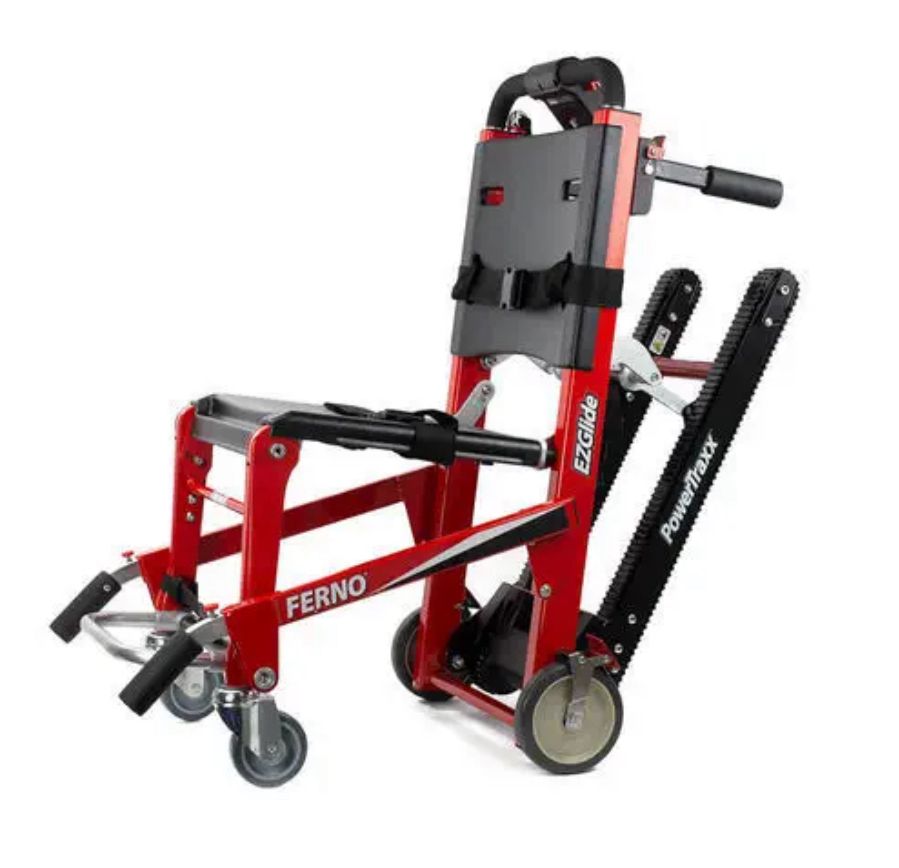
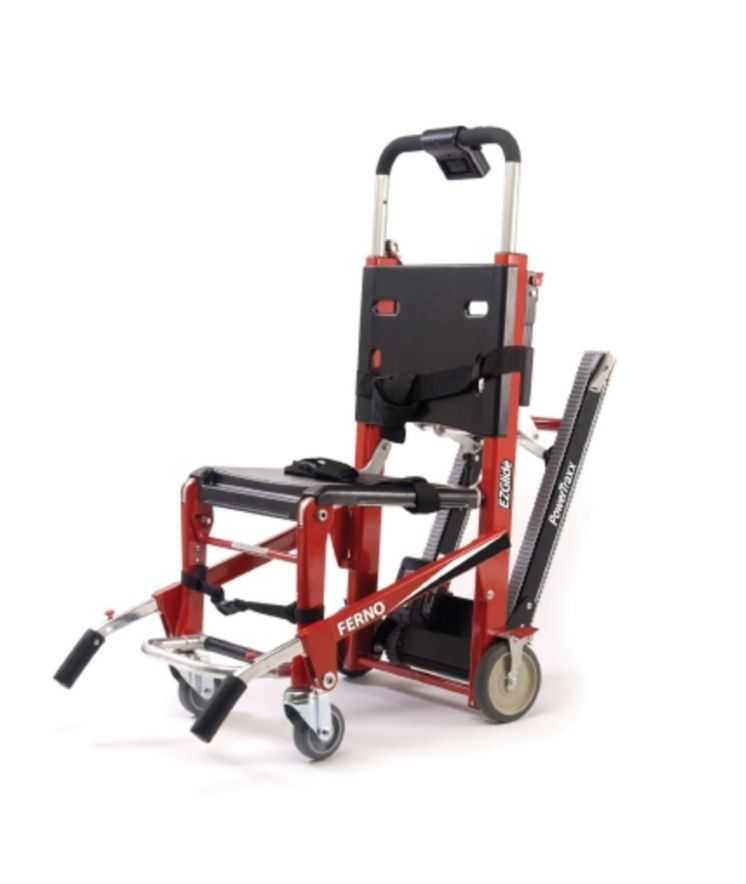
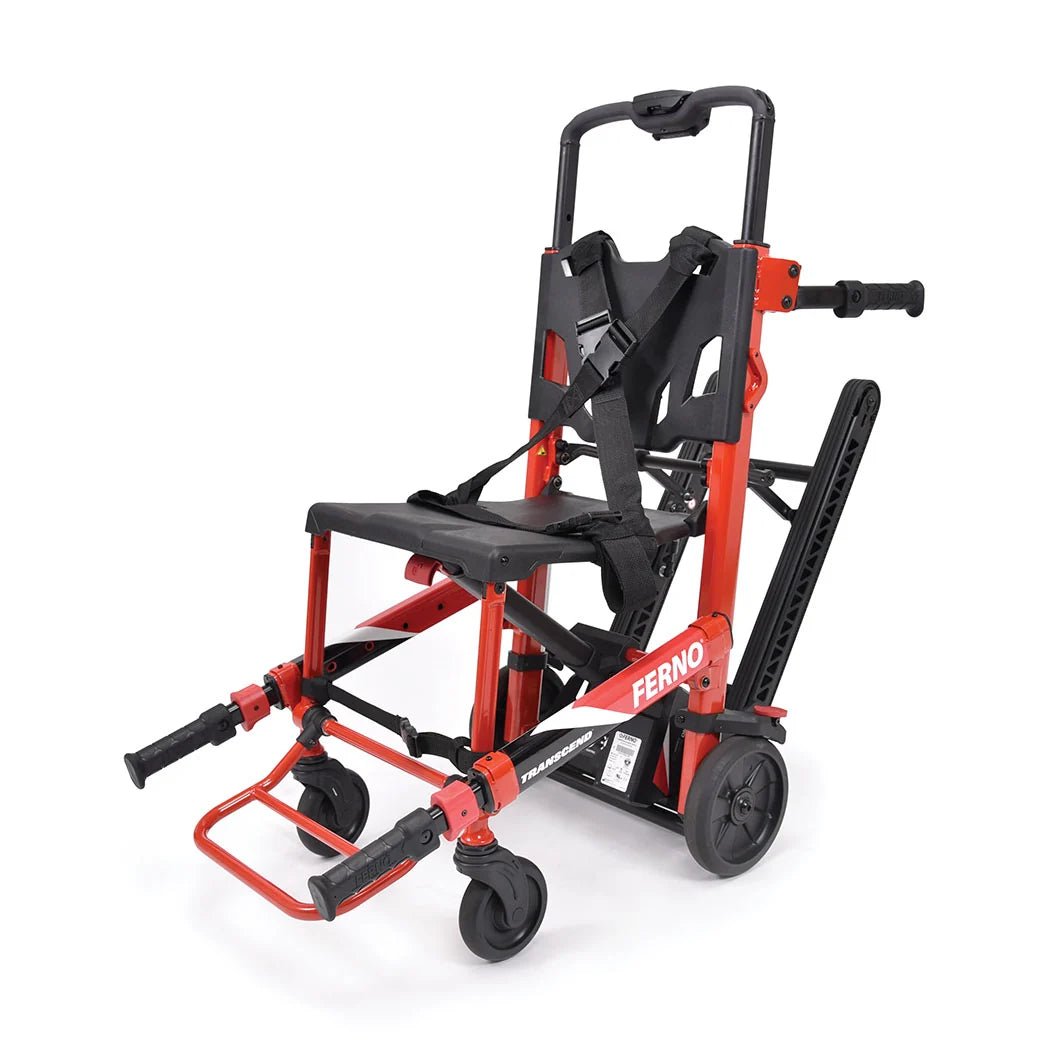
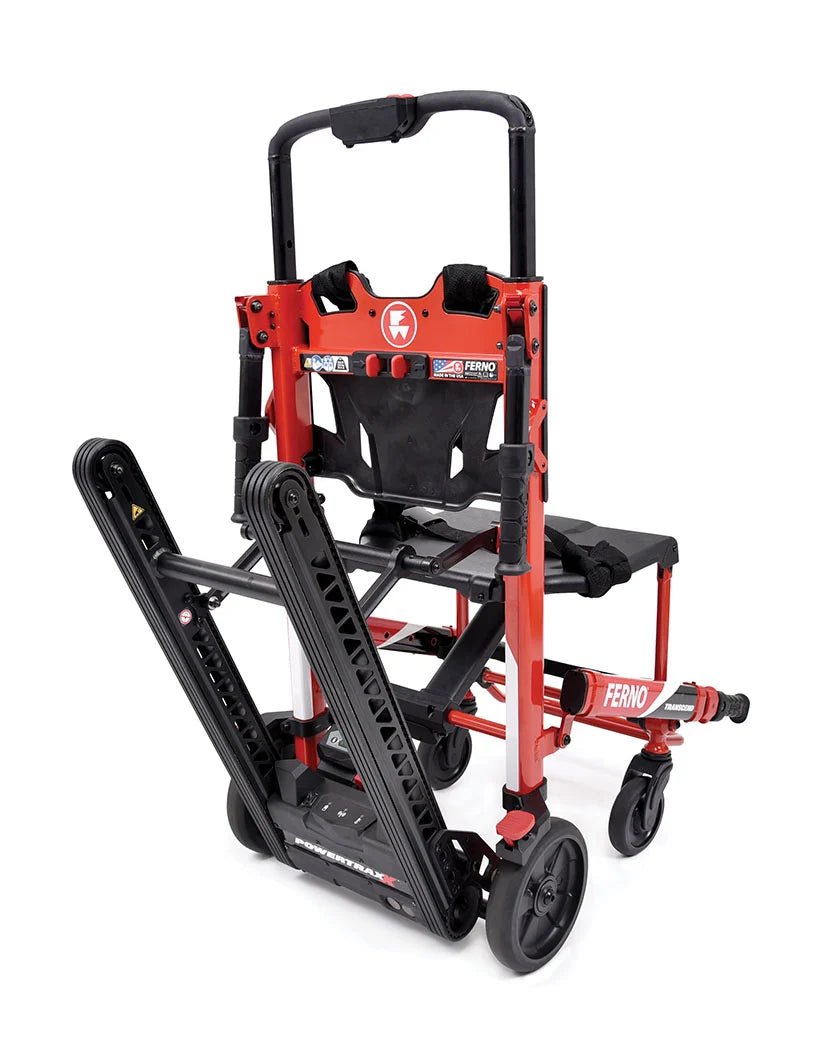
A motorized stair chair takes the muscle out of moving a patient down a stairwell, which is exactly why so many EMS crews and hospital transport teams are switching to them. These are the powered, track-driven chairs that grip the stairs and ease a patient down one step at a time. No dead-lifting. No two-person carry down a tight apartment staircase. If you've ever felt your lower back complain halfway down a flight of stairs with a full load, you already understand the appeal.
Why a Motorized Stair Chair Beats a Manual Carry
The whole point of a motorized stair chair is reducing the physical strain on your crew. Manual stair chairs still work, and plenty of agencies run them just fine. But they put the weight of the patient on your responders every single time.
A powered track system changes that. The tracks do the descending, the operator does the steering. That means fewer back injuries over a career, and it means a single trained operator can often manage a controlled descent that used to take real effort from two people. Crews with aging staff or high call volumes notice the difference fast.
What a Powered Track Stair Chair Gives You
Every motorized chair on this page is a powered, track-driven model.
Track-driven models roll down on continuous rubber tracks, and they tend to feel the most controlled on longer, steeper staircases. They reduce strain compared to a plain manual chair.
The right pick depends on your typical calls. If you're running lots of narrow residential stairs, a compact tracked motorized stair chair usually earns its keep. Brands like Stryker and Ferno are the names most buyers already know, and you can browse those lines at Stryker Stair Chairs and Ferno.
Who Buys a Motorized Stair Chair
EMS agencies are the biggest buyers, and for good reason. High call volume plus stairwells plus finite staff equals real injury risk, so a motorized stair chair pays back in fewer workers' comp claims.
Hospitals and long-term care facilities use them too, mostly for evacuations and moving non-ambulatory patients between floors when elevators aren't an option. Fire departments keep them staged for high-rise response. First aid squads and volunteer rescue units like them because they let a smaller crew do more.
Bariatric transport is its own conversation. If you regularly move heavier patients, don't guess on capacity. Match the chair to your actual patient population, not the average one.
What to Look For When You Buy
Start with weight capacity, and be honest about it. The listed rating should comfortably clear your heaviest realistic transport, not sit right at the edge.
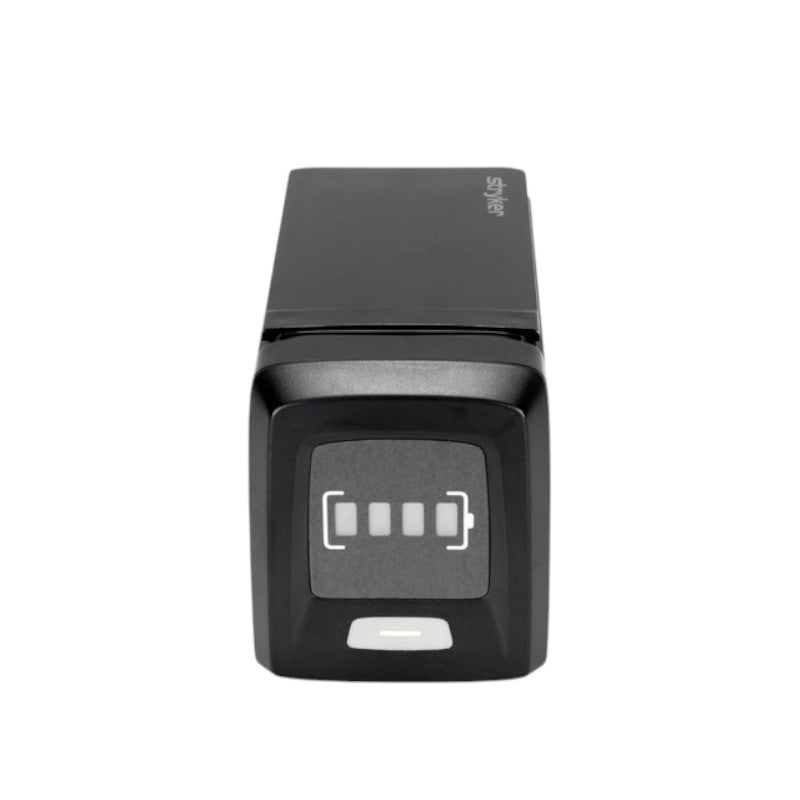
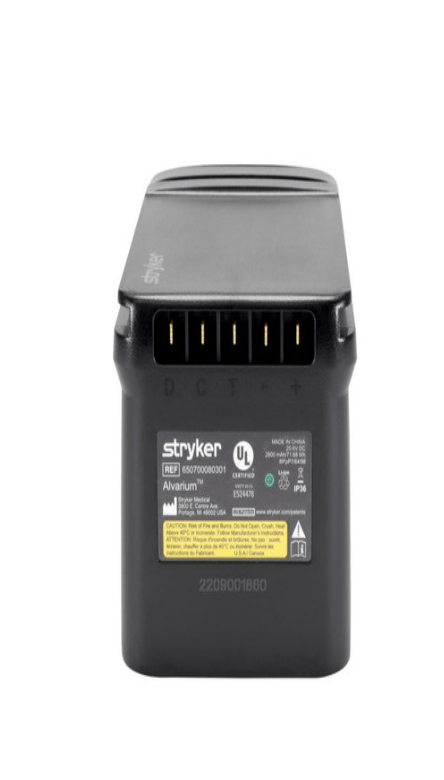
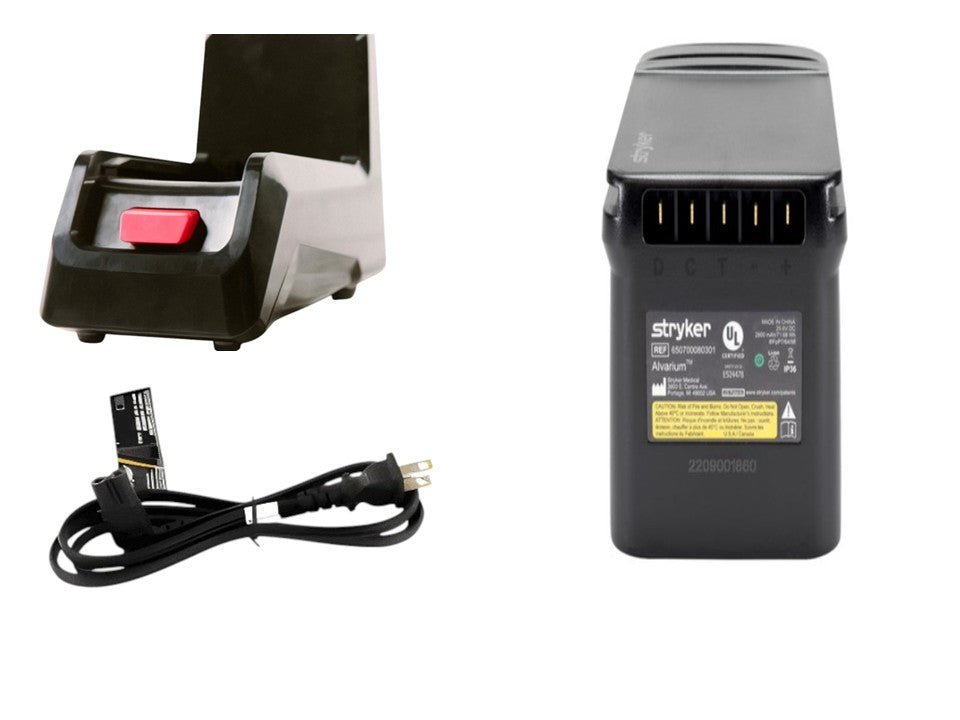
Track quality matters more than people think. Cheap tracks wear, slip, and get expensive to replace, so factor in the cost of spare tracks and batteries as consumables over the life of the chair. Battery run-time and charge behavior are worth asking about before you commit.
Then there's fit and storage. Measure your ambulance mount and your tightest stairwell before ordering. A chair that won't fold into your rig is a chair that stays in the station. For broader transport gear, our Patient Transport Equipment collection sits alongside the full Stryker lineup, and you can round out a rig with cots from Ambulance Stretchers.
New vs Refurbished: Which Makes Sense
Buying new gets you the latest track design, full service life, and the simplest support path. If budget is tight and you still want a powered chair, a well-refurbished unit can be a smart middle ground.
Here's my honest take: for a chair that's carrying human weight down stairs, don't cut corners on the tracks or the drive system regardless of new or refurb. Spend where the safety lives. If a refurbished motorized stair chair has been properly serviced and the tracks are sound, it can serve a busy agency for years. Look through what's in stock and compare condition against price before you decide.
FAQ
Q: Is a motorized stair chair worth the extra cost over a manual one? A: For most high-volume EMS and hospital teams, yes. The reduction in lifting strain and back injuries usually justifies the price over a few seasons of hard use. Lower-volume squads with mostly single-story calls may not need one.
Q: What brands make motorized or powered stair chairs? A: Stryker and Ferno are the two names most professional buyers recognize in powered patient handling. You can browse those lines directly, and both offer tracked evacuation-style chairs designed for repeated stairwell use.
Q: Who should be operating a powered stair chair? A: They're intended for trained EMS crews, hospital transport staff, fire personnel, and rescue teams. Any operator should be checked out on the specific model, since track speed and steering behavior vary between chairs.
Q: What drives the price difference between models? A: Weight capacity, track design, battery system, and build quality are the big factors. A heavier-rated bariatric chair with premium tracks costs more than an entry-level unit, and refurbished condition can shift pricing too. Match the spec to your real caseload rather than paying for capacity you'll never use.