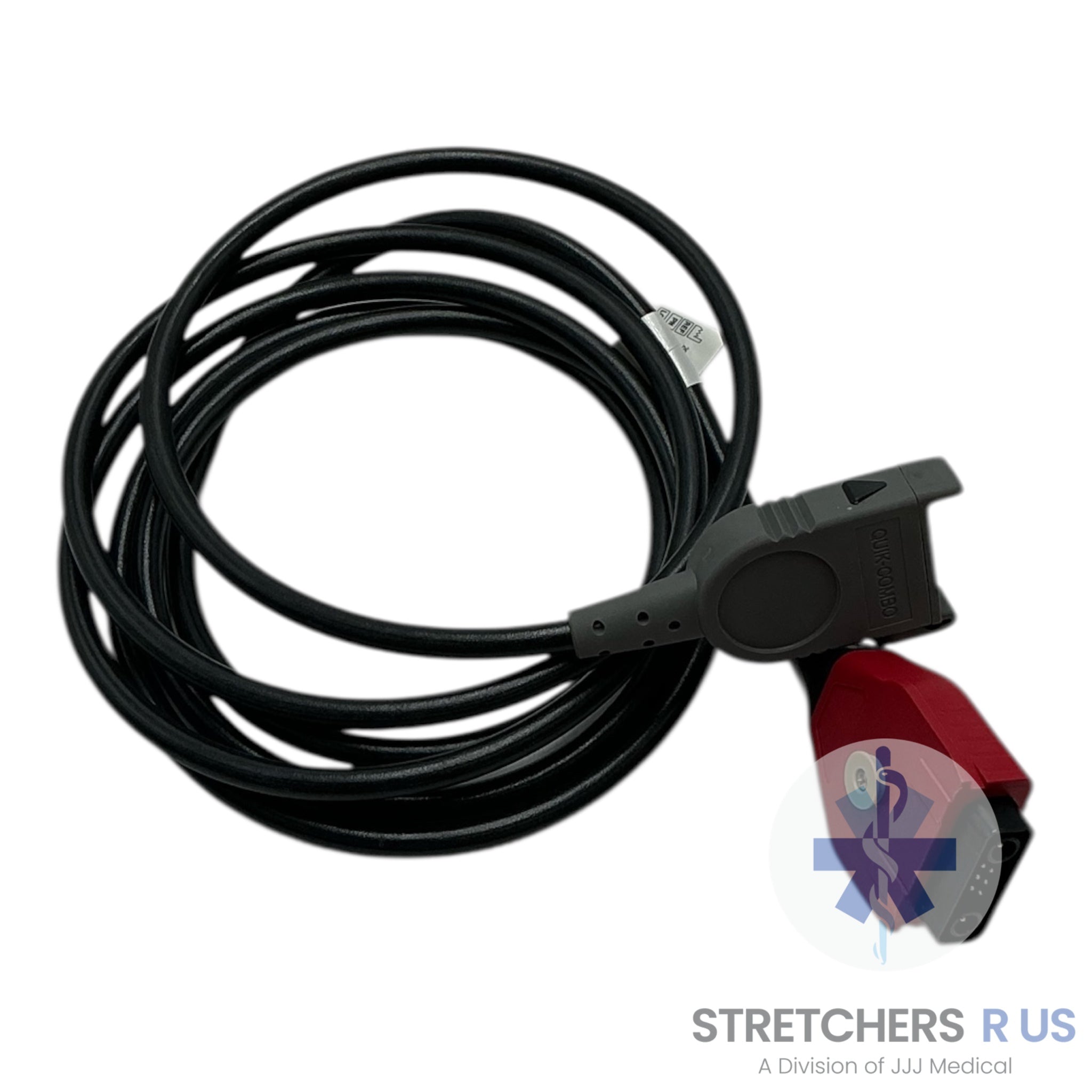
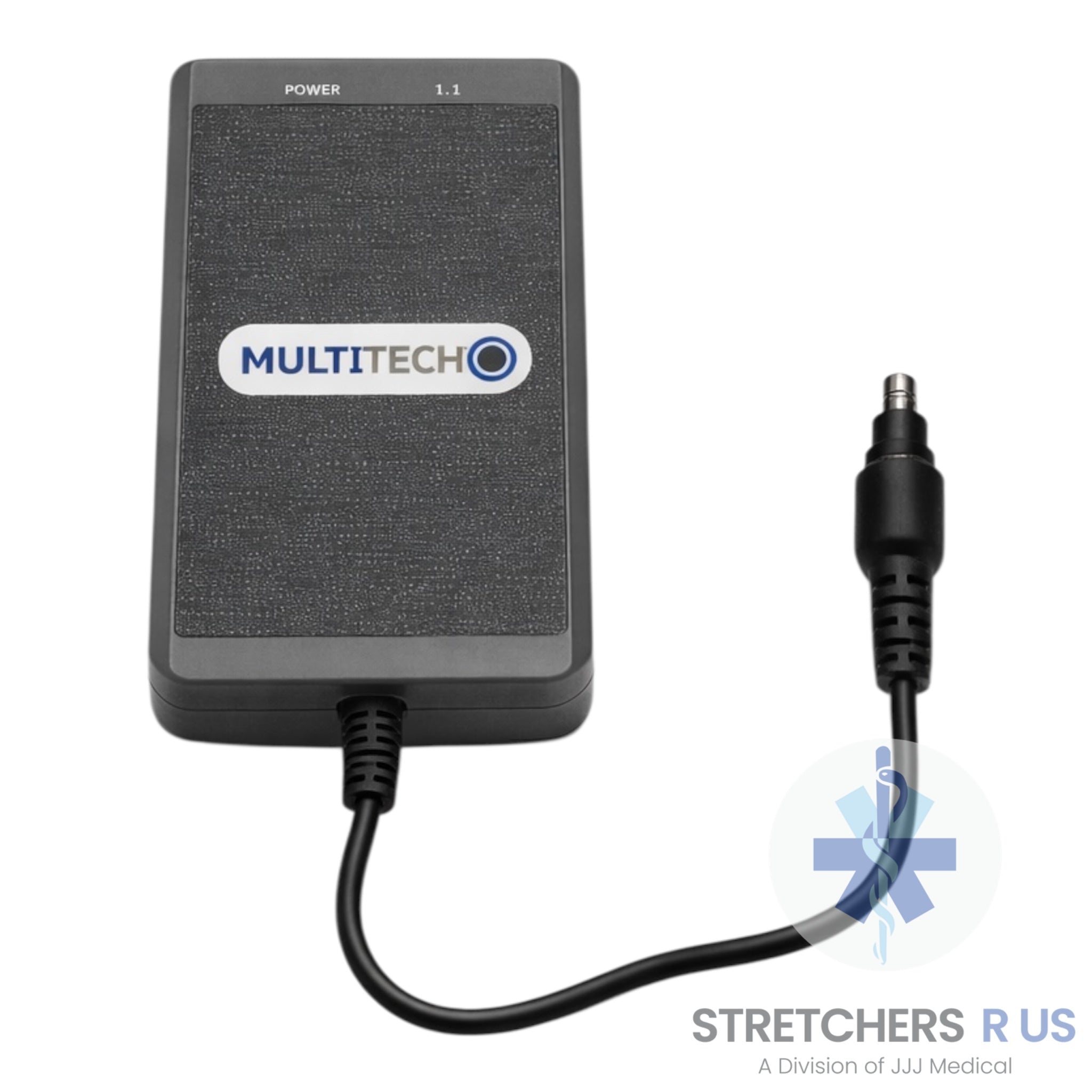
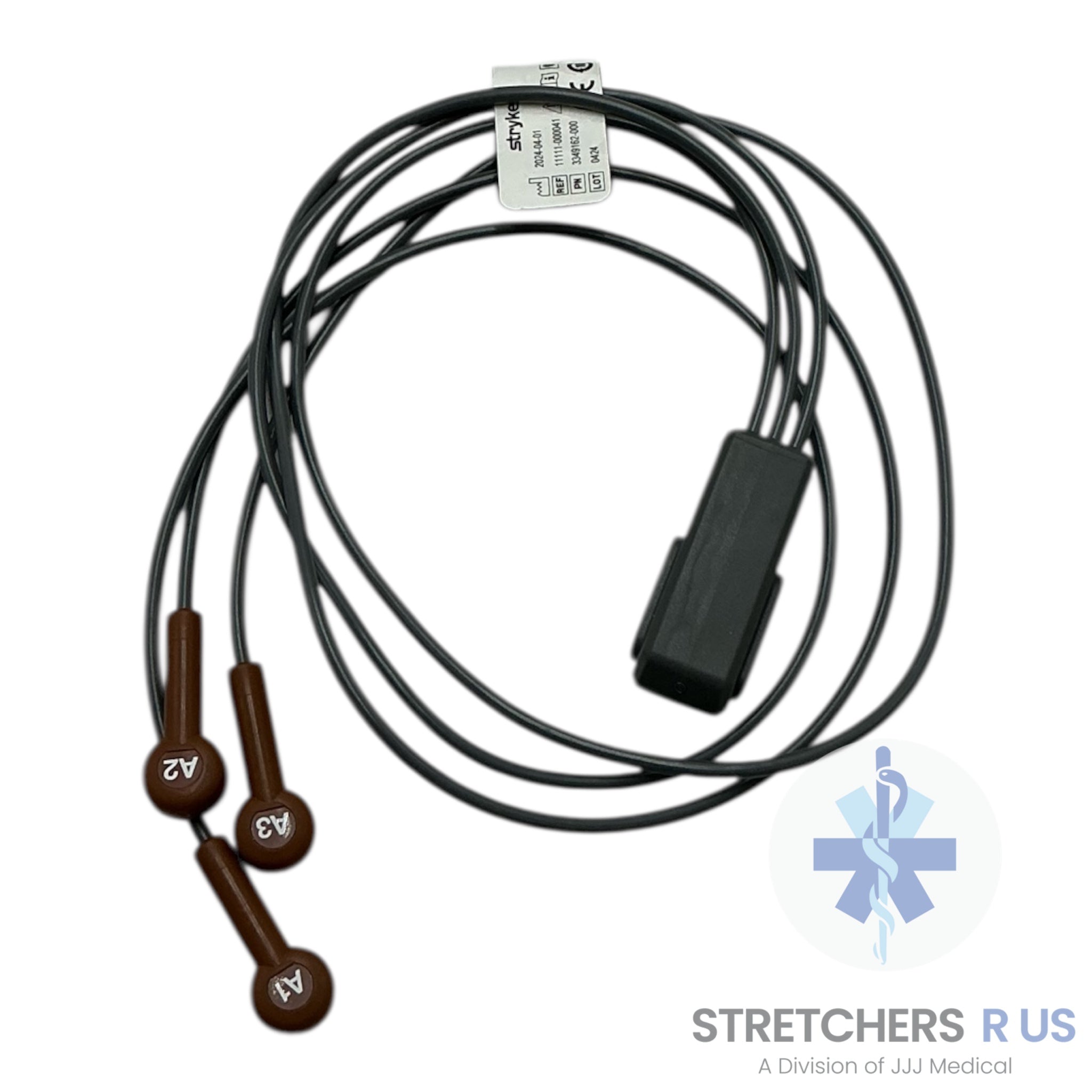
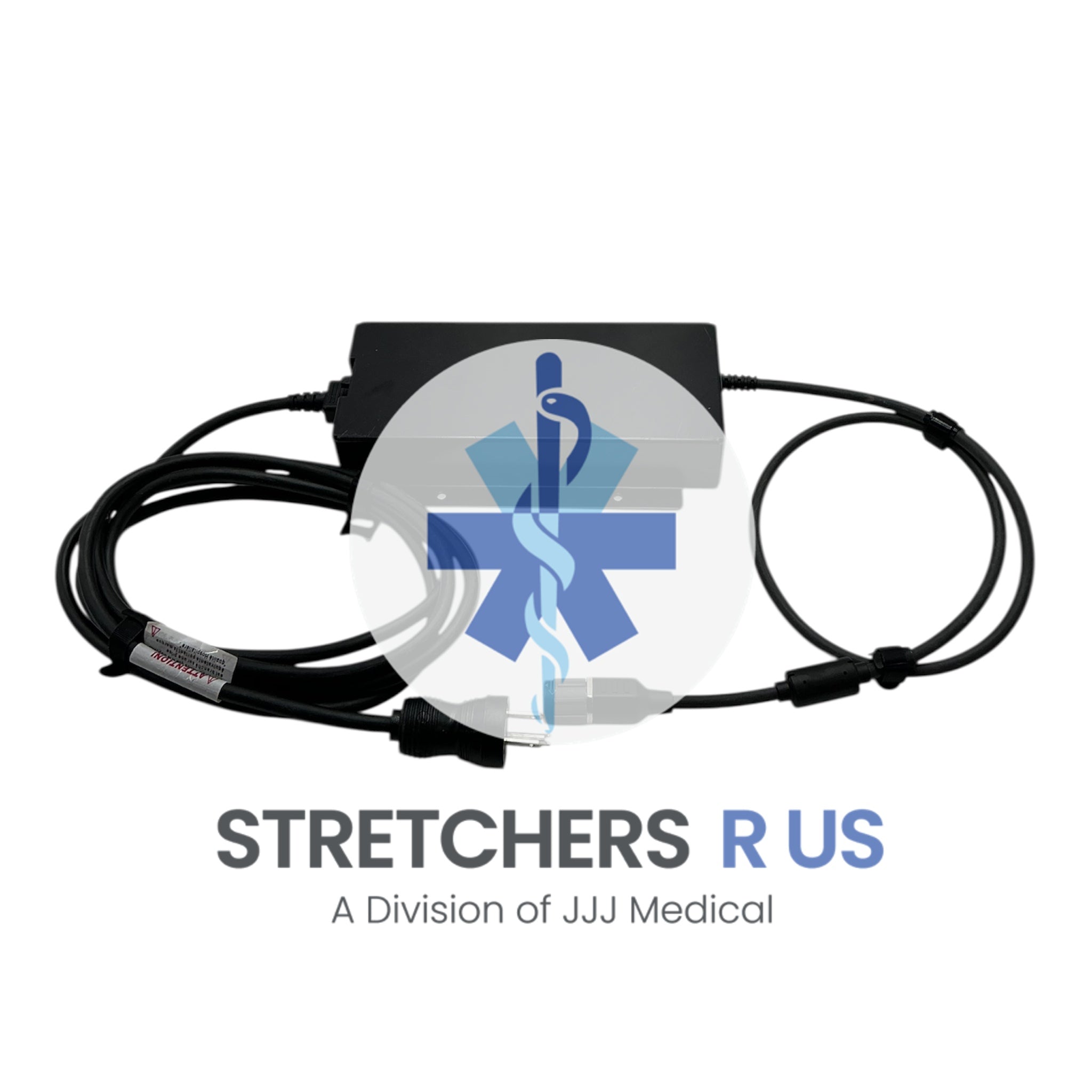
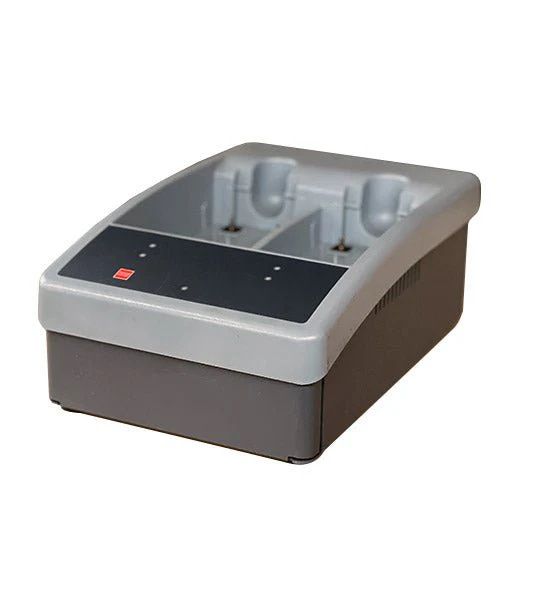
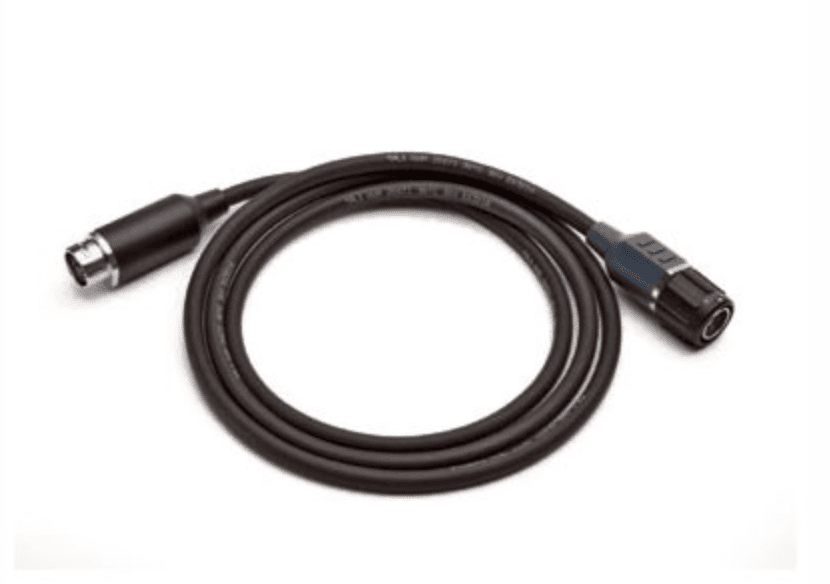
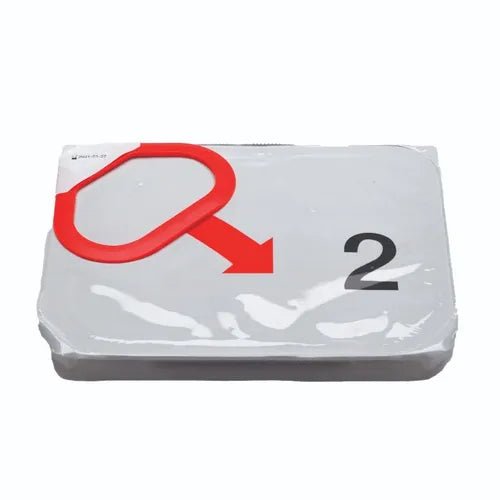
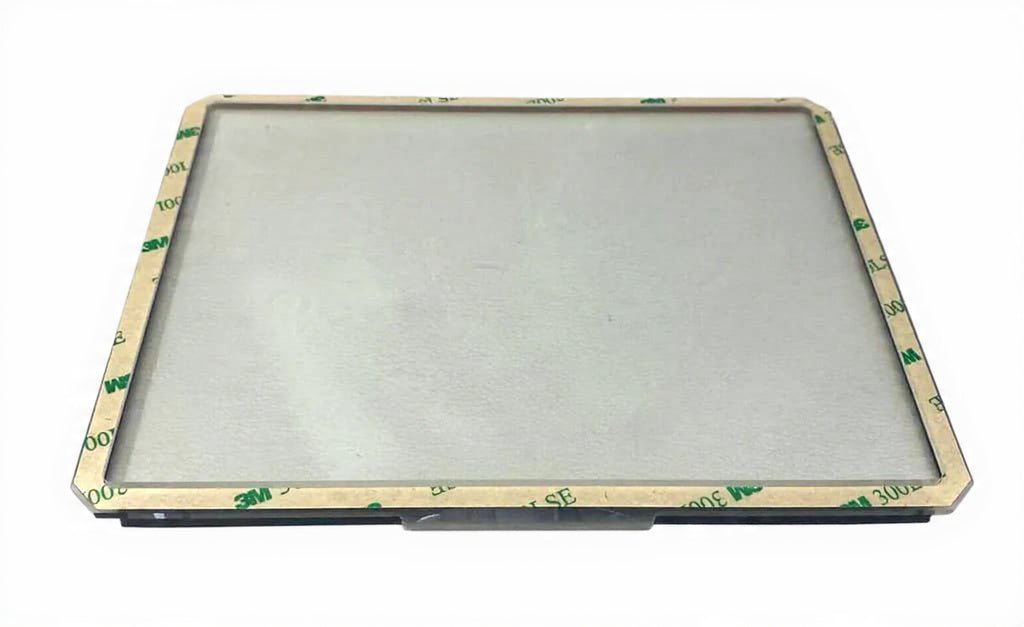
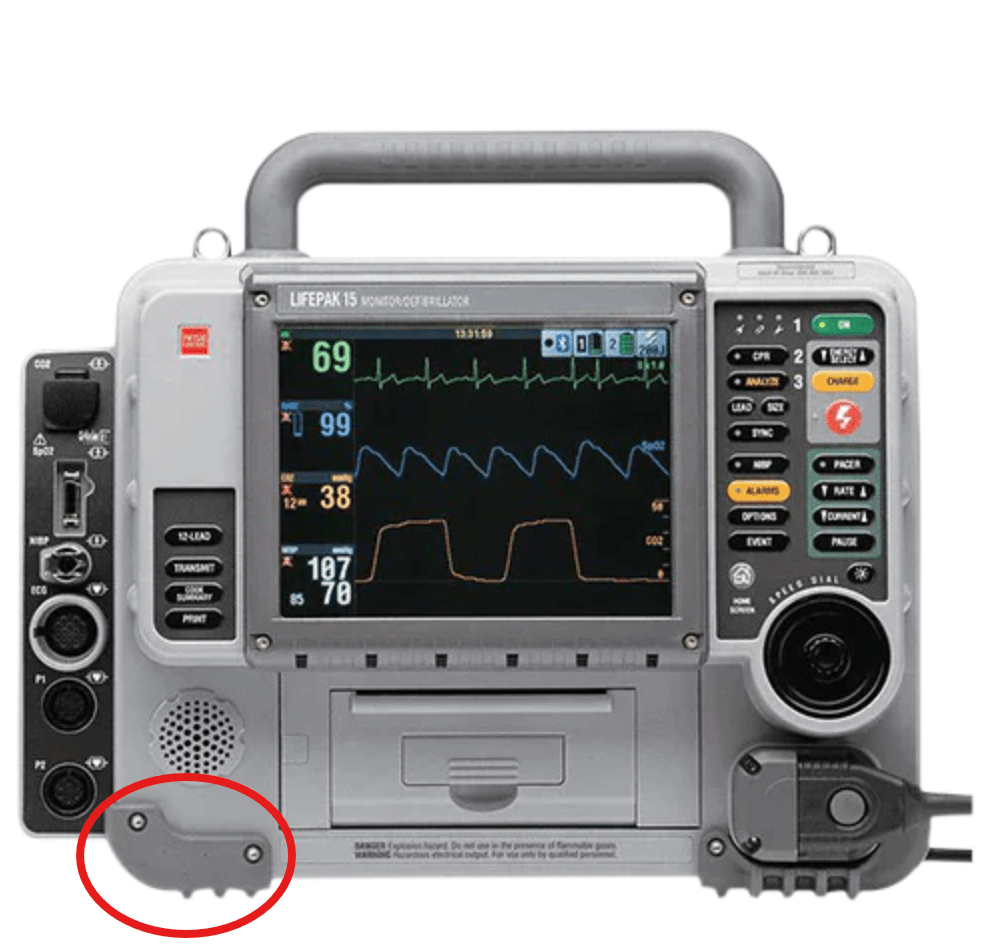
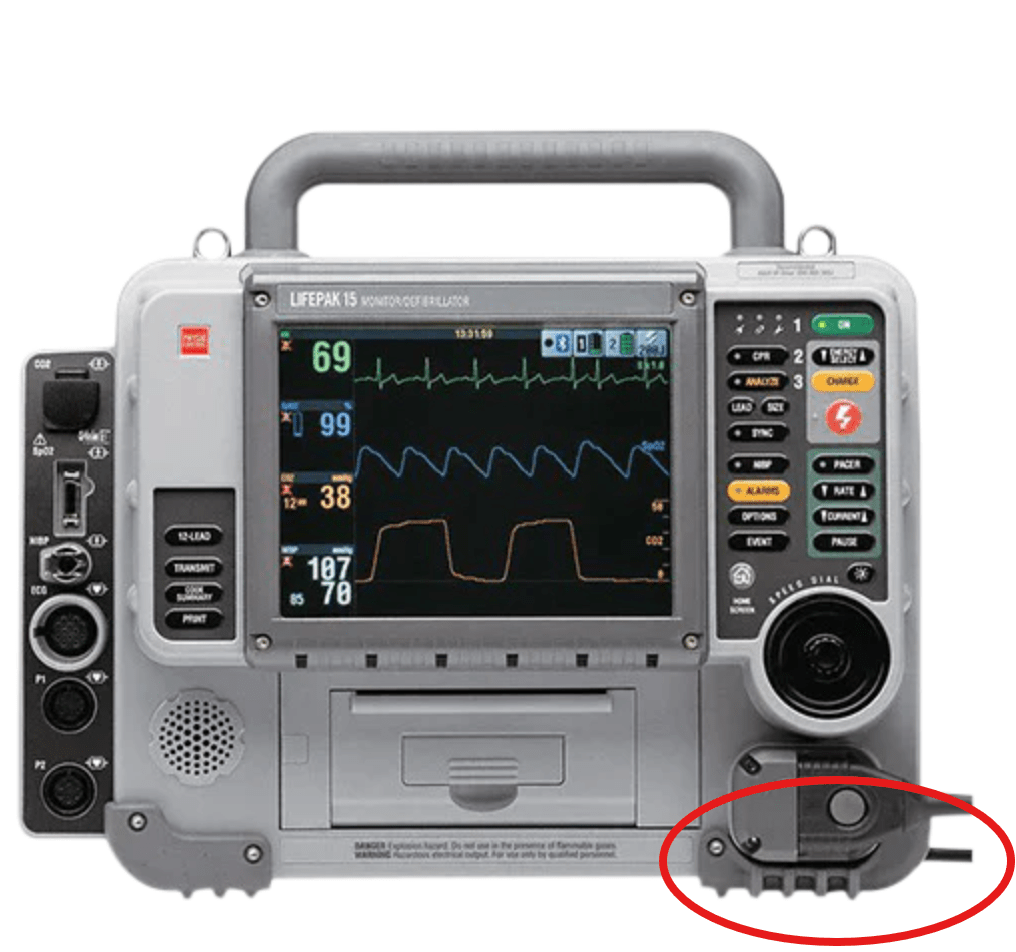
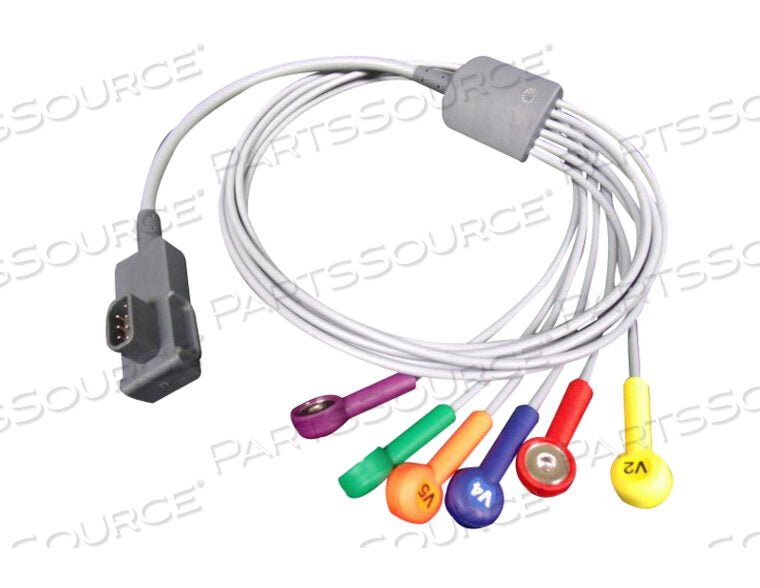
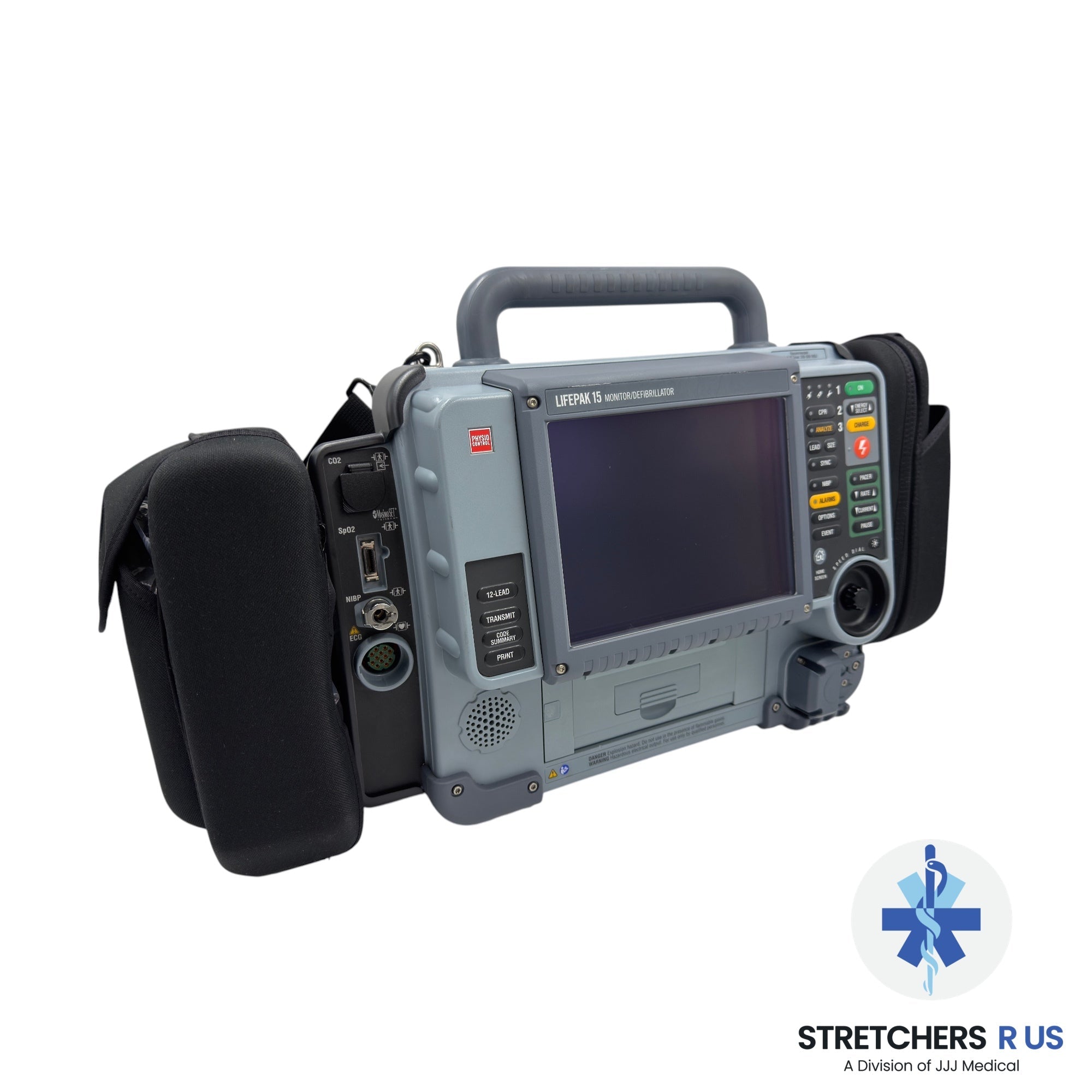
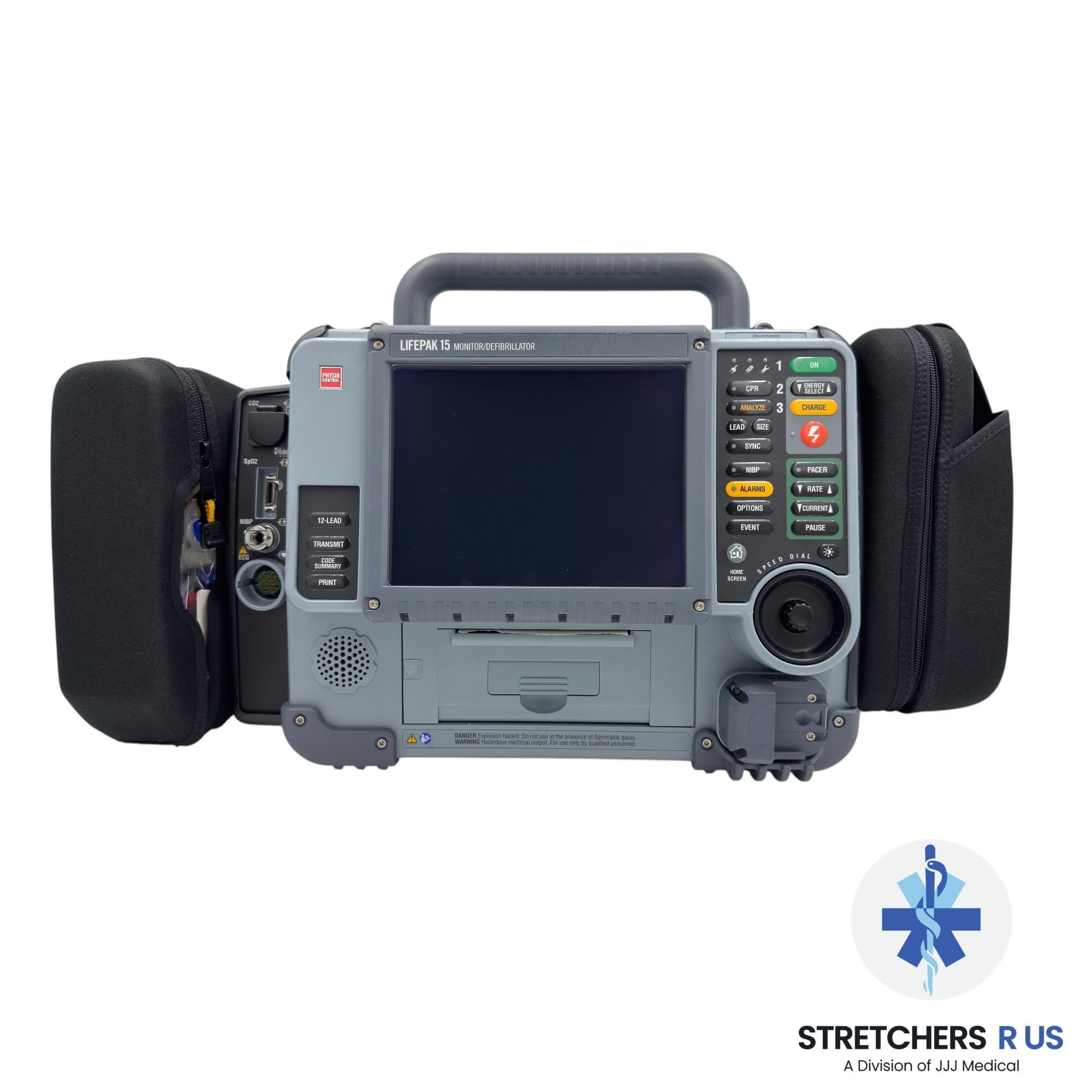
LIFEPAK gear has been a fixture in ambulances, ERs and first aid squad bays for decades, and there's a reason crews keep asking for it by name. It's built for the field. We stock refurbished LIFEPAK defibrillators and monitors from Physio-Control, along with the new cables, pads and accessories that keep them ready when a call comes in.
Why Crews Trust LIFEPAK for Cardiac Care
Ask any medic what they trained on and a LIFEPAK unit comes up more often than not. The screens are readable in daylight, the buttons make sense under stress, and the whole thing is designed to take abuse in the back of a moving truck.
That reputation matters when you're outfitting a rig. You want equipment your people already know how to run, not something they have to fumble with at 3 a.m. LIFEPAK checks that box for most agencies.
LIFEPAK Product Families and What They're For
Physio-Control builds LIFEPAK gear across a few tiers, and the right one depends on who's using it and where.
Public-access and basic responder units are meant for schools, gyms, offices and lobbies. They walk a lay rescuer through the process with voice prompts. Then you've got the advanced monitor/defibrillators built for ALS providers, the ones with 12-lead ECG, capnography and manual override for paramedics who need full control.
Most buyers shopping "LIFEPAK" fall into one of those two camps: someone who needs a grab-and-go AED, or an agency spec'ing a full cardiac monitor. Figure out which you are before you compare models. You'll browse more of these on our Defibrillators collection.
Who Buys LIFEPAK Equipment
Hospitals order LIFEPAK monitors for transport teams and code carts where continuous monitoring matters.
EMS agencies and fire departments lean on the advanced units because their crews run ALS calls and need 12-lead and manual mode. First aid squads and volunteer rescue teams usually land somewhere in the middle, often a semi-automatic unit that a mixed-skill crew can operate safely.
And plenty of non-clinical buyers come looking too. Schools, factories, and municipal buildings want a straightforward AED they can mount on a wall and forget about (until they can't). If that's you, skip the paramedic-grade monitor. You'd be paying for features nobody on site is trained to use.
What to Look for When Buying a LIFEPAK
Start with the mode. Semi-automatic units analyze and prompt; manual units hand control to a trained provider. Buy for the skill level of the people actually holding the device.
Check the consumables next. Electrode pads and batteries expire, and replacing them is a recurring cost most first-time buyers forget to budget for. Ask what's included and what the pads run before you commit.
New versus refurbished is a real decision here. A properly reconditioned LIFEPAK can save you serious money, and for many squads that's the difference between one unit and three. We pair defibrillators with the Medical Devices and monitoring accessories you'll need, and you can round out a rig with Patient Transport Equipment and Ambulance Stretchers while you're here. If you also run ZOLL, compare options on our ZOLL collection.
LIFEPAK AED vs. Advanced Monitor: Which One?
Here's the honest breakdown. An AED-style LIFEPAK is for rescue by people who aren't full-time clinicians. It does one job well and doesn't ask much of the operator.
An advanced monitor/defibrillator is a different animal. It's for paramedics who need 12-lead ECG, waveform capnography, pacing and manual defibrillation on the same unit. It costs more and demands trained hands.
My recommendation: match the device to your protocols, not your wishlist. If your crew runs ALS, get the monitor. If they don't, a semi-automatic LIFEPAK AED does the job for a fraction of the price. Overbuying is the most common mistake I see agencies make. Take a look at what's in stock and spec the rig you actually run.
LIFEPAK FAQ
Q: What's the difference between a LIFEPAK AED and a LIFEPAK monitor? A: An AED is a semi-automatic unit designed for basic responders, with voice prompts that guide the rescue. A LIFEPAK monitor is an advanced device built for paramedics, adding 12-lead ECG, capnography and manual defibrillation. Buy based on your crew's training level.
Q: Do you carry refurbished LIFEPAK units? A: Yes, we stock refurbished and recertified Physio-Control LIFEPAK monitors and defibrillators, along with new parts, cables and accessories. Refurbished units are a common way for squads and departments to stretch a budget without giving up a trusted platform. Reach out for current availability on the model you need.
Q: Who typically buys LIFEPAK equipment? A: Hospitals, EMS agencies, fire departments and first aid squads are the core buyers, usually spec'ing advanced monitors for ALS work. Schools, gyms and workplaces buy the simpler AED-style units for public-access rescue where lay responders operate the device.
Q: Are replacement pads and batteries expensive? A: Electrode pads and batteries are consumables that expire and need periodic replacement, so budget for them as an ongoing cost, not a one-time purchase. Prices vary by model and pad type. Ask us what's compatible with your unit before you order.